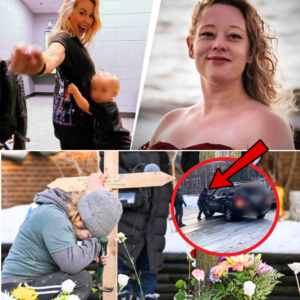
On a frigid January morning in Minneapolis, in a quiet residential neighborhood still dusted with fresh snow, a routine day turned into an unthinkable nightmare. Renee Nicole Good, a 37-year-old mother of three, poet, and recent transplant to the city, was fatally shot by an Immigration and Customs Enforcement (ICE) agent during a federal operation. What began as a targeted immigration enforcement action spiraled into a deadly confrontation, leaving a woman dead, a family shattered, and a community reeling in grief and fury.
Members of the Minneapolis community, along with local officials and Good’s own mother, quickly identified her as the victim, rejecting the anonymity that often shrouds such incidents. “She was an amazing human being,” her mother, Donna Ganger, told reporters through tears. Good, originally from Colorado, had moved to Minnesota seeking a fresh start. Described by those who knew her as compassionate, giving, and deeply involved in helping her neighbors, she was out that morning “caring for her neighbors,” according to statements from city officials. In a city known for its progressive values and tight-knit communities, her death has ignited a firestorm of protests, political recriminations, and soul-searching about the role of federal immigration enforcement in local neighborhoods.
The incident occurred on January 7, 2026, in south Minneapolis, on a snowy street just blocks from where Good lived—and eerily close to the site where George Floyd was killed in 2020, a location that still evokes raw memories of police violence and racial injustice. ICE agents were conducting what the Department of Homeland Security (DHS) described as part of a broader “immigration surge” under the current administration. Federal officials claimed the operation targeted specific individuals, but Good, a U.S. citizen with no apparent connection to the raid, became entangled in the chaos.
Eyewitness accounts and video footage paint a harrowing picture. Cellphone videos circulating widely show unmarked vehicles blocking the street as armed agents in tactical gear approached cars. Good, driving her SUV, appeared to attempt to maneuver around the blockade—perhaps in confusion or fear. According to ICE’s initial statement, she accelerated toward agents, prompting one officer to fire in self-defense, shooting her through the car window. The bullet struck her in the head, and despite rapid response from Minneapolis firefighters who rushed her to Hennepin County Medical Center, she was pronounced dead shortly after.
But local leaders vehemently dispute this narrative. Minneapolis Mayor Jacob Frey called the shooting “reckless” and accused federal agents of escalating a non-threatening situation. “There was no evidence that the victim was the intended target or posed any imminent threat,” Frey stated in a press conference, echoing Police Chief Brian O’Hara’s assessment. Governor Tim Walz went further, disputing claims that Good tried to run over agents, and even prepared the National Guard amid fears of escalating protests. “This was not self-defense; this was a tragic overreach,” Walz declared, urging peaceful demonstrations while condemning the federal actions.
 The contrasting accounts have fueled outrage. Video analysis by journalists and independent verifiers suggests Good was slowly trying to turn around when shots were fired. One eyewitness described a “state of terror and fear” as agents swarmed the area without clear identification, shouting commands in a scene reminiscent of militarized raids. “She was just trying to get out of there,” a neighbor told ABC News. Another video captures the heartbreaking aftermath: family members screaming as Good slumped lifeless in her vehicle.
Renee Nicole Good was more than a statistic in a federal operation gone wrong. Born in Colorado, she was a woman who poured her soul into poetry, often sharing verses about resilience, motherhood, and the beauty in everyday struggles. Friends remember her as a devoted mother to her three children, ages ranging from toddlers to teens, who relocated to Minneapolis for better opportunities and community support. “Renee was the kind of person who would drop everything to help someone,” said a close friend in a vigil held the evening after her death. “She was building a new life here, full of hope.”
Her poetry, shared on local open-mic nights and social media, spoke of overcoming hardships—themes that now resonate painfully in light of her untimely end. One poem, read aloud at a memorial, described “roots digging deep in frozen soil, blooming against the wind.” Attendees wept as they placed flowers, candles, and handwritten notes at a growing shrine near the shooting site. State Representative Leigh Finke called her “a cherished Minnesotan,” highlighting how quickly Good had woven herself into the fabric of the community despite being new to the city.
The shooting has thrust Minneapolis back into the national spotlight, drawing uncomfortable parallels to past tragedies. Less than a mile from the intersection where George Floyd’s death sparked global protests against police brutality, this incident raises fresh questions about accountability, federal overreach, and the human cost of immigration policy. Protests erupted almost immediately, with hundreds gathering outside the ICE field office, chanting “No justice, no peace” and “ICE out of Minneapolis.” Clashes with federal agents, including the use of chemical irritants, only intensified the tension. By the next day, demonstrations spread, with solidarity rallies in cities like Portland and Chicago.
Politically, the fallout is explosive. DHS Secretary Kristi Noem defended the agents, framing the operation as necessary to combat what she called “domestic threats” tied to immigration. Critics accused her of inflammatory rhetoric, especially as details emerged that Good was not the target and had no criminal record related to immigration. Minneapolis City Council members issued a joint statement demanding a full investigation and justice for Good, labeling her death “an execution at the hands of the federal government.”

The FBI has taken over the investigation, a move welcomed by some but viewed skeptically by activists who demand an independent probe. Body camera footage, if any exists, has not been released, and questions swirl about why unmarked vehicles were used in a residential area without coordination with local police—a violation of past agreements in sanctuary cities like Minneapolis.
As the community mourns, stories of Good’s kindness flood social media and local news. One neighbor recounted how she shoveled sidewalks for elderly residents during snowstorms. Another spoke of her volunteering at food shelves, always with a warm smile and encouraging word. Her children, now orphaned of their mother, are being cared for by relatives, who have set up a fund for their future. “She lived for them,” her mother said. “This shouldn’t have happened to her.”
This tragedy underscores deeper fissures in American society. In an era of heightened immigration enforcement, incidents like this highlight the risks when federal operations intersect with everyday civilian life. Good, an American citizen caught in the crossfire, embodies the unintended consequences that critics warn about: escalation, fear, and loss of life. Supporters of strict enforcement argue agents face split-second decisions in dangerous situations, but detractors point to de-escalation training and community policing as alternatives.
Days after the shooting, the memorial grows. Balloons in her favorite colors—soft blues and purples—bob in the winter wind. Poems are pinned to a makeshift board, echoing her own words. Protesters vow to keep her name alive, turning grief into action for reform. Calls for defunding or abolishing ICE resurface, alongside demands for transparency and civilian oversight of federal raids.
Renee Nicole Good was just 37. She had dreams, a family, a voice through her poetry that touched hearts. In death, her story forces a reckoning: How many more lives must be lost before change comes? As Minneapolis braces for more protests and a long investigation, one thing is clear—the community will not forget her. Her light, though extinguished too soon, illuminates the urgent need for justice, compassion, and humanity in enforcement.
In the words of one vigil speaker: “Renee was out caring for her neighbors that morning. Now, we must care for each other—and fight for a world where this never happens again.”