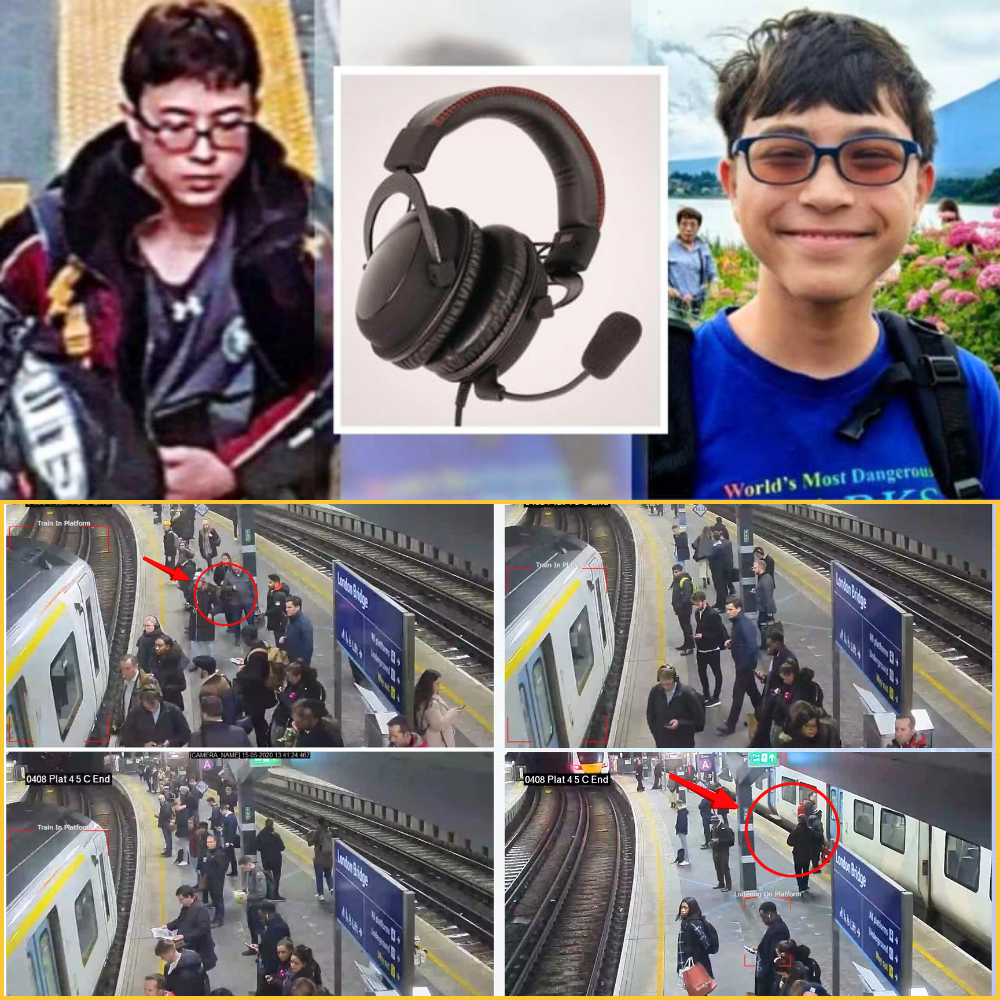
The disappearance of 15-year-old Thomas Medlin has gripped Long Island and New York City with a chilling mix of mystery, heartbreak, and unanswered questions. What began as a routine school day at the elite Stony Brook School—a prestigious private institution where tuition for boarding students exceeds $70,000 annually—spiraled into one of the most haunting missing-person cases of 2026. On January 9, Thomas walked off campus around 3:30 p.m., dashed to the nearby Stony Brook Long Island Rail Road station, and vanished into the urban sprawl of Manhattan. Nearly three weeks later, on January 28, Suffolk County Police dropped a bombshell update: surveillance footage placed the teen on the pedestrian walkway of the iconic Manhattan Bridge at 7:06 p.m. that evening. Just three minutes later, at 7:09 p.m., his cellphone went silent. At 7:10 p.m., a nearby camera captured an ominous splash in the icy East River below. Thomas was never seen exiting the bridge through any pedestrian path. The implications are devastating—and terrifying.
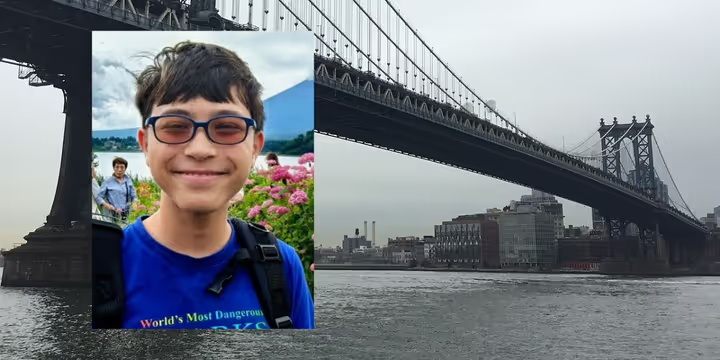
Thomas Medlin, a white teenager standing 5 feet 4 inches tall and weighing about 130 pounds, was last described wearing a black jacket with red stripes, dark sweatpants with white stripes, glasses, and carrying a black backpack. He appeared unassuming in photos released by police: a bespectacled boy with a shy smile, the kind of kid who blended into the background of affluent suburban life in St. James, Long Island. Yet beneath that ordinary exterior lay a world of online connections that initially fueled speculation. His family believed he had traveled to New York City to meet someone he met through Roblox, the massively popular online gaming platform where millions of young people interact daily. Early reports suggested Thomas had arranged an in-person rendezvous, a scenario that sent shivers through parents everywhere in the age of digital strangers and catfishing risks.
Those fears intensified when Thomas’s mother, Eva Yan, appeared on Fox & Friends in late January, her voice cracking with desperation. “He’s safe. Nobody’s going to harm him,” she pleaded directly to her son through the camera, urging him to come home and promising he wouldn’t be in trouble. Her words captured the raw agony of a parent clinging to hope amid mounting dread. The family described Thomas as a good kid—quiet, perhaps a bit introverted—who loved gaming but had never shown signs of running away or engaging in risky behavior. The idea that he might have been lured into the city by an online acquaintance seemed plausible at first, especially given the rise in grooming cases tied to gaming platforms.
But Suffolk County detectives, after exhaustive digital forensics and cooperation from Roblox, ruled out any link to the game. A company spokesperson issued a statement expressing deep concern and confirming full cooperation with law enforcement. “We are deeply troubled by this incident and are working with law enforcement to support their investigation,” the statement read. Investigators found no evidence of planned meetings, no suspicious communications, no red flags in Thomas’s online activity that pointed to foul play from an external predator. The Roblox angle, once central to the narrative, evaporated under scrutiny.
What remained was far more unsettling: the bridge footage. After leaving school, Thomas boarded a train to Grand Central Terminal, arriving around 5:30 p.m. Security cameras captured him there, navigating the bustling concourse before disappearing into the city’s veins. Hours passed in silence until the pivotal moment on the Manhattan Bridge—a towering structure linking Manhattan to Brooklyn over the East River, its pedestrian path a popular route for walkers, joggers, and sightseers. At 7:06 p.m., cameras showed Thomas pacing the walkway. The footage, described by police as part of “extensive video canvassing and review of digital evidence,” depicted the teen moving back and forth, seemingly alone. No one else appeared in close proximity in the released descriptions.

Then came the sequence that has haunted investigators and the public alike. At 7:09 p.m., Thomas’s phone registered its final activity—perhaps a last text, a scroll, or simply a lock screen timeout. One minute later, at 7:10 p.m., a surveillance camera trained on the river captured “a splash in the water.” The sound, eerie in its isolation, echoed through the investigation. Police emphasized that Thomas was never observed leaving the bridge via any of the pedestrian exits. His cellphone, once pinged for location data, went dark and has not been recovered. The East River, frigid in mid-January with temperatures hovering near freezing, is notorious for swift currents and poor visibility. Recovery efforts in such waters are notoriously difficult; bodies can drift miles or sink without trace for weeks or longer.
Suffolk County Police have been careful in their language. In their January 28 update, they stated plainly: “There is no indication of criminal activity.” Detectives have “continuously communicated the department’s findings to Medlin’s family” and are “continuing to work with its law enforcement partners to bring closure.” They stopped short of declaring that Thomas jumped or fell—yet the timeline is damning. No witnesses have come forward claiming to have seen a struggle, a push, or even the teen in distress. No suicide note, no prior indications of mental health crises according to family statements. The absence of evidence for foul play leaves the most tragic possibility hanging in the air: that Thomas, for reasons known only to him, stepped off the edge into the dark water below.
The Manhattan Bridge itself adds layers to the tragedy. Spanning over 6,800 feet, its pedestrian path offers stunning views of the skyline but also isolation amid the roar of traffic overhead. On a cold January evening, with sunset long past and temperatures dropping, the walkway would have been sparsely populated. The East River below churns with tidal forces, commercial shipping, and undertows capable of pulling even strong swimmers under. Search-and-rescue operations—though not heavily detailed in public releases—would have involved NYPD Harbor Unit boats, divers, helicopters, and perhaps sonar sweeps along the riverbed. As of late January 2026, no body had been recovered, keeping the case officially a missing-person investigation rather than a confirmed fatality.
The broader context amplifies the heartbreak. Thomas attended Stony Brook School, an elite institution known for academic rigor, arts programs, and a student body drawn from wealthy families across the region and beyond. The school issued a brief statement expressing sorrow and support for the family while cooperating fully with authorities. Classmates and teachers remembered Thomas as polite and engaged, though perhaps reserved. In the wake of his disappearance, vigils have been held on campus and in St. James, with candles, posters, and prayers lining local streets. Social media erupted with #FindThomasMedlin hashtags, amateur sleuths poring over bridge camera angles, and calls for dashcam footage from drivers on nearby FDR Drive or Brooklyn-Queens Expressway.
For Eva Yan and the rest of the family, each day without answers is torture. Her television plea was raw and maternal—promising safety, forgiveness, a warm homecoming. Yet the police update shifted the narrative from potential abduction to something far more personal and irreversible. Mental health experts interviewed in coverage of the case have spoken about the silent struggles of teenagers in the digital age: isolation amplified by screens, pressures from high-achieving environments, unspoken anxieties that can erupt without warning. Whether Thomas grappled with such demons remains unknown, but the bridge—a literal and symbolic crossing—became his final documented location.
As winter drags on, the East River continues its relentless flow, carrying secrets beneath its surface. Divers continue periodic searches, hoping for closure. The family clings to any thread of hope, even as evidence points toward tragedy. Thomas Medlin’s story is a stark reminder of how quickly a child can slip away—not into the hands of strangers, but into the depths of their own unspoken pain. In the shadow of one of New York’s grandest bridges, a 15-year-old boy’s fate hangs suspended between mystery and mourning, waiting for the river—or time—to reveal the truth.
The community of St. James, a quiet hamlet of tree-lined streets and family homes, has been forever altered. Neighbors who once waved hello now share hushed conversations about warning signs they might have missed. Schools across Long Island have ramped up counseling and online safety programs, using Thomas’s case as a cautionary tale without assigning blame. Roblox, despite being cleared, faces renewed scrutiny over how platforms handle young users’ interactions.
Yet amid the speculation, one image endures: a boy in glasses and a striped jacket, pacing alone on a bridge as night falls over the city. The splash that followed echoes like a final, unanswered question. Until recovery or revelation comes, Thomas Medlin remains missing—lost to the water, to the unknown, to the heartbreak that no parent should ever endure.