To the Bone (2017): A Raw, Controversial Dive into Anorexia That Paired Lily Collins with Keanu Reeves in a Battle for Life and Recovery

In the landscape of films tackling mental health, few have sparked as much debate, discomfort, and discussion as To the Bone (2017). Directed and written by Marti Noxon in her feature directorial debut, this Netflix drama plunges viewers into the harrowing world of anorexia nervosa through the eyes of 20-year-old Ellen (Lily Collins), a young artist whose life has been consumed by the illness. With her body wasting away and hope fading after multiple failed treatments, Ellen enters an unconventional group home led by the enigmatic Dr. William Beckham (Keanu Reeves). What unfolds is a tense, darkly humorous, and deeply personal exploration of recovery—one that challenges viewers to confront the complexities of eating disorders while questioning the ethics of portraying them on screen.
Premiering at the Sundance Film Festival in January 2017 and acquired by Netflix for a reported $8 million, To the Bone arrived amid growing conversations about body image, mental health, and representation in media. Noxon, drawing from her own battles with eating disorders, crafted a story that refuses easy answers. Ellen—known as “Eli” after adopting a gender-neutral name to distance herself from her past—has been bounced from program to program, each failing to break through her resistance. Her family, fractured and dysfunctional, includes a well-meaning but overwhelmed stepmother (Carrie Preston), a distant father who barely appears, and a mother (Lili Taylor) who has moved on with a new partner. The film opens with Ellen’s skeletal frame, sharp cheekbones accentuated by makeup and prosthetics, and a voiceover that hints at the internal war raging within her.
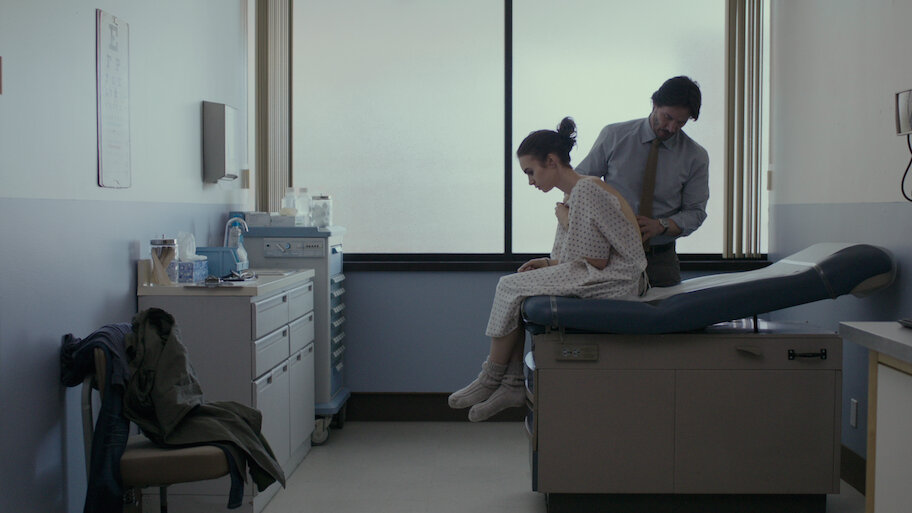
Collins delivers a performance that critics widely praised as exemplary. Her Ellen is sharp-tongued, sarcastic, and fiercely intelligent—qualities that mask profound vulnerability. The actress, who has been open about her own teenage struggles with eating disorders (detailed in her memoir Unfiltered), approached the role with meticulous care. She attended Anorexics Anonymous meetings, consulted with eating disorder specialists at the L.A. Clinic, and worked with a nutritionist to lose weight “as safely as possible.” Though she never disclosed exact amounts, Collins emphasized accountability: her mother, director Noxon, producers, and medical professionals monitored her closely. Makeup, prosthetics for collarbones and cheeks, clever lighting, and baggy clothing amplified the emaciation in later scenes, but the physical toll was real—and controversial.
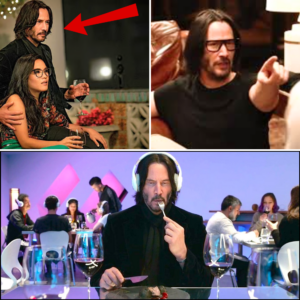
Reeves, fresh off his John Wick resurgence, plays Dr. Beckham as an unconventional, no-nonsense therapist who swears, rejects traditional family therapy sessions, and tells patients bluntly to “fuck off” the voice of anorexia in their heads. His methods—group living in a shared house, art therapy, minimal focus on calorie counts, and an insistence on personal accountability—feel radical compared to standard inpatient care. Beckham’s charisma and tough love draw Ellen in, sparking subtle romantic tension that some viewers found problematic, as it risks romanticizing the doctor-patient dynamic. Yet Reeves brings quiet intensity to the role, his calm presence contrasting the chaos of the patients’ inner worlds.
The supporting cast shines in portraying a diverse group of young adults in recovery. Alex Sharp as Luke, a ballet dancer with anorexia who forms a bond with Ellen, provides moments of genuine warmth and hope. Ciara Bravo as Tracy, a pregnant teen with bulimia, adds layers of complexity, while Alanna Ubach and Retta contribute humor and realism to the house dynamics. The film balances dark humor—patients joking about their “superpower” of invisibility or competing in twisted games—with unflinching depictions of behaviors like secret exercises, food rituals, and the physical horrors of starvation (lanugo hair growth, bruising from obsessive crunches, fainting spells).
At its core, To the Bone is about choice. Beckham tells Ellen she’s “on her own” in deciding to live, shifting responsibility from external fixes to internal resolve. This approach drew both praise for empowering patients and criticism for oversimplifying treatment. Real recovery often involves structured interventions, forced nutrition in severe cases, and family involvement—elements the film downplays or critiques.
The film’s release ignited fierce controversy. Mental health experts, including those from Beat and the Royal College of Psychiatrists, warned that visuals of extreme thinness, calorie-counting scenes, and Ellen’s emaciated body could trigger vulnerable viewers or serve as “thinspiration” on pro-anorexia sites. Netflix added a disclaimer about realistic depictions that might be challenging. Critics like those in The Guardian called it “trite, shallow,” accusing it of perpetuating beauty standards by keeping Collins “prettily” thin even at her lowest. Others slammed the “whitewashing” of eating disorders, noting anorexia’s disproportionate media portrayal among white, middle-class women despite affecting diverse demographics. The romantic subplot and Reeves’s “brilliant patriarchal savior” archetype drew ire for reinforcing gender inequities.
Yet defenders, including many with lived experience, lauded its authenticity. Noxon and Collins consulted extensively with organizations like Project HEAL (which advised but distanced from the weight-loss decision). Viewers in recovery shared stories of recognition—the secrecy, manipulation, family strain, and small victories. Rotten Tomatoes gave it a 74% critics score (with a consensus praising Collins’s “exemplary” work and empathetic insight) and Metacritic 64/100. Audience reactions split: some found hope in its message that recovery is possible; others felt it glamorized suffering or misrepresented treatment.
Lily Collins’s preparation was intense and personal. Re-reading old journals, attending support groups, and collaborating with experts helped her honor the “16-year-old girl” she once was. She viewed the role as a chance to foster empathy: “I hope it creates an empathy around the subject matter… and prompts further conversation.” Noxon echoed this, saying the film aimed to start dialogues clouded by secrecy. Both women, recovered and thriving, emphasized that portraying the illness responsibly meant showing its brutality without fetishization.
The film’s visual style—cool blues, intimate close-ups, and a restrained score—amplifies isolation and fragility. Scenes like the family therapy meltdown, where Ellen’s half-sister expresses resentment (“It’s my life too, I don’t get to have a sister”), expose ripple effects on loved ones. Ellen’s art, raw and self-revealing, becomes a tool for expression and confrontation.
To the Bone isn’t perfect. It leans on familiar tropes (charismatic doctor, quirky group home, redemption arc) and risks romanticizing recovery. Yet it succeeds in humanizing a stigmatized illness, showing anorexia as a coping mechanism tied to control, trauma, perfectionism, and societal pressures—not vanity. Ellen’s journey isn’t linear; setbacks occur, hope flickers, but the possibility of choosing life persists.
In an era where mental health stories dominate streaming, To the Bone stands as a bold, flawed, yet courageous entry. It forces viewers to look at suffering without turning away, sparking debates that continue. For those who’ve walked Ellen’s path, it offers validation; for others, a window into invisible pain. Lily Collins and Keanu Reeves anchor a film that, despite controversies, reminds us recovery demands courage, support, and unflinching honesty.
Years later, as awareness grows, To the Bone remains a pivotal conversation starter—one that challenges Hollywood to portray eating disorders with nuance, responsibility, and hope.