Channing Tatum, the charismatic star set to bring Gambit to life in the Marvel Cinematic Universe’s Avengers: Doomsday, faced a serious setback this week when he underwent surgery for a separated shoulder. On February 3, 2026, the 45-year-old actor took to Instagram with unflinching honesty, sharing a black-and-white photo of himself in a hospital gown and cap, prepped for the operating room. His caption read: “Just another day. Another challenge. This one is gonna be hard. But whatever. Let’s get it in.” The words, delivered with Tatum’s signature blend of grit and nonchalance, struck a chord with fans and fellow performers alike, turning what could have been a private medical moment into a powerful reminder of resilience in the face of adversity.
The post quickly went viral, amassing millions of views and an outpouring of support from celebrities, Marvel enthusiasts, and everyday admirers. Followers flooded the comments with messages of encouragement—“Get well soon, King,” “You’ve got this, Channing!”—while others praised his attitude toward hardship. Tatum followed up on his Stories with stark X-ray images: one showing the separated acromioclavicular (AC) joint, the collarbone painfully displaced from the shoulder blade, and a post-surgery shot revealing a large surgical screw securing the bones back in place. He captioned the latter simply: “Screwed shoulder. Yay.” The dry humor masked the reality of a painful procedure and the grueling recovery ahead.
A separated shoulder, medically known as an AC joint separation, occurs when ligaments connecting the collarbone to the shoulder blade tear, often from a direct blow, fall, or high-impact trauma. In severe cases—like Grade III or higher, which Tatum’s images suggest—surgery is required to reconstruct the joint with screws, plates, or grafts. Recovery typically spans 4–6 months of physical therapy, with restrictions on lifting, overhead movements, and strenuous activity. For an actor whose physicality has defined much of his career—from the high-energy dance sequences in Magic Mike to the stunt-heavy demands of superhero roles—this injury represents more than a temporary inconvenience; it threatens momentum at a pivotal career juncture.
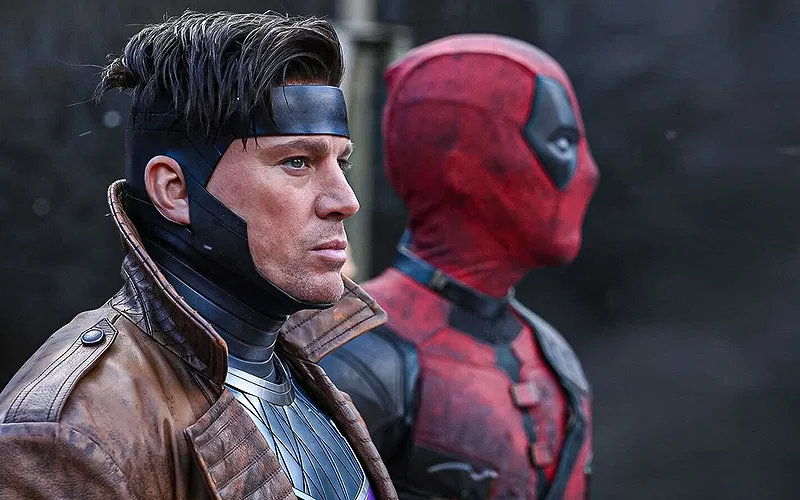
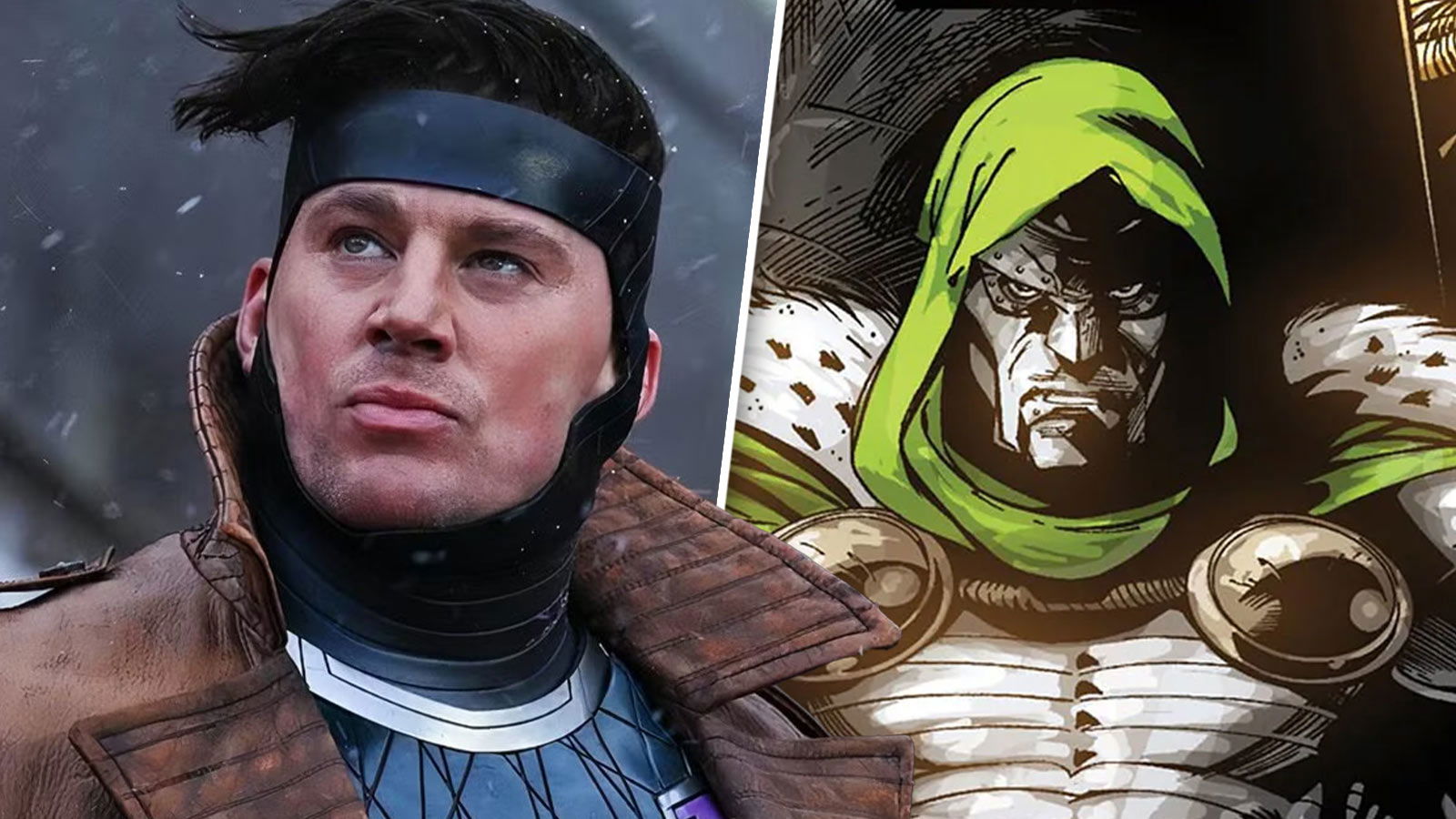
Tatum’s hospitalization comes amid intense speculation about its connection to Avengers: Doomsday. The film, directed by the Russo brothers and slated for a December 2026 release, marks a seismic shift in the MCU with Robert Downey Jr. returning as Victor von Doom (Doctor Doom) rather than Iron Man. Tatum’s Gambit—first teased in the post-credits scene of Deadpool & Wolverine (2024)—is poised to be a fan-favorite addition, bringing the Cajun mutant’s charm, kinetic cards, and bo staff mastery to the big screen. Production on Doomsday wrapped principal photography in late 2025, but Tatum had previously revealed physical setbacks during filming.
In a September 2025 Variety interview, Tatum admitted to injuring his leg on set, requiring a stunt double for heavier action sequences, including a major fight with Downey’s Doom. He described the injury as severe enough to demand six months or more of intensive rehab to regain full mobility. While he hasn’t explicitly linked the shoulder separation to Doomsday, the timing and his history of on-set mishaps fuel speculation. High-octane superhero films demand rigorous choreography, wire work, and combat training—environments ripe for strains, falls, and collisions. Tatum, known for performing many of his own stunts, has long embraced the physical toll of his craft.
This isn’t Tatum’s first brush with injury-related headlines. His career has been punctuated by moments where his body pushed back against his relentless work ethic. During Magic Mike (2012) and its sequels, he endured strains from intricate dance routines. Filming 21 Jump Street (2012) and its sequel involved high-speed chases and comedic brawls that tested his limits. Yet Tatum has always approached setbacks with a grounded, almost philosophical outlook—viewing pain as part of the journey rather than an obstacle to complain about.
His latest Instagram update exemplifies this mindset. The phrase “Just another day. Another challenge” echoes the blue-collar resilience he often channels in interviews. Born in Alabama, Tatum grew up playing football and training in martial arts before breaking into Hollywood. He has spoken openly about the grind of early roles, the pressure of fame, and the importance of staying humble. Even in vulnerability—lying in a hospital bed, facing months of rehab—he projects quiet determination. Fans see not just a celebrity, but a man who refuses to let adversity define him.
The MCU community responded with equal parts concern and admiration. Co-stars and Marvel figures sent well-wishes: Ryan Reynolds joked about sending Deadpool’s healing factor, while Hugh Jackman offered simple solidarity. Director Anthony Russo reportedly reached out privately, assuring Tatum that the production timeline accommodates recovery. Avengers: Doomsday—already packed with returning heroes like Chris Hemsworth’s Thor, Anthony Mackie’s Captain America, and the newly integrated X-Men elements—relies on Tatum’s Gambit for key moments of levity and explosive action. Delays in his recovery could necessitate adjustments, but sources close to the project insist the team remains flexible.
Beyond Doomsday, Tatum’s 2026 slate includes Roofman, a dramatic thriller that premiered at Toronto International Film Festival in 2025 to strong reviews. The role showcases his dramatic range, playing a real-life figure in a tense, character-driven story far removed from superhero spectacle. His ability to pivot between genres—dance musicals, action comedies, gritty dramas—has solidified his status as one of Hollywood’s most versatile leading men. Yet injuries remind us that even the most bankable stars are human, subject to the same vulnerabilities as anyone else.
Tatum’s transparency in sharing his ordeal humanizes him further. In an era where celebrities often curate flawless images, his raw posts—X-rays, hospital gown selfies, wry captions—cut through the gloss. They invite empathy and spark conversations about the physical demands of filmmaking, the unseen costs behind blockbuster entertainment, and the mental fortitude required to push through pain. Many fans drew parallels to athletes enduring season-ending injuries: the same mix of frustration, determination, and eventual triumph.
As Tatum begins rehab, the focus shifts to healing. Physical therapy will emphasize regaining range of motion, strengthening surrounding muscles, and preventing re-injury. He’ll likely incorporate low-impact exercises, possibly swimming or cycling, to maintain fitness without stressing the shoulder. Mental resilience will prove just as crucial—staying motivated through slow progress, managing pain, and resisting the urge to rush back.
For Marvel fans, the bigger picture remains exciting. Avengers: Doomsday promises an epic convergence of MCU phases, blending multiversal threats with Doctor Doom’s iron-fisted ambition. Tatum’s Gambit—complete with his signature trench coat, charged playing cards, and Southern drawl—adds a fresh dynamic to the ensemble. Whether the shoulder surgery stemmed from set work or an unrelated incident, it underscores the risks actors take to deliver unforgettable performances.
Channing Tatum’s response to this challenge speaks volumes about his character. In a world that often glorifies invincibility, he chooses authenticity—acknowledging the hardship while refusing to be defeated by it. “This one is gonna be hard,” he wrote, “but whatever. Let’s get it in.” Those words aren’t defeatist; they’re defiant. They signal a man ready to fight through recovery, emerge stronger, and step back onto the battlefield—whether that’s a Marvel soundstage or life itself.
As the world wishes him a swift and full recovery, one thing is clear: Channing Tatum doesn’t back down from a fight. Shoulder screwed, spirit unbroken, he’s already gearing up for the next round. The MCU—and his fans—will be waiting.