The Season 7 finale of Virgin River just delivered one of the most emotionally devastating cliffhangers in the Netflix drama’s seven-year run, leaving millions of binge-watchers staring at their screens in stunned silence as Mel and Jack’s long-awaited dream of parenthood collided head-on with a terrifying new reality. After years of heartbreaking losses—a stillbirth, multiple miscarriages, a grueling IVF journey, and the emotional rollercoaster of surrogacy—Mel Monroe and Jack Sheridan finally welcomed their adopted son into the world in the closing minutes of the episode. The delivery room should have erupted in joyful tears. Instead, doctors rushed the newborn away for emergency heart surgery, revealing a rare congenital defect that will demand multiple operations and an uncertain future. The baby’s life hangs in the balance, and so does the couple’s hard-won happiness. It’s the kind of twist that feels both cruel and perfectly on-brand for a show that has built its loyal fanbase on raw, unflinching depictions of love tested by life’s harshest blows.
Showrunner Patrick Sean Smith didn’t shy away from the decision when he sat down with TVLine just days after the March 12, 2026 premiere. “With Mel being the nurse that she is, and Jack having the strength that he does, I always felt like a baby that needed extra help was the perfect baby for them,” Smith explained. “If it was too easy, I don’t think it would be as compelling or unique. We do throw a lot at them, but we also want to see their resilience and their perseverance. That’s what I hope inspires the audience to get through their own lives, because I’ve had plenty of moments where I’m just like, ‘Are you kidding me? Could you throw more at me?’ And then I get one or two more things thrown at me and you’ve just got to keep going. Mel and Jack have each other, and they can get through anything together.”
That philosophy has defined the series since its 2019 debut, but Season 7 pushed the limits of even the most devoted viewers. The season finale opens with Marley, the surrogate who stepped forward after an unexpected connection with Mel, experiencing alarming symptoms during Virgin River’s Founder’s Day celebration. Shortness of breath and swelling send her racing to the clinic, where Mel and Doc Mullins perform an emergency ultrasound using the advanced Grace Valley mobile unit. The diagnosis lands like a thunderclap: polyhydramnios caused by a rare congenital heart defect known as superoinferior ventricles. In this condition, the baby’s two ventricles are stacked one above the other rather than side by side, forcing the tiny heart to work overtime just to circulate blood and manage amniotic fluid. Surgery is required immediately after birth—multiple procedures over the coming years—and the prognosis remains uncertain even with the best care.
Mel, ever the composed midwife, coaches Marley through an induced labor the very next day. The delivery scene is pure Virgin River magic: intimate, tear-soaked, and filled with the kind of quiet strength that Alexandra Breckenridge has made her trademark as Mel. Jack, played with rugged vulnerability by Martin Henderson, stands by her side, his face a mask of barely contained fear and hope. When the baby boy is born, the room erupts in cautious celebration—until the monitors spike and the newborn is whisked into an ambulance headed for a specialized children’s hospital in Los Angeles. In a final gut-punch, the surgeon waiting in the OR is none other than Eli, Mel’s arrogant yet brilliant ex-boyfriend from her pre-Virgin River days with Nurses Beyond Borders. The camera lingers on Mel and Jack climbing into the ambulance, hands clasped, as the siren wails and the screen fades to black. No resolution. No reassurance. Just the raw ache of parents facing the unknown once again.
For longtime fans, this twist feels like the culmination of a journey that began all the way back in Season 1. Mel arrived in the sleepy Northern California town as a grieving widow and nurse practitioner, still reeling from the stillbirth of her first child with her late husband Mark. Her romance with Jack, the charming former Marine running the local bar, offered a second chance at love—but fertility struggles quickly became a central thread. Season 3 ended with the joyful reveal of Mel’s pregnancy, only for Season 4 to test their bond when Charmaine’s twins complicated the picture. By Season 5, the devastating miscarriage hit like a freight train. Mel performed her own ultrasound in a quiet moment of dread, discovering there was no heartbeat. The loss wasn’t just personal; it forced raw conversations about D&C procedures, grief, and the silent pain so many women endure. Jack, who had already lost one biological child through Charmaine’s pregnancy drama, found himself grieving three children in a single season. Henderson later admitted to TVLine that he was furious when he first read the script. “I wanted a pregnancy in Season 6,” the actor revealed. “The miscarriage was in Season 5, right? I was very angry, and I made it known that I did not support that idea creatively. But I’m not the writer, and I do give credit to [showrunner Patrick Sean Smith] because obviously the show continues to be successful.”
That honesty from Henderson adds another layer of intrigue to the Season 7 storyline. Even after cooling off, the New Zealand-born star acknowledges the creative merit in keeping Mel and Jack’s path rocky. “Having calmed down about how incensed I was that they lost their baby, I think what [Smith] is doing really well is creating an example of a beloved couple where the audience can witness a love that’s not happy ever after,” Henderson told TVLine. “It’s a little more realistic. We all know that the hallmark of a really good relationship is actually how you endure the adversity, right? Of course it’s easy to be in love when everything’s going well, but it creates another opportunity to witness these characters actually dig deep into their own traits.” He’s been vocal about wanting more joy for the couple—“I’ve been very vocal about wanting more happiness and less misery for Mel and Jack”—yet he concedes that the drama keeps viewers hooked season after season.
The adoption route in Season 7 offered what seemed like a merciful detour. Marley, a young woman facing her own challenges, approached Mel and Jack after learning of their struggles. The arrangement felt like fate: a chance to bypass the physical toll of pregnancy while building a family on their own terms. Early episodes showed the trio navigating the emotional minefield of surrogacy—the excitement of ultrasounds, the tender moments of connection, the legal paperwork that finally made the adoption official. Viewers dared to hope that, after everything, Mel and Jack would finally get their happy ending. The Mexican honeymoon sequences provided rare breathing room, with the couple stealing quiet moments of intimacy against sun-drenched backdrops. But Virgin River has never been a show that lets its leads coast. The Founder’s Day picnic became the turning point, transforming what should have been a joyful community event into the catalyst for medical crisis.
Medically, the show’s writers consulted experts to portray superoinferior ventricles with respectful accuracy. The defect is exceptionally rare, occurring in roughly one in thousands of congenital heart cases, and it demands a coordinated team of pediatric cardiologists, surgeons, and neonatologists. In the finale, Doc Mullins and visiting specialist Dr. Hayes collaborate to confirm the diagnosis, explaining how the misaligned ventricles strain the heart’s ability to pump efficiently. Excess amniotic fluid builds pressure, risking preterm labor and further complications. The immediate transfer to a top-tier LA facility underscores the high stakes: one wrong move could prove fatal. By handing the scalpel to Eli—Mel’s former flame—the series cleverly weaves personal history into the medical drama, forcing Mel to confront old wounds while fighting for her son’s life. Will professional respect override past heartbreak? The unanswered question lingers like a promise for Season 8.
Behind the scenes, production leaned heavily on practical effects and real medical advisors to make the delivery and NICU scenes feel authentic. Breckenridge, who has portrayed Mel’s nursing expertise across seven seasons, trained with midwives to nail the coaching sequences. Henderson spent hours researching parental anxiety in high-risk births, channeling that research into Jack’s stoic yet cracking facade. The ambulance finale was shot on location with real paramedics, the flashing lights and siren adding visceral urgency. Smith has always described Virgin River as a love letter to small-town resilience, but he’s also unafraid to tackle big-city medicine when the story demands it. The Grace Valley crossover—bringing in advanced mobile tech—highlights the show’s expanding universe while keeping the heart firmly in Virgin River.
Fan reactions poured in the moment the credits rolled. Social media exploded with hashtags like #MelJackBaby and #VirginRiverHeartbreak. Reddit threads in r/VirginRiverNetflix filled with posts ranging from “I can’t believe they did this to them AGAIN” to “This is why I love the show—real life isn’t a fairy tale.” One viral comment captured the collective mood: “After all the miscarriages and IVF hell, they finally get a baby… only for this? My heart can’t take it, but I’m still tuning in for Season 8.” Others praised the realism, noting how the storyline opens doors for meaningful conversations about congenital heart defects, NICU parenting, and the quiet strength required to love through uncertainty. Support groups for parents of children with heart conditions have even reported increased traffic, with some crediting the show for sparking awareness.
Yet the frustration is palpable. After six seasons of watching Mel and Jack weather wildfires, shootings, ex-drama, and fertility nightmares, many viewers crave a break. Henderson’s own reservations echo that sentiment, yet he ultimately trusts Smith’s vision. The showrunner’s goal isn’t punishment; it’s inspiration. In a world where perfect endings feel increasingly rare, Virgin River offers a mirror: relationships forged in fire, not fairy dust. Mel’s nursing background equips her to advocate fiercely for her son, while Jack’s Marine-honed resilience becomes the steady anchor. Together, they embody the show’s core message—that love isn’t about avoiding hardship but facing it hand in hand.
Looking ahead, Season 8 (already confirmed and expected in 2027) will likely pick up in the NICU, exploring the baby’s surgeries, the couple’s new reality as parents, and the inevitable tension with Eli. Will the ex become an ally or a complication? How will the child’s needs reshape life back in Virgin River—farm chores, bar shifts, and community support all filtered through hospital visits and therapy sessions? The series has never shied away from long-term consequences; remember how Mel’s first loss rippled through multiple seasons. This heart defect promises to do the same, deepening character arcs while giving side stories (Brady and Brie’s reunion, Preacher’s restaurant dreams, Hope and Doc’s marital turbulence) room to breathe.
What makes this storyline so gripping is its refusal to sugarcoat. Congenital heart defects affect nearly 40,000 babies born in the U.S. each year, according to the CDC, yet they rarely appear on primetime television with this level of nuance. By centering the drama on beloved characters, Virgin River humanizes statistics, inviting empathy without exploitation. The show’s diverse writers’ room, bolstered by medical consultants, ensures the portrayal feels grounded rather than sensational. Breckenridge and Henderson’s chemistry—honed over years of shared screen time—carries the emotional weight. Their quiet glances, clasped hands, and whispered reassurances speak volumes more than any monologue ever could.
In the broader landscape of Netflix dramas, Virgin River stands apart precisely because it refuses the easy path. While other shows chase shock value for ratings, this one builds loyalty through authenticity. The baby’s heart condition isn’t a cheap cliffhanger; it’s a deliberate narrative choice to celebrate perseverance. As Smith noted, Mel and Jack’s story mirrors the audience’s own quiet battles—the diagnoses, the sleepless nights, the moments when hope feels fragile but refusal to quit burns brighter. Viewers who have walked similar paths find validation. Those untouched by such struggles gain perspective.
As the credits rolled on Season 7, one thing became crystal clear: Mel and Jack’s love story is far from over. The farm they’ve been restoring, the community that rallies around them, the future they’ve fought so hard to claim—all of it now revolves around a tiny fighter in a NICU incubator. The road ahead will test them in ways they never imagined, but if seven seasons have taught us anything, it’s that this couple emerges stronger from every storm. The heart defect may threaten their son’s life, but it also reaffirms the unbreakable bond between two people who refuse to let adversity define them.
For fans counting down the days until Season 8, the wait feels both agonizing and necessary. In that tension lies the show’s greatest gift: the reminder that real love isn’t measured by how smoothly life unfolds but by how fiercely two hearts keep beating—together—through every unexpected beat. The baby’s surgery will succeed or fail on screen in due time, but one truth already resonates. Mel and Jack have each other. And in Virgin River, that has always been enough to face whatever comes next.
The small-town drama that started as a simple fish-out-of-water romance has evolved into something far richer: a chronicle of ordinary heroes navigating extraordinary pain. With the Season 7 finale still trending weeks after release, it’s evident the audience isn’t turning away. They’re leaning in, tissues in hand, hearts wide open. Because deep down, we all want to believe that even when the monitors beep warnings and the specialists deliver grim odds, love—real, messy, resilient love—can still pull off miracles. Virgin River just reminded us why we keep believing.
News
🚨 Tyler Perry Drops Bombshell: Beauty in Black Season 3 Is Already Filmed… But Won’t Drop Until 2027?! Fans Are Heartbroken 😱💔
Tyler Perry just dropped the kind of news that leaves fans of Beauty in Black staring at their screens in disbelief, hearts racing with equal parts excitement and frustration. On…

🚨 Disney Is Finally Making Atlantis: The Lost Empire in Live-Action? Fans Are Losing Their Minds Over This Cult Classic Remake! 🌊😱
Fans are still dreaming of Disney bringing the cult classic Atlantis: The Lost Empire to life in live-action — and honestly, the hype hasn’t gone anywhere. Twenty-five years after its…

🚨 Fans Are Furious: Cooper Andrews Should’ve Been Cast as Maui, Not The Rock! – Mind-Blowing Casting Debate! 👀
Fans are saying Cooper Andrews should have been cast as Maui in the live-action ‘Moana’ movie, and once you see the evidence stacking up, it’s impossible to shake the feeling…
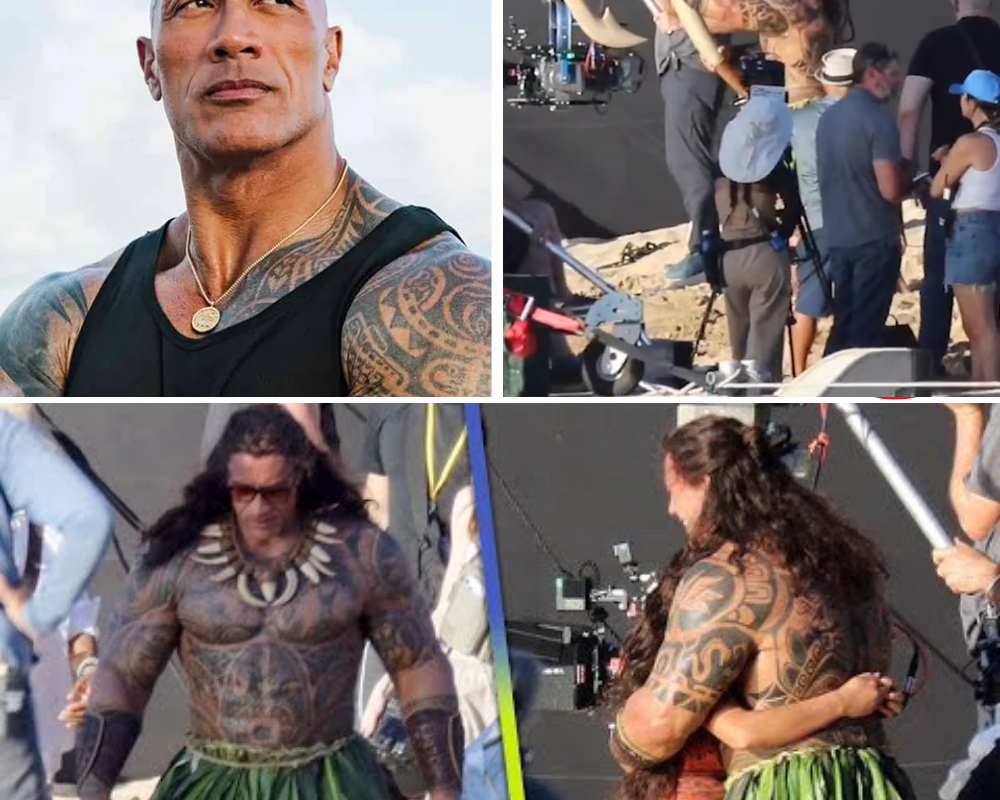
🔥 The Rock Spends 2.5 Hours Transforming Into Maui The Crazy Details Behind His Live-Action Moana Look Will Blow Your Mind!
Dwayne Johnson has never been one to shy away from a challenge, but stepping back into the role of Maui for Disney’s highly anticipated live-action Moana demanded something far beyond…

🔥 Lainey Wilson Lit Up the iHeart Awards… Then Dropped a Full-Circle Tribute to Miley Cyrus That Left the Crowd Speechless
Lainey Wilson exploded onto the iHeartRadio Music Awards stage on March 26, 2026, delivering a high-octane medley that lit up the entire Dolby Theatre and sent the crowd into a…

🫢 Keanu Reeves Mistaken For A Kidnapper Because Of His Look… 😱🔥 Woman Accuses Keanu Reeves Of Trying To Kidnap Her Child On The Street His Gentle Reply Turned The Whole Situation Around ✨
Keanu Reeves was walking down a busy sidewalk in downtown Los Angeles on a warm afternoon in 2024, dressed in his usual low-key style: faded black hoodie, loose jeans, slightly…
End of content
No more pages to load