🚨 Shocking Twist in Affluent Town: Mom Enters Not Guilty Plea After Her Two Little Ones Found in Family Home During Custody Fight – Truth Behind the Doors? 🔥🙏

Wellesley Mother Enters Not Guilty Plea in Court Proceedings Related to the Deaths of Her Two Young Children
Janette MacAusland, a 49-year-old resident of Wellesley, Massachusetts, appeared in Dedham District Court on May 6, 2026, where a not guilty plea was entered on her behalf in connection with charges related to the deaths of her two young children.
The hearing, which lasted only minutes, drew quiet attention from those following the case. MacAusland stood before the judge wearing glasses and a gray sweatshirt, her hair pulled back, and appeared emotional at points during the proceedings. A judge ordered her held without bail. Her next court date is scheduled for July 13.
The case centers on events from late April involving MacAusland’s children, Ella, age 6, and Kai, age 7. Authorities discovered the children had passed away inside the family home on Edgemoor Avenue in Wellesley. MacAusland was located shortly afterward at a relative’s home in Bennington, Vermont. She reportedly made statements to her aunt and later to police indicating she had wanted the three of them to be together in a spiritual sense, though events did not unfold as she described. She also handed officers a photograph of herself with the children from a family vacation.
Law enforcement conducted a welfare check at the Wellesley residence after concerns were raised. The discovery prompted an immediate investigation by Massachusetts State Police and the Norfolk District Attorney’s Office. MacAusland was taken into custody in Vermont on a fugitive-from-justice charge before agreeing to extradition back to Massachusetts.
Wellesley, located about 15 miles west of Boston, is known as one of the commonwealth’s most desirable suburbs. With a population of roughly 30,000, the town boasts median household incomes exceeding $350,000, home values often surpassing $1.5 million, and a reputation for excellent public schools, tree-lined streets, and family-friendly amenities. The MacAusland family lived in a single-family home on Edgemoor Avenue, an area residents describe as quiet and close-knit. Ella and Kai attended Schofield Elementary School, where both were remembered by those who knew them as lively and engaged students. A former babysitter for the family, Cale Darrah, who cared for the children through June 2024, told reporters the household always seemed positive and that the children appeared happy and healthy. “Never did I enter the house and feel like there was anything that was extremely off,” Darrah said. She added that the loss felt especially unexpected in a community like Wellesley “where nothing like this ever happens.”
The children’s school responded to the tragedy by offering support services, including grief counseling for students and staff. Local officials and neighbors placed flowers and notes near the family home, creating a small memorial that reflected the town’s collective sense of shock. Wellesley’s town center, with its boutiques, art galleries, and community events, has long been a hub for families seeking a safe, prosperous environment. The incident has prompted many residents to reflect on how even the most stable-looking neighborhoods can face private challenges.
At the center of the legal proceedings is an ongoing divorce between MacAusland and her estranged husband, Samuel MacAusland. Court records show Samuel filed for divorce in October 2025, citing an irretrievable breakdown of the marriage after nine years together. Both parents sought primary custody of the children and possession of the family home, which has drawn attention in recent filings for its estimated value nearing $2 million in some documents. The couple reached a joint agreement on April 16 to appoint a neutral third party to investigate custody and parenting-plan issues and prepare a report for the court. A guardian ad litem was formally appointed on April 21.
Divorce and custody matters in Massachusetts follow specific legal pathways designed to prioritize the best interests of any children involved. The state’s family courts often require mediation, financial disclosures, and evaluations by guardians ad litem—court-appointed professionals who assess family dynamics and submit recommendations. These processes can stretch for months or longer, especially when both parties contest custody and property division. Public records indicate the MacAusland case followed this standard timeline until the events of late April brought it into sharper focus.
Janette MacAusland worked as an acupuncturist and massage therapist, with professional affiliations that included roles at facilities focused on integrated health and wellness. She had also been involved in meditation teaching. Her career centered on holistic approaches to well-being, a field that has grown in popularity in suburban communities like Wellesley where residents value preventive health and stress management. Colleagues and acquaintances described her as dedicated to her profession and family life prior to the divorce proceedings.
The arraignment on May 6 marked MacAusland’s first formal appearance in a Massachusetts courtroom since her return from Vermont. During the hearing, prosecutors outlined basic elements of the case without delving into extensive testimony. A not guilty plea was entered automatically on her behalf, as is common at the arraignment stage. The judge determined she would remain in custody at the Western Massachusetts Regional Women’s Correctional Center in Chicopee pending further proceedings.
Legal experts note that cases involving charges related to the deaths of children in a family setting often move through multiple stages. After arraignment comes a probable-cause hearing, scheduled here for July 13, where a judge reviews whether sufficient evidence exists to proceed to a grand jury or trial. If the case advances, it could involve additional pretrial motions, discovery of evidence, and potentially plea negotiations or a full trial. Bail decisions in such matters weigh factors including the nature of the charges, community safety considerations, and the defendant’s ties to the area.
For the broader Wellesley community, the case has sparked conversations about family stress, the pressures of high-achieving suburbs, and the importance of support systems during life transitions like divorce. Massachusetts maintains one of the lower divorce rates in the nation, typically ranging between 1.4 and 2.7 per 1,000 residents depending on the year, according to state health data. Yet when separations occur, especially those involving children, the emotional and logistical demands can be significant. Experts in family law emphasize that custody disputes often involve complex emotions, financial considerations, and adjustments for all parties.
Public interest in the MacAusland case has grown steadily since late April. Local news outlets, including the Boston Globe and regional television stations, have covered developments from the initial discovery through the Vermont extradition and the recent arraignment. Social media discussions among residents have focused on the children’s memory and the town’s resilience rather than speculation. One neighbor told reporters the family had seemed like any other in the neighborhood—attending school events, enjoying local parks, and participating in community activities.
Ella and Kai were described in positive terms by those who knew them. Ella was remembered as outgoing and energetic, while Kai was noted for being a bit shyer but with a love for reading and outdoor play. Both children were students in the Wellesley Public Schools system, which consistently ranks among the top in the state for academic performance and student support services. The loss of two young students prompted the district to activate its crisis response team, providing counseling and resources to help classmates process the news.
As the legal process continues, questions remain about the sequence of events in late April and the factors that led to the welfare check. Authorities have released limited information beyond confirming the children were found deceased in the home and that MacAusland was located in Vermont with an injury to her neck area after appearing distressed at her aunt’s residence. She allegedly shared statements with her aunt about a desire for the family to be united spiritually, though she indicated the outcome differed from her intentions. Police reports cited in court documents note that she provided a family vacation photo during initial questioning.
The Norfolk District Attorney’s Office has described the investigation as ongoing. No additional charges have been announced beyond the initial counts related to the children’s deaths. Defense attorneys have not yet released public comments on strategy, though MacAusland’s agreement to expedite her return to Massachusetts suggests a focus on addressing the matter within the state court system.
Observers following similar cases note that family tragedies of this nature often highlight broader societal discussions around mental health resources, the challenges of co-parenting after separation, and community awareness. In affluent areas like Wellesley, where outward success is common, private struggles can sometimes go unnoticed until a crisis emerges. Local organizations have used the moment to quietly remind residents of available support hotlines for families in transition.
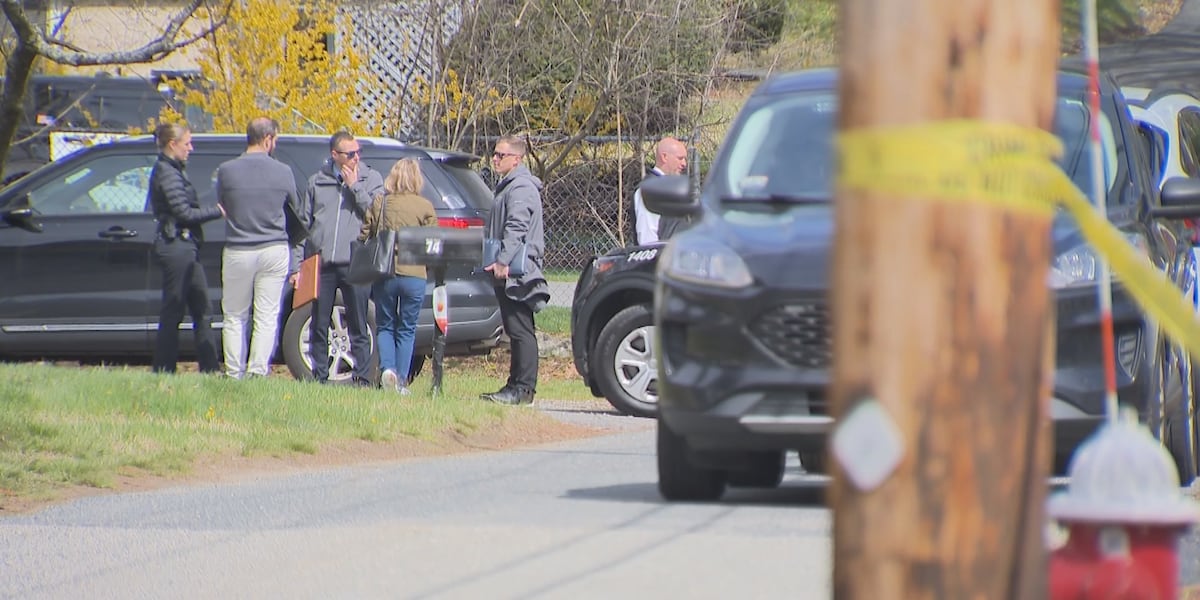
The MacAusland home on Edgemoor Avenue remains part of the active investigation. Neighbors report that the street, typically quiet with children playing and families walking dogs, has seen an increase in media presence since the news broke. Many have expressed a desire to return focus to remembering the children positively and supporting one another.
Looking ahead, the July 13 probable-cause hearing will likely provide more procedural clarity. If the case proceeds, it could involve additional hearings, expert testimony, and a potential trial date later in the year. Massachusetts law requires careful handling of evidence and witness statements in proceedings of this type to ensure due process.
For now, the case stands as a somber reminder of how quickly family circumstances can shift. The children, Ella and Kai, leave behind a community that valued their presence in classrooms, playgrounds, and neighborhood events. Their mother’s not-guilty plea keeps the legal questions open as the court system works through the facts.
Residents in Wellesley and beyond continue to watch for updates, hoping for resolution and healing in the months ahead. The story serves as a prompt for many to consider the hidden layers within even the most seemingly stable households and the importance of open communication during difficult times.
As more details emerge from court filings and official statements, the public’s understanding of the full context may deepen. For families navigating their own challenges, the coverage underscores the value of seeking professional guidance early—whether through legal counsel, counseling services, or community resources.
The MacAusland proceedings are expected to draw continued attention given the local prominence of the family’s former community and the sensitive nature of the charges. Legal analysts anticipate a measured pace as both sides prepare their positions. In the meantime, the town of Wellesley focuses on supporting its younger residents and maintaining the strong sense of community that has long defined it.
This case, like others involving complex family dynamics, invites reflection on how society addresses parental stress, divorce transitions, and child well-being. No single narrative captures every element, but the court record will ultimately shape the official account. Until then, those closest to the family continue to process the loss while the legal process advances step by step.