An 18-year-old freshman at Loyola University Chicago stepped out with friends for a late-night walk along the scenic lakefront, hoping to catch a glimpse of the northern lights dancing over the water. Sheridan Gorman, a bright-eyed young woman from Yorktown, New York, had only recently begun her college journey in the bustling Rogers Park neighborhood. She was living the classic freshman experience — making new friends, exploring the city, and posting joyful photos on social media that captured her excitement for the future. No one could have predicted that this innocent outing would end in cold-blooded murder, with the young student executed at point-blank range after being stalked from behind along a pier.

The horror unfolded in the early hours of Thursday morning near Tobey Prinz Beach. Sheridan and her friends had wandered to the end of a pier, drawn by the shimmering lights and the peaceful view of Lake Michigan. According to prosecutors, 25-year-old Jose Medina-Medina — an undocumented Venezuelan migrant — was hiding behind a lighthouse structure. He emerged suddenly, masked and armed with a gun, and opened fire on the group. Sheridan was shot and killed at the scene. The killer fled into the night, leaving behind a trail of grief that would soon engulf her family, the Loyola community, and spark a fierce national debate over crime, immigration, and political rhetoric in one of America’s most violence-plagued cities.
Police moved quickly. Within days, Medina-Medina was arrested and charged with first-degree murder. Court documents and DHS statements revealed he had entered the United States illegally under previous administration policies and had a criminal history that raised serious questions about why he remained free on Chicago’s streets. Prosecutors later detailed how he allegedly stalked the group before striking, contradicting any notion of a random encounter. The suspect even missed an initial court appearance due to hospitalization for tuberculosis, adding another layer of frustration for those demanding accountability.
Yet what transformed this heartbreaking local tragedy into a national firestorm was not just the brutal details of the killing itself, but the jaw-dropping response from a sitting Chicago elected official. Progressive Alderwoman Maria Hadden, representing parts of the North Side including areas near Loyola, sat down for an interview with Fox 32 Chicago shortly after the murder. Instead of expressing unqualified outrage or concern for public safety, Hadden offered a perspective that many found tone-deaf at best and victim-blaming at worst.
“She was in the wrong place at the wrong time, running into a person who had a gun,” Hadden said. She went further, suggesting that Sheridan and her friends “might have unintentionally startled this person at the end of the pier.” In the same breath, the alderwoman downplayed any broader threat, stating, “We don’t believe there is cause for broader community concern.”
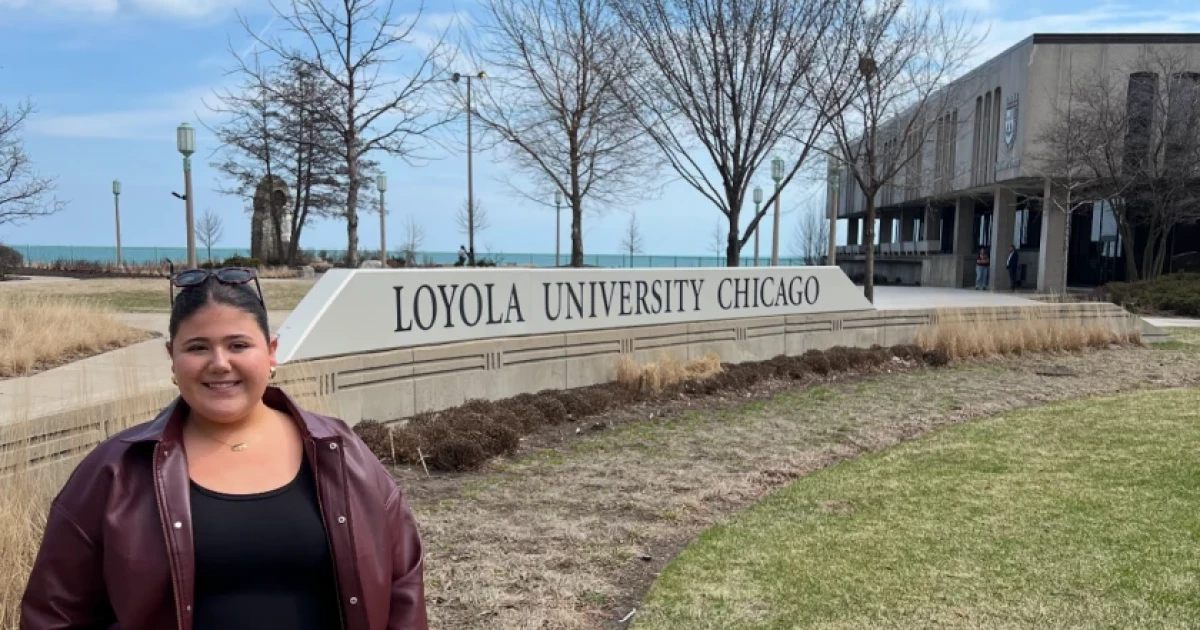
The remarks detonated across social media. Within hours, X (formerly Twitter) erupted with furious backlash. One user wrote that Hadden had “pretty much blamed Sheridan Gorman for her own murder” and called the attitude “sick.” Another accused the alderwoman of “downplaying the murder of an American citizen in defense of a Venezuelan gangbanging invader.” A third put it bluntly: “Blaming the victim for startling the armed illegal invader? You, Maria Hadden, are garbage.”
The outrage was not limited to anonymous online voices. Conservative commentators, crime victims’ advocates, and even some moderate voices in Chicago slammed Hadden for appearing to shift responsibility onto the teenage victim rather than the alleged killer. Critics pointed out that police reports described a deliberate stalking and execution-style shooting, not a startled confrontation. Sheridan was not alone in a dangerous alley at 3 a.m.; she was with friends on a public pier in a neighborhood adjacent to a major university campus, doing something countless Chicagoans and tourists do regularly — enjoying the lakefront.
Hadden’s comments did not come in isolation. The alderwoman has a history of progressive stances that have drawn controversy before. In January, during a city council meeting, she drew parallels between the Holocaust and ICE immigration enforcement actions in Chicago, a comparison widely condemned as inappropriate. Her latest remarks fit into a broader pattern of rhetoric from some Chicago Democrats that critics say prioritizes narratives around immigration and systemic issues over the raw reality of violent crime and its victims.
Chicago itself has long struggled with gun violence. The city recorded hundreds of homicides in recent years, with many neighborhoods plagued by gang activity, illegal guns, and strained policing. Loyola University, while situated in a relatively quieter pocket along the lake, is not immune to the city’s challenges. Students and parents across the country watched the story unfold with growing alarm: an 18-year-old girl, fresh out of high school, gunned down while simply walking with friends. Sheridan’s family released a heart-wrenching tribute, describing their daughter as kind, vibrant, and full of promise. Her death robbed them of a lifetime of milestones — graduations, weddings, grandchildren — in a single, senseless moment.
The political fallout spread rapidly. Illinois Governor JB Pritzker faced questions about sanctuary policies and public safety along the lakefront, an area he had once praised as safe and inviting. Chicago Mayor Brandon Johnson was pressed on whether the city’s approach to immigration and crime had contributed to an environment where such violence could occur. ICE lodged a detainer for Medina-Medina, urging local authorities not to release him, highlighting tensions between federal immigration enforcement and Chicago’s sanctuary status.
Even the student newspaper at Loyola issued an editor’s note apologizing for initially referring to the suspect as an “illegal immigrant,” stating that the term did not align with their style guide or values and emphasizing that “no human’s existence is illegal.” The note itself became another flashpoint, with critics accusing the paper of prioritizing political correctness over clear reporting on a murder suspect’s immigration status.
For Sheridan’s friends and classmates, the grief was immediate and visceral. Loyola canceled classes and held vigils. Students gathered along the lakefront, laying flowers and notes at the pier where the shooting occurred. Many expressed disbelief that a routine walk could end so violently. Parents nationwide began questioning whether sending their children to urban universities in high-crime cities was still worth the risk, especially when officials seemed reluctant to acknowledge the role of repeat offenders or immigration enforcement failures.
The case also reignited debates about bail reform, pretrial release policies, and the revolving door of the criminal justice system. If Medina-Medina had prior criminal history as alleged, why was he on the streets? How many warnings or encounters with law enforcement had been ignored due to sanctuary policies or resource constraints? These questions hung heavy in the air as prosecutors revealed more details in court.
Sheridan Gorman was more than a statistic or a political talking point. She was a daughter, a sister, a friend, and a young woman just beginning to discover her place in the world. Originally from a suburban New York community, she chose Loyola for its strong academic programs and vibrant campus life. Her social media posts from the weeks before her death showed a typical college freshman — smiling with roommates, exploring Chicago’s architecture, and embracing independence. Those images now stand in stark contrast to the crime scene photos and the cold reality of her final moments.
The alderwoman’s office reportedly received a flood of threats and “explicit and disturbing” comments after her remarks went viral. Hadden herself did not respond to multiple requests for further comment from the New York Post. While some supporters defended her words as an attempt to avoid panic, the overwhelming consensus online and in conservative media was that victim-blaming had no place in response to the murder of an innocent teenager.
This tragedy exposes deeper fault lines in Chicago and beyond. Progressive rhetoric that frames every crime through lenses of systemic racism, poverty, or “startled” perpetrators often clashes with the lived experiences of victims and their families. When an elected official suggests a young woman walking with friends on a public pier somehow contributed to her own execution, it strikes many as not only insensitive but dangerous — a signal that accountability for criminals takes a backseat to protecting narratives.
As the investigation continues, Jose Medina-Medina faces serious charges. His criminal background, immigration status, and the circumstances of the shooting will be scrutinized in court. For Sheridan’s family, no amount of political debate will bring their daughter back. They are left planning a funeral instead of celebrating her first semester milestones.
The murder of Sheridan Gorman should serve as a wake-up call. Chicago’s lakefront, marketed as a jewel for residents and visitors alike, must be safe for everyone — especially vulnerable young students. University officials, city leaders, and law enforcement need to prioritize prevention over deflection. Parents deserve honest assessments of campus and neighborhood safety rather than platitudes about “wrong place, wrong time.”
In the end, an 18-year-old girl lost her life because someone chose to pull the trigger. No amount of rhetorical gymnastics can change that fundamental truth. Sheridan was not “startled” into her death; she was stalked and executed while enjoying a simple moment with friends. The public fury directed at Alderwoman Hadden reflects a growing frustration with leaders who appear more concerned with optics and ideology than with protecting innocent lives.
As candles flicker at makeshift memorials along Chicago’s lakefront and Loyola students return to classes with heavier hearts, one young woman’s story lingers. Sheridan Gorman came to Chicago full of hope and potential. Her death demands more than thoughts and prayers or politically convenient explanations. It demands accountability, honest dialogue about crime and immigration, and a renewed commitment to ensuring that no other parent has to bury a child who simply went for a walk by the water.
The pier where Sheridan took her last breaths now stands as a silent witness. Flowers pile up, notes flutter in the wind, and the waves of Lake Michigan continue their eternal rhythm. But for those who knew and loved her, the water will never look quite the same. It carries the memory of a life stolen too soon — and a stark reminder that in a city struggling with violence, even ordinary moments can turn deadly when leadership fails to confront reality head-on.
News
Family Mourns Quebec Pilot Antoine Forest Who Died at 30 When Air Canada Plane Hit Fire Truck at LaGuardia Airport… He Started Flying at 16 🔥 “He Never Stopped”
The runway at New York’s LaGuardia Airport was bathed in artificial light late on Sunday night, March 22, 2026, when Air Canada Express Flight 8646 — a Bombardier CRJ-900 regional…
😱💔 Air Canada Pilot Antoine Forest, 30, Killed When His Plane SLAMMED Into Fire Truck on LaGuardia Runway — “He Never Stopped Flying” Since Age 16, Says Heartbroken Family 🔥 Two Young Pilots Gone in Tragic Crash
The runway at New York’s LaGuardia Airport glowed under the late-night lights on Sunday, March 22, 2026, as Air Canada Express Flight 8646 made its final approach. The CRJ-900 regional…

💔 Heartbreaking Tribute: University of Alabama Student Jimmy Gracey’s Girlfriend Kenna Breaks Silence After He Died on Spring Break in Barcelona – “I Wish I Could Rewind Time” 😢
She was waiting for him to come home. Instead, she had to write a goodbye. Kenna Cohen sat in her Tuscaloosa apartment, phone in hand, staring at the screen as…

😭 First Harry Potter TV Trailer is HERE & It’s Giving Chills! Dominic McLaughlin as Harry, Nick Frost as Hagrid & Surprise Christmas 2026 Premiere – Potterheads Are LOSING IT! 🔥🧙♂️
Magic is erupting back into the cultural bloodstream with a ferocious new energy, and the first official trailer for HBO’s long-awaited Harry Potter TV series has just sent Potterheads into…
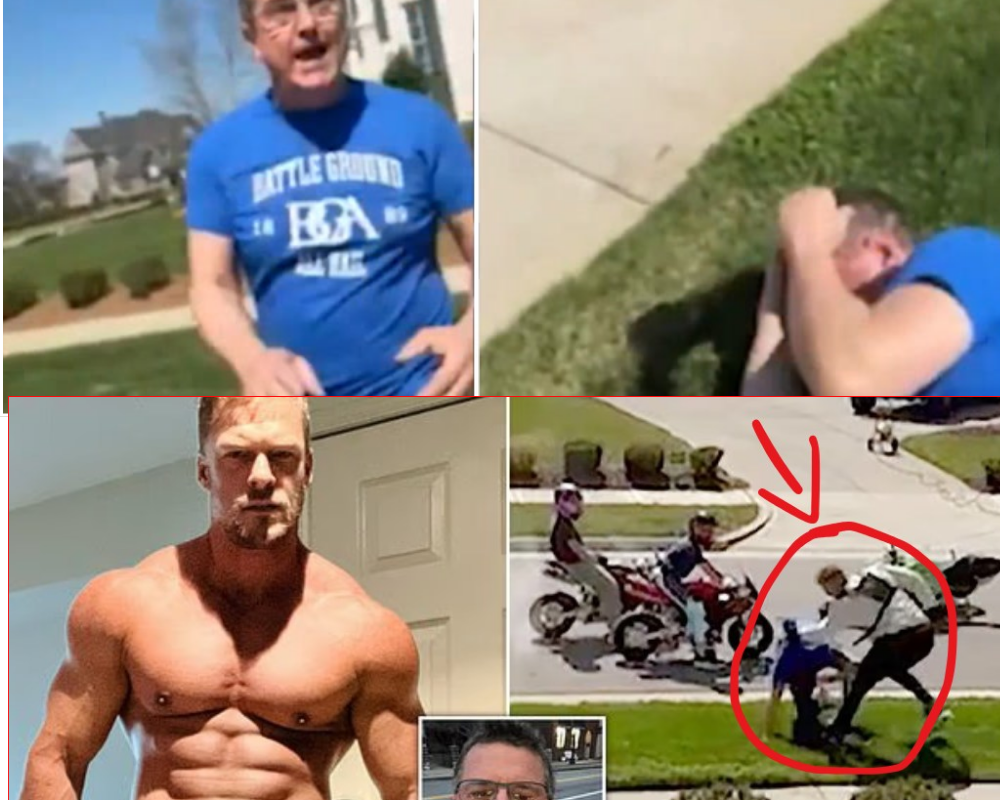
💀 “You Were Driving Like a Lunatic!” — Explosive Bodycam Footage of Alan Ritchson Beating Neighbor After Being Shoved in Front of His Sons! Reacher in Real Life? 👊
Bodycam footage released this week has blown open the raw, unfiltered truth behind the explosive street brawl that pitted “Reacher” star Alan Ritchson against his Tennessee neighbor — and it…
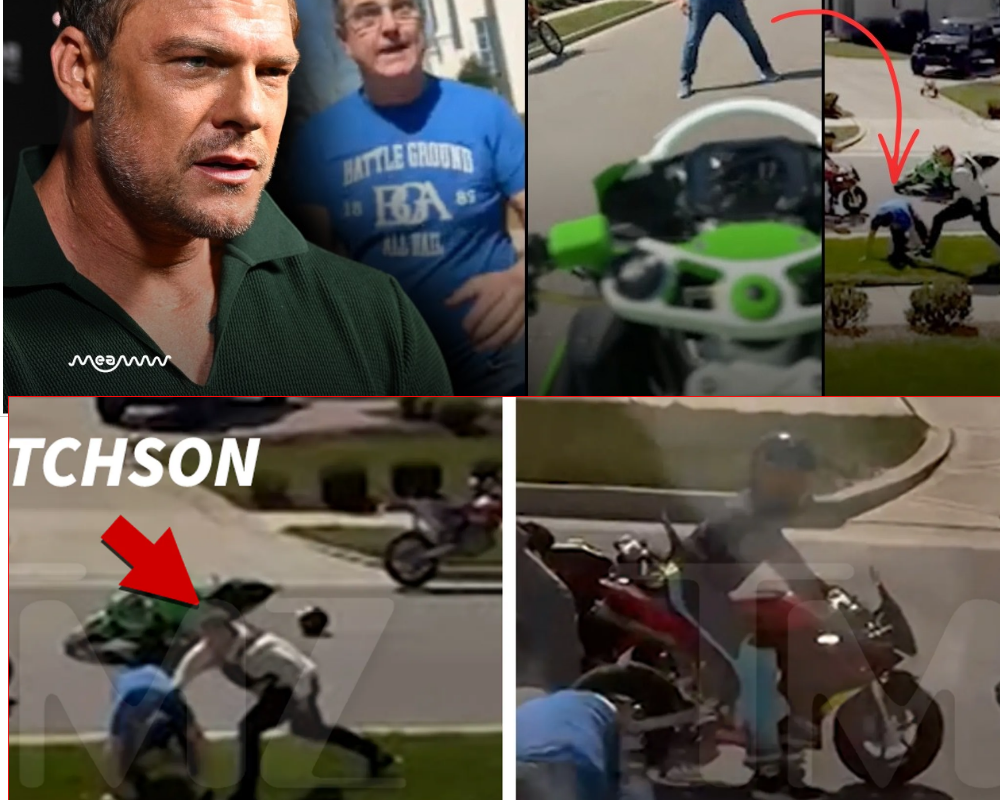
😱 Reacher Star Alan Ritchson Addresses Wild Front-Yard Fight With Neighbor For First Time: “Crazy Week” After Being Pushed Off His Bike Twice! 👊
The peaceful suburban streets of Brentwood, Tennessee, turned into a battleground one bright Sunday afternoon when “Reacher” star Alan Ritchson found himself locked in a raw, no-holds-barred confrontation with his…
End of content
No more pages to load