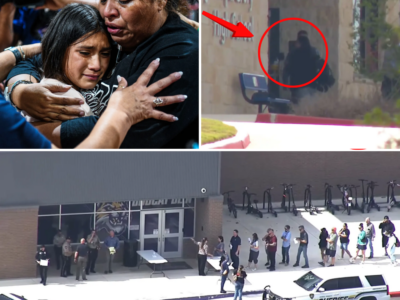
A single gunshot shattered the morning calm at Hill Country College Preparatory High School in Bulverde, Texas, on March 30, 2026, turning a prestigious campus known for academic excellence into the scene of unimaginable tragedy.
Around 8:30 a.m., as classes were beginning, a 15-year-old male student pulled a .357 revolver from his backpack inside a second-floor classroom. He shot his female teacher before turning the weapon on himself. The boy died instantly from the self-inflicted wound. The teacher, whose name has not been released, was rushed to a hospital in San Antonio. As of March 31, she remained hospitalized but conscious and alive, according to Comal County Sheriff Mark Reynolds.
No other students or staff were physically injured, yet the emotional impact rippled through the tight-knit community in the Texas Hill Country, just north of San Antonio. Parents raced to a reunification site at nearby Bulverde Middle School, clutching photo IDs and praying for their children’s safety. The school at 3615 Mustang Vista, part of the Comal Independent School District, draws ambitious families seeking rigorous STEAM-focused education that can lead to an associate’s degree alongside a high school diploma. On this ordinary Monday, that promise of a brighter future collided violently with despair.
Sheriff Reynolds addressed the media in the afternoon, confirming the grim sequence: the student shot the teacher, then himself. Investigators believe the revolver was brought directly from the boy’s home. A search warrant executed at the residence yielded multiple electronic devices now under forensic analysis. “It is too early in the investigation to determine whether any charges will be filed against the firearm’s owner,” the Comal County Sheriff’s Office stated in a Facebook post on March 31.

The sheriff also revealed a critical security detail that has since sparked concern: no school resource officer was on campus when the shooting occurred. The officer, provided by the Bulverde Police Department, arrived shortly after. “They came pulling up after,” Reynolds told reporters. In a school with fewer than 250 students, the absence of immediate armed presence highlighted vulnerabilities even in well-regarded institutions.
What drove the 15-year-old to this desperate act? Officials pointed to a possible clue buried in early findings. The student “may have been experiencing academic difficulties,” according to the sheriff’s office. Prior disciplinary history remains unknown at this stage. Authorities continue working to determine whether the boy was enrolled in the injured teacher’s class and what exact circumstances led to the confrontation.
The academic pressure angle resonates deeply in a school like Hill Country College Prep. Designed as a public school-of-choice with advanced coursework, dual-enrollment opportunities, and a strong emphasis on science, technology, engineering, arts, and math, it attracts motivated teens and proud parents. Yet high expectations can create intense stress. For adolescents already navigating the turbulence of teenage years, falling behind in such an environment may feel catastrophic rather than a temporary setback.
Electronic devices seized from the home could hold answers—text messages, search histories, social media activity, or personal notes that reveal mounting anxiety, frustration, or isolation. Forensic teams are examining them carefully, but results will take time. In the interim, the community grapples with painful questions: Were there warning signs that went unnoticed? Could better mental health support have changed the outcome?
Superintendent John E. Chapman III of Comal ISD released a video statement expressing profound sorrow. “Monday was one of the most difficult days the district has experienced,” he said, his voice heavy. “We will grieve together. We will heal together. We will move forward together.” He called on the community to pray for the teacher’s full recovery and encouraged everyone to wear blue as a symbol of unity and support.
Classes at Hill Country College Preparatory were canceled on March 31. Counselors stood ready to assist students, staff, and families. The campus remained closed as investigators processed the scene, collecting evidence and piecing together timelines. Flowers and candles began appearing outside the school gates by Tuesday, quiet tributes to lives forever altered.
Bulverde, a small but growing city of around 6,000 residents nestled among live oaks and rolling hills, prides itself on family values and community spirit. The school’s location in a scenic suburban area makes it a destination for parents seeking quality education without the chaos of larger urban districts. Yet even here, the national epidemic of school violence has intruded.
This incident stands out from many others. It was not a mass shooting with multiple victims or an “active shooter” rampage. Instead, it appears intensely personal—a targeted act followed immediately by suicide. Such cases often stem from individual crises rather than broader ideological motives. The suspected link to academic struggles throws light on the silent battles many teens face today.
Statistics from the Centers for Disease Control and Prevention paint a sobering picture: suicide ranks as the second-leading cause of death for Americans aged 10 to 24. Academic pressure, social media, family expectations, and untreated mental health issues frequently intertwine. In competitive prep schools, where grades and performance define self-worth, the fear of failure can become overwhelming. Psychologists like Dr. Lisa Damour have described these high-achieving environments as potential “pressure cookers” when emotional support lags behind rigorous academics.
Gun access adds another painful dimension. Texas maintains some of the most permissive firearm laws in the nation, including constitutional carry. The .357 revolver came legally from the student’s home, authorities believe. While no charges have been filed yet against the owner, the case inevitably raises conversations about safe storage practices—especially in households with teenagers. Should families with school-age children face stricter requirements for locking away weapons? In a state where guns are woven into cultural traditions of hunting, self-defense, and independence, such discussions provoke strong opinions on both sides.
The absence of an on-campus officer at the critical moment has also drawn scrutiny. School resource officers provide visible deterrence and rapid response, yet their deployment varies by district resources and policies. In this instance, timing proved devastating. Reynolds emphasized that law enforcement responded quickly once alerted, but the initial seconds belonged solely to the unfolding horror inside the classroom.
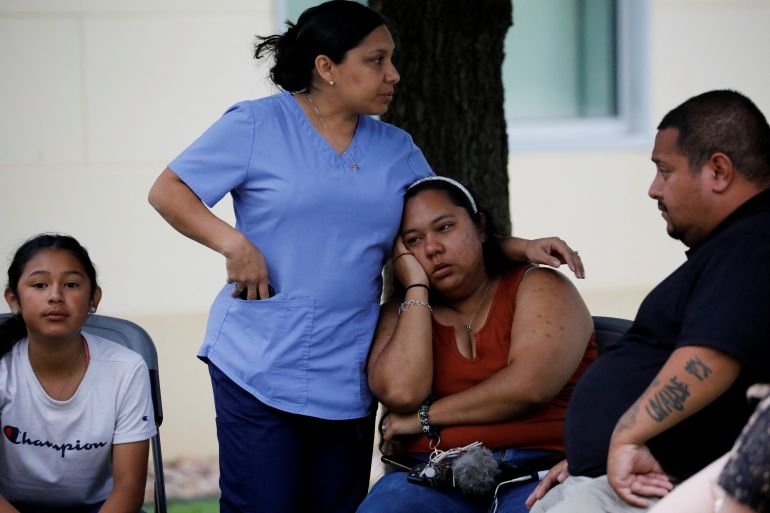
Students who heard the bangs and subsequent screams will carry those sounds for years. One anonymous teen described the chaos to local media: lockdown procedures activated almost immediately, with everyone ushered to safety and later bused to the reunification site. Parents described frantic drives to Bulverde Middle School, hearts pounding as they waited in long lines for news.
The teacher’s condition offers a sliver of hope amid the darkness. Hospitalized in San Antonio and reported conscious, she faces a long road to physical and emotional recovery. Her dedication to students now contrasts sharply with the violence that invaded her classroom. Colleagues and families have rallied around her, even as her identity stays protected out of respect and privacy concerns.
As the investigation advances, several threads remain unresolved. What was the precise relationship between the student and the teacher? Did any prior interactions contribute to the confrontation? Were there social dynamics, bullying, or personal issues at play beyond academics? The seized devices may illuminate these questions, but digital forensics demands patience.
Broader lessons emerge from this tragedy. Schools across America, even smaller and seemingly safer ones, must evaluate mental health resources with the same rigor applied to academic programs. Training teachers and staff to recognize signs of distress— withdrawal, sudden drops in performance, expressions of hopelessness—could prove lifesaving. Integrating social-emotional learning alongside STEM initiatives might help students view setbacks as growth opportunities rather than defining failures.
Parents, too, play a vital role. Open conversations about pressure, perfectionism, and the normalcy of struggle can ease the burden. Encouraging help-seeking without stigma remains essential, particularly in cultures that prize self-reliance.
For gun-owning families, the incident underscores the importance of secure storage. Simple measures like locked safes or trigger locks can prevent impulsive access during moments of crisis. While laws differ by state, responsible ownership includes anticipating risks posed by adolescents experiencing emotional turmoil.
Community response in Bulverde has been swift and compassionate. Local churches, organizations, and neighbors have offered support groups and listening ears. The call to wear blue transcends politics or division—it represents collective resilience and care. Small gestures like these help bind a town reeling from shock.
Yet healing will not happen overnight. Students returning to campus will confront empty desks and heightened security measures. Teachers may question their safety in familiar hallways. Administrators face the challenge of restoring trust while honoring grief. The boy’s family, notified only when they arrived at the reunification line, must navigate unimaginable loss and possible scrutiny.
This event joins a long, tragic list of school shootings in the United States. According to tracking databases, hundreds have occurred since the late 2010s, with varying scales and motives. Targeted attacks on staff, though less common than mass casualty events, reveal the same underlying vulnerabilities: easy firearm access, mental health gaps, and societal pressures on youth.
What sets this case apart is its potential tie to academics in a high-performing environment. It forces a national conversation: Are we pushing students too hard without adequate safeguards? Do rigorous programs inadvertently amplify anxiety for those who falter? How do we balance ambition with well-being?
Experts urge multifaceted approaches. Schools could expand counseling staff, implement anonymous reporting systems for concerns, and partner with community mental health providers. Policymakers might consider incentives for secure gun storage or enhanced school safety funding. Families and communities must normalize discussions about emotional health as readily as they celebrate academic success.
In Bulverde, the hills that once symbolized opportunity now frame a somber landscape. The live oaks stand witness to both youthful dreams and sudden heartbreak. As investigators continue their work—reviewing footage, interviewing witnesses, analyzing devices—the town holds space for mourning and reflection.
Superintendent Chapman’s words offer a roadmap: grieve together, heal together, move forward together. Moving forward demands more than unity statements. It requires honest self-examination at every level—school, home, society.
The 15-year-old whose life ended so abruptly may have felt trapped by the very system designed to elevate him. His teacher now fights for recovery, her future forever changed. Classmates process trauma that no teenager should endure. Parents across Comal County hug their children tighter, wondering if similar struggles hide behind closed doors.
This tragedy in the Texas Hill Country is not merely another headline. It is a stark reminder of the hidden battles waged daily by young people. Academic difficulties, when layered with adolescent pressures and accessible weapons, can escalate with devastating speed.
As blue ribbons appear on lapels and doors throughout Bulverde, the community demonstrates strength in solidarity. Counselors remain available. Conversations about prevention gain urgency. The hope is that lessons learned here will protect other schools and spare other families from similar pain.
The road ahead is long and uncertain. Forensic results may bring clarity or raise new questions. The teacher’s recovery will unfold gradually. Students will eventually return to classrooms, carrying both memories and resolve.
In the end, the story of March 30, 2026, at Hill Country College Preparatory High School calls for compassion, vigilance, and change. It challenges us to see beyond grades and achievements to the young humans behind them. To secure homes not just with locks on doors but with understanding in hearts. To build schools that nurture resilience as fiercely as they cultivate knowledge.
Bulverde refuses to be defined by this single act of violence. Its residents, bound by shared loss and determination, walk forward—grieving, healing, and committed to ensuring no other classroom echoes with such gunfire. The children deserve that promise. The future demands it.
News

Kevin Costner, 71, Spotted Having Intimate Lunch With Beautiful Mystery Woman – New Girlfriend or Something Else? 😱❤️
Kevin Costner was spotted enjoying a casual lunch in Los Angeles with a stylish, unidentified woman, instantly sparking a frenzy of speculation across tabloids, social media, and celebrity gossip circles….

🚨 Keanu Reeves Teams Up With the Man Who Made Deadpool a Star – Colossus Actor Stefan Kapicic Joins the Mystery Sci-Fi Project…
Keanu Reeves is teaming up with the director who launched Deadpool into superstardom, and the first major casting news has fans buzzing with excitement. Stefan Kapicic, the voice and motion-capture…
No One Was Ready for This: Luke Bryan & Lionel Richie Join the Top 20 for an Unforgettable Rendition of “Jesus Is Love” on American Idol 🔥
The lights dimmed on the American Idol stage, and for a few seconds, the usual glitter and spectacle gave way to something deeper. Then the first notes of “Jesus Is…

😲 American Idol Frontrunner Stuns Everyone With Her Emotional Cover of “Gratitude” – This Missouri Mama’s Version Is Completely Different 🔥
A mother of three from a small Missouri town stepped into the spotlight on American Idol and delivered a performance that has left judges, fans, and gospel music lovers speechless….
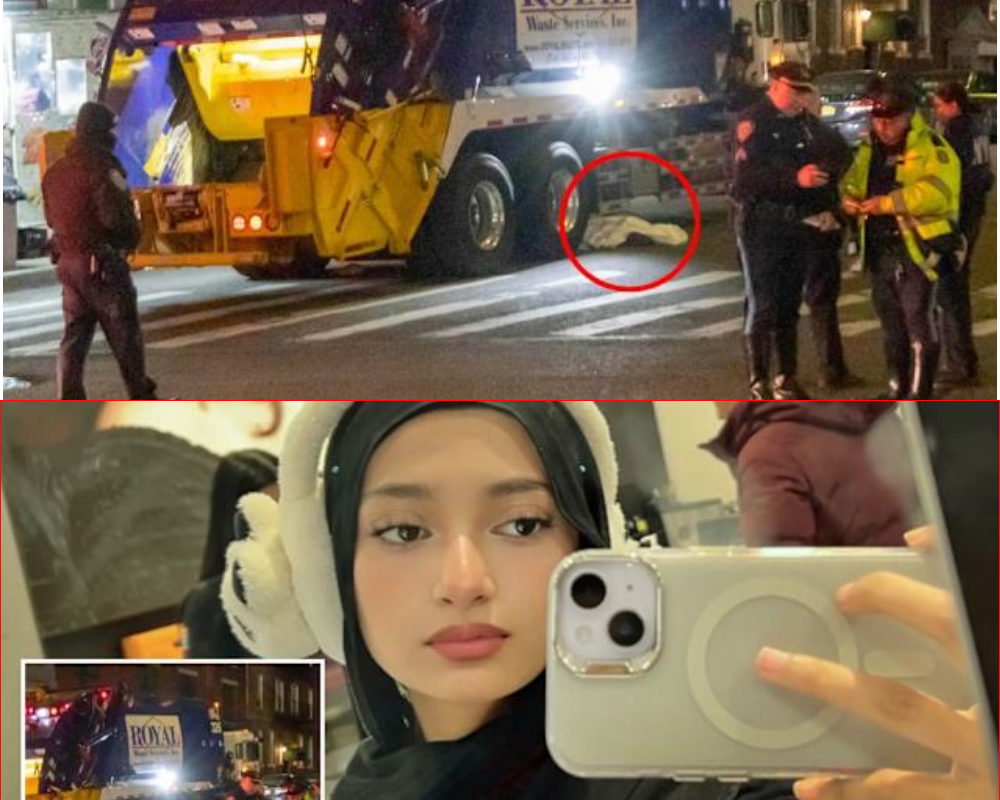
😡 From Hopeful Future to Sudden Tragedy: Young Bangladeshi Woman Killed Instantly by Massive Garbage Truck While Crossing Street in Queens 🔥
A 19-year-old receptionist named Nishath Jannath stepped into a marked crosswalk in Woodside, Queens, late on a Sunday night, just minutes from the family apartment where she lived with her…
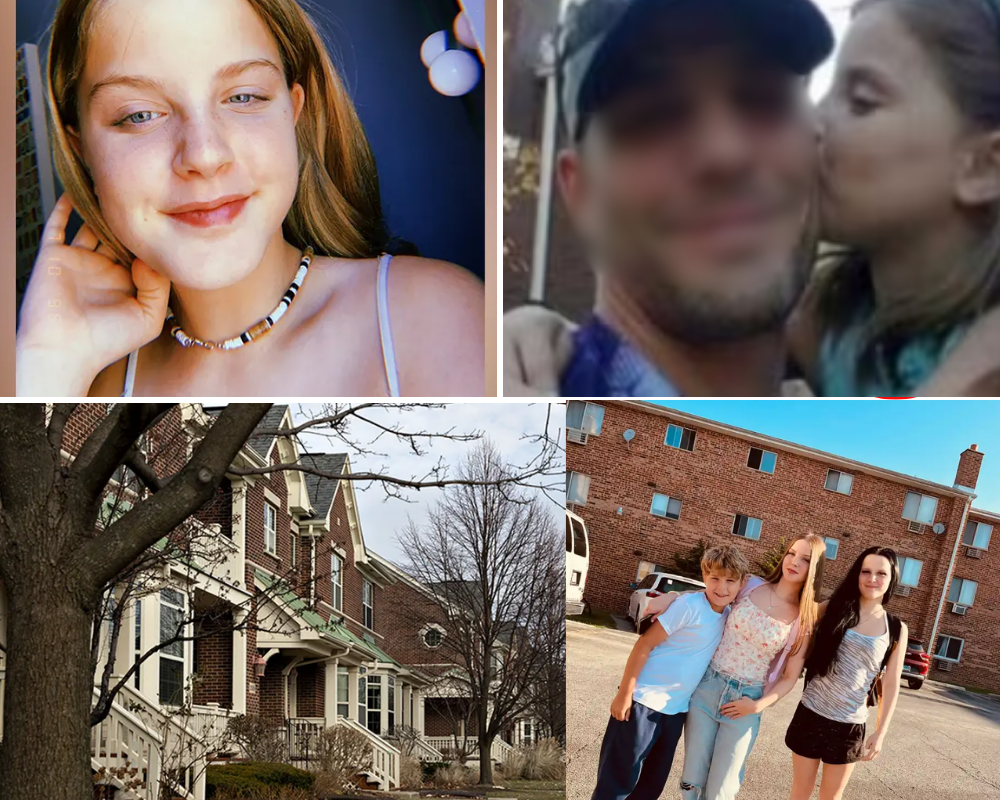
😲 Kindhearted High School Sophomore Executed in Quiet Upscale Suburb – Police Rush to Catch Her Killer But Refuse to Name or Describe Him… What’s Being Hidden? 🔥
A 16-year-old sophomore at Glenbrook South High School, known for her gentle smile and quiet optimism, was shot and killed inside her apartment in one of Chicago’s most affluent northern…
End of content
No more pages to load