On a quiet Christmas Eve morning in northwest Bexar County, Texas, what began as a routine moment shattered into a nightmare that has gripped a family, a community, and now the nation. Nineteen-year-old Camila Mendoza Olmos, a vibrant young U.S. citizen with her whole life ahead of her, stepped out of her family home and vanished without a trace. As days turn into a harrowing week, authorities have issued a chilling warning: Camila is believed to be in “imminent danger.” The Bexar County Sheriff’s Office, backed by the FBI and Department of Homeland Security, is pursuing every lead in a case that evokes the deepest fears of parents everywhere—foul play, human trafficking, or a personal crisis spiraling out of control.
Camila’s disappearance unfolded on December 24, 2025, in the serene suburban neighborhood along the 11000 block of Caspian Spring. Surveillance footage from a neighbor’s camera captured the last known sighting of her at approximately 6:58 a.m. In the grainy video, a figure believed to be Camila is seen rummaging through her vehicle, searching for an unidentified item. Moments later, she walks away on foot, leaving behind her car, her belongings, and—most alarmingly—her cell phone charging on her bed. Her mother, Rosario Olmos, who had been sleeping beside her daughter that night, felt Camila rise from the bed but thought nothing of it at first. “I felt her get up,” Rosario later recounted in heart-wrenching interviews, “but I went back to sleep.”
About 90 minutes later, Rosario awoke to an empty house. Assuming Camila had gone for one of her customary morning walks—a healthy habit the active teen often enjoyed—she waited. But as minutes stretched into hours, panic set in. Rosario charged the phone left behind, called Camila’s boyfriend and father (both of whom confirmed they hadn’t seen her), and scoured the neighborhood herself. “I put it to charge and went out to look for her,” Rosario told local media. “I thought I would find her like other times, walking, and we would come home together.” When those efforts yielded nothing, she alerted authorities, igniting a search that has only grown more urgent.
Described by the Bexar County Sheriff’s Office as standing 5 feet 4 inches tall and weighing around 110 pounds, with dark hair, Camila was last seen wearing a baby-blue and black hoodie, matching baby-blue pajama bottoms, and white shoes. Photos released by authorities show a young woman with a warm smile, full of youthful promise. Friends and family paint a picture of a loving, outgoing girl—”full of love,” as her childhood best friend Camila Estrella described her. The two spoke on the phone just the day before her disappearance, excitedly planning a shopping trip for a dress. “She said, ‘Bye Cami, I love you,'” Estrella recalled, her voice breaking with emotion.
Yet beneath this portrait of normalcy lie troubling details that have elevated the case to one of grave concern. Bexar County Sheriff Javier Salazar, a seasoned lawman known for his candid briefings, has been unequivocal: there is sufficient evidence to believe Camila faces “imminent danger.” In statements to ABC News and local outlets, Salazar revealed that investigators are not ruling out kidnapping or human trafficking—dark possibilities made all the more plausible by the area’s reputation as a corridor for such crimes. “We definitely don’t want to miss anything,” he said, noting that the investigation could extend “outside the borders of the continental United States.” The involvement of the Department of Homeland Security, monitoring borders and international travel, underscores this fear. The FBI has also joined the effort, bringing federal resources to bear.
Adding to the mystery, Camila left her phone behind—an act Sheriff Salazar called “highly unusual” for someone of her generation and active lifestyle. She took only her car keys and possibly her driver’s license, leaving her vehicle in the driveway. No signs of forced entry or struggle were reported at the home, and her recent mutual breakup with a boyfriend has been deemed non-suspicious, with all close contacts fully cooperating. Yet mental health concerns have surfaced as a potential factor, with authorities hinting at underlying struggles that might have contributed to her departure.
The family’s anguish is palpable. Rosario Olmos has pleaded publicly for her daughter’s return, her voice trembling as she appeals to the community for prayers. “I only ask God to please bring her back home,” she has said. Camila’s father, Alfonso Mendoza, rushed from California to join the search, directly addressing his daughter in media interviews: “Please come home… Daddy’s missing you.” Her brother Carlos returned home immediately, and aunt Nancy Olmos has been a vocal force on social media, posting heartfelt messages: “Cami needs us. By the grace of Jesus Christ, we will find you, Cami.”
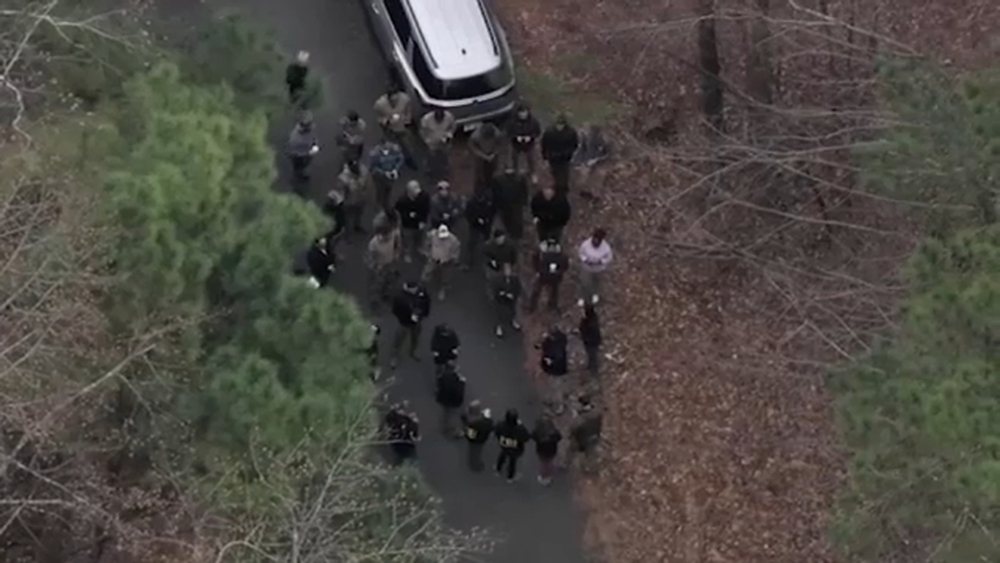
Community response has been overwhelming. Volunteers, friends, and strangers have rallied, organizing search parties from a base at Wildhorse HOA Sports Park. Flyers blanket the area, and ground searches—covering square miles with deputies, drones, search-and-rescue teams, and even cadaver dogs—have been relentless. Despite these efforts, no breakthroughs have emerged as of December 30, 2025. A CLEAR Alert was issued shortly after her disappearance, classifying Camila as a missing adult possibly in danger, but no Amber Alert has been activated, likely due to her age and the absence of confirmed abduction evidence.
This case taps into a primal terror: the sudden vanishing of a loved one during what should be a season of joy. Christmas Eve, a time for family gatherings and celebration, turned into a vigil of despair for the Olmos-Mendoza family. As the holiday lights twinkled in neighbors’ windows, searchers combed dark streets, calling Camila’s name into the chill morning air. The contrast is stark and heartbreaking—a reminder of how fragility lurks beneath everyday routines.
Human trafficking looms large in the investigators’ minds, and for good reason. Texas, particularly areas near San Antonio, has long battled this scourge, with vulnerable young people targeted by predators exploiting highways and borders. Sheriff Salazar’s mention of potential international angles raises the specter of Camila being coerced or transported far from home, perhaps even across the border to Mexico. The fact that she is a U.S. citizen—confirmed after rumors of possible ICE detention were debunked by Salazar himself—eliminates immigration complications but does nothing to ease the dread.
Mental health, too, casts a shadow. In an era where young adults face unprecedented pressures—from social media scrutiny to post-pandemic isolation—silent struggles can erupt unexpectedly. Friends insist running away “doesn’t seem like her,” yet the deliberate leaving of her phone suggests a desire for disconnection. Was this a cry for help? A moment of overwhelm? Or something far more sinister interrupting a solitary walk?
Neighbors are asked to review surveillance footage from Christmas Eve morning, as even a fleeting glimpse could crack the case.
Camila Mendoza Olmos’s story is more than a missing persons report; it’s a rallying cry. It forces us to confront the vulnerabilities in our communities—the unseen dangers on quiet streets, the mental health crises simmering unspoken, the traffickers preying on the innocent. In a world where joy and tragedy collide without warning, her family’s plea resonates: Bring Camila home.
The clock is ticking. Somewhere out there, a young woman who left for what seemed like a simple walk may be fighting for her life. The question hangs heavy: Will she be found in time? As Sheriff Salazar works around the clock, and volunteers refuse to give up, one thing is clear—this is a story that demands attention, action, and unwavering hope. Camila, if you’re reading this: Your family loves you. The world is searching. Come home.