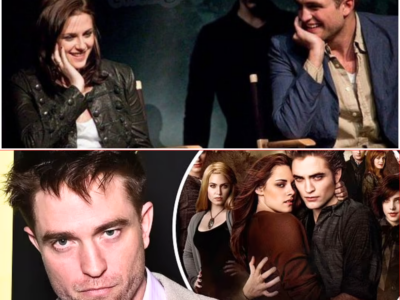
The spark of youthful intensity that once defined Robert Pattinson’s portrayal of Edward Cullen seems almost mythical to the actor himself now. Nearly two decades after he first sank his teeth into the role that catapulted him to global superstardom, Pattinson has delivered a refreshingly honest confession that has fans both nostalgic and stunned: he isn’t sure he could still pull off the skin of a killer.
In a candid new interview with Vogue, the 39-year-old British star looked back at the phenomenon that was Twilight with surprising warmth and self-aware humility. “I really love that movie,” he admitted. “I think I would have done it exactly the same. To be honest, I don’t even think I’d be able to do the performance now.” It’s a striking reflection from an actor who has spent the last 15 years deliberately distancing himself from the sparkling vampire that once defined him, only to circle back with genuine affection and a touch of envy for his younger self.
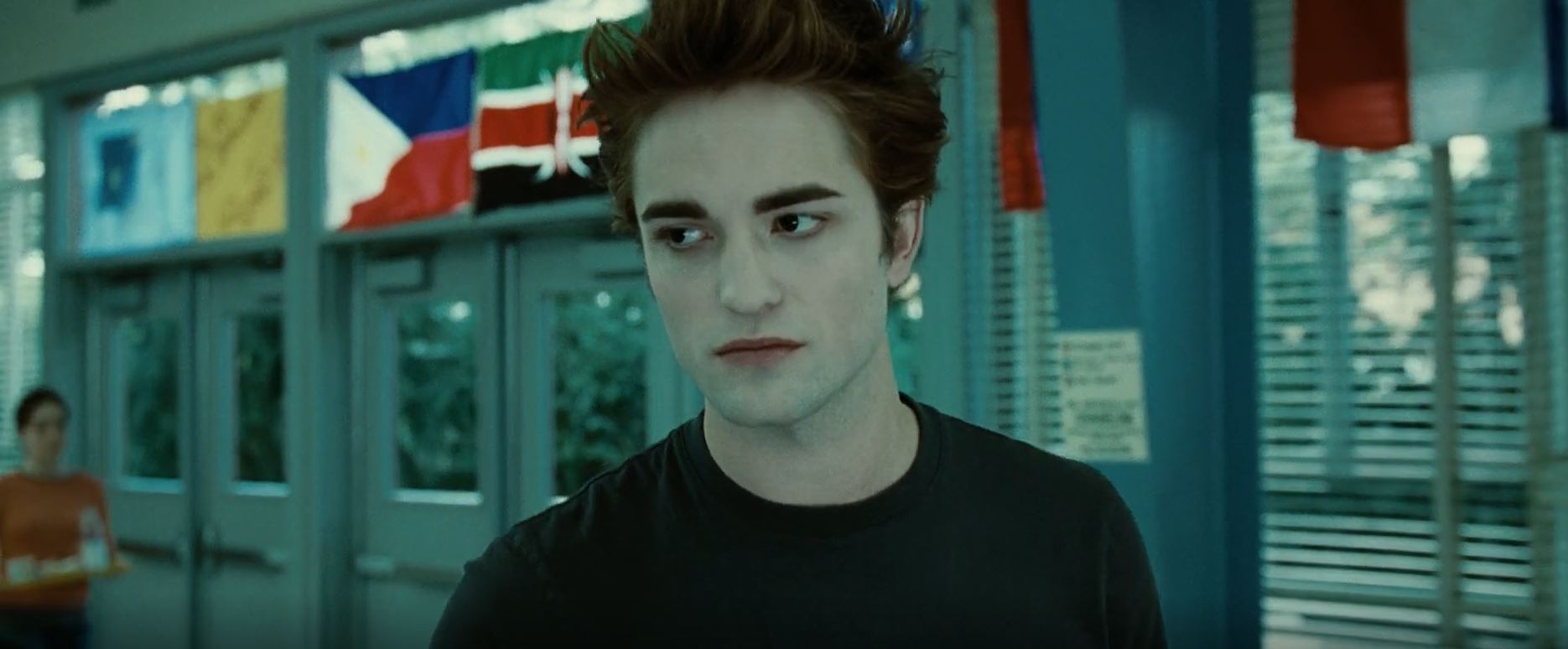
Pattinson recalled how deeply he immersed himself in the character during the filming of the first Twilight film in 2008. “There was no kind of tongue-in-cheek element,” he explained. “No one’s winking at the audience. It’s, like, very real, which is strange for a vampire romance. I envy my past self!” That total commitment — the intense stares, the brooding restraint, the almost painful sincerity — became the secret ingredient that turned a modest young-adult adaptation into a cultural juggernaut. Millions of fans worldwide fell hard for Edward Cullen precisely because Pattinson played him with such earnest conviction, never once breaking character or signaling irony.
The confession hits differently in 2026. Pattinson is no longer the lanky, pale-skinned heartthrob with perfectly tousled hair and golden contact lenses. He is a critically acclaimed leading man whose career has veered sharply into darker, more complex territory. From the tormented lighthouse keeper in The Lighthouse to the gritty, vengeance-driven Bruce Wayne in Matt Reeves’ The Batman, Pattinson has proven time and again that he possesses remarkable range and fearless commitment to challenging roles. Yet something about Edward Cullen — that pure, unfiltered intensity of a 17-year-old vampire in love — feels distant to him now.
It’s easy to understand why. When Pattinson first stepped onto the set of Twilight, he was just 22 years old, relatively unknown outside of his brief stint as Cedric Diggory in Harry Potter and the Goblet of Fire. The pressure was enormous. Stephenie Meyer’s bestselling novels had already built an enormous, passionate fanbase, and the studio needed an actor who could convincingly portray an immortal creature who is simultaneously dangerous, romantic, and deeply tortured. Pattinson dove in headfirst. He took the role “really, really, really seriously,” treating Edward’s internal struggle — the constant battle between his monstrous nature and his desire for humanity and love — with the gravity of a classical tragedy.
That seriousness paid off spectacularly. Twilight grossed over $400 million worldwide on a modest budget, spawning a five-film franchise that turned Pattinson, Kristen Stewart, and Taylor Lautner into household names. The movies became a pop-culture event, complete with midnight premieres, endless debates over Team Edward versus Team Jacob, and a merchandising empire that included everything from sparkling body glitter to life-sized cardboard cutouts of the bronze-haired vampire.
But success came with a price. For years afterward, Pattinson actively tried to shed the “heartthrob” label. He chose indie darlings, worked with visionary directors like David Cronenberg, and deliberately picked roles that were messy, morally ambiguous, or outright unlikable. He once joked in interviews that he “hated” Edward Cullen, though over time that sentiment has softened into something far more nuanced and appreciative.
Looking back in the Vogue interview, Pattinson’s tone carries a mix of pride, amusement, and wistful nostalgia. He loves the movie. He respects what it achieved. And yet he wonders aloud whether the raw, unguarded sincerity he brought to Edward is something he could still access today. At nearly 40, with a career full of heavy dramatic roles and the looming weight of playing one of cinema’s most iconic superheroes, that kind of pure, unselfconscious intensity feels like a relic of youth.
This reflection resonates deeply because it touches on a universal truth: we all change. The person we were at 22 is rarely the same as the person we are at 39. Life, experience, success, failure, and the relentless scrutiny of fame reshape us in ways both visible and invisible. Pattinson has grown into a more guarded, more layered performer — one who excels at conveying quiet torment, moral conflict, and subtle psychological depth. The wide-eyed, almost painfully earnest Edward who could stare at Bella Swan with centuries of longing in his eyes required a different kind of vulnerability, one that Pattinson now envies in his younger self.
Fans have reacted to the comments with a flood of emotions. Some feel a pang of nostalgia, flooding social media with old clips of Edward’s brooding stares and dramatic declarations of love. Others celebrate the honesty, praising Pattinson for refusing to dismiss his past work even as he has evolved far beyond it. A smaller group playfully challenges him, posting side-by-side photos of 2008 Rob versus 2026 Rob and insisting he could absolutely still “sparkle” if he wanted to.
The timing of these reflections feels particularly poignant. As Pattinson prepares to don the cape once again for The Batman Part II (slated for a 2027 release), he finds himself at another career crossroads. The first The Batman reintroduced him to blockbuster filmmaking after years of indie fare, proving he could anchor a massive franchise while still delivering a raw, grounded performance. The sequel promises to take even bigger swings, delving deeper into Gotham’s corruption and Bruce Wayne’s fractured psyche.
In many ways, the brooding intensity Pattinson brought to Batman echoes the tortured soul of Edward Cullen — both characters wrestle with darkness within themselves while trying to protect the people they love. Yet the approach is vastly different. Where Edward’s struggle was romantic and almost poetic, Batman’s is grim, relentless, and deeply psychological. Pattinson has said the script for The Batman Part II is “extraordinary” and that the film will feel “very, very different.” That evolution mirrors his own growth as an actor: from sparkling vampire to caped crusader, always searching for authenticity in wildly different skins.
Pattinson’s journey since Twilight has been anything but predictable. After the franchise wrapped with Breaking Dawn – Part 2 in 2012, he deliberately stepped away from mainstream spotlight. He starred in Cosmopolis, The Rover, Maps to the Stars, and Good Time, earning praise from critics who began to see him as a serious dramatic talent rather than just a former teen idol. His performance in The Lighthouse opposite Willem Dafoe was a masterclass in physical and emotional intensity, while his turn as the sleazy con man in The Devil All the Time showcased a darker, more menacing side.
Then came The Batman in 2022. Many skeptics doubted whether the former Edward Cullen could convincingly play the Dark Knight, but Pattinson silenced them with a brooding, obsessive, and surprisingly vulnerable portrayal. He brought a haunted quality to Bruce Wayne that felt fresh and grounded, emphasizing the character’s trauma and isolation rather than relying solely on gadgets and gravelly voice work.
Throughout it all, Pattinson has maintained a refreshingly self-deprecating sense of humor about his Twilight legacy. He has poked fun at the franchise’s more melodramatic moments in interviews, yet he never fully disowns it. In recent years, he has even expressed openness to returning to the world of Twilight under the right circumstances — joking in a Vanity Fair lie detector test that he would “definitely” do another movie if asked, adding with a laugh that he likes “taking jobs from younger actors” and wants to play 17 again.
That blend of affection and distance makes his Vogue comments all the more compelling. He isn’t rejecting Edward Cullen; he’s acknowledging how much of himself he poured into the role at a time when he was still discovering who he was as both an actor and a person. The total sincerity he brought to the performance — treating a vampire romance with the gravity of Shakespeare — is something he now views with a mixture of admiration and gentle disbelief.
It also raises fascinating questions about the nature of performance itself. Can an actor truly recapture the unfiltered energy of their younger years once life experience has added layers of cynicism, self-awareness, and emotional complexity? Pattinson seems to suggest the answer is no — or at least, not in the same way. The “skin of a killer” he once wore so effortlessly now feels like a garment from another lifetime, one he can admire from afar but isn’t sure he could slip back into without it feeling forced.
Yet that very doubt makes his reflection so human and relatable. In an industry that often demands stars remain frozen in time, Pattinson’s willingness to admit that he has changed — and that the intense young actor who played Edward might no longer exist in quite the same form — feels refreshingly authentic.
As he continues to evolve, balancing massive franchises like Batman with smaller, riskier projects, Pattinson remains one of the most intriguing figures in Hollywood. His career arc from Twilight heartthrob to respected dramatic force proves that reinvention is possible, even when the world wants to keep you locked in amber.
Whether or not he could still pull off the skin of a killer today ultimately matters less than the fact that he once did it so completely, so sincerely, that it became a defining moment not just for him, but for an entire generation of fans. That younger Rob — the one who took vampire romance deadly seriously — helped create something timeless. And the older, wiser Rob looking back with envy and affection only makes the story richer.
In the end, perhaps that’s the real magic. Edward Cullen may have been immortal, but Robert Pattinson is beautifully, undeniably human — still growing, still surprising, and still capable of making us feel something real, even when he’s simply reflecting on the past.
The “skin of a killer” might feel distant now, but the spark that once made millions believe in it continues to burn in new and unexpected ways. And for that, both longtime fans and new admirers have every reason to keep watching where this remarkable actor goes next.
News
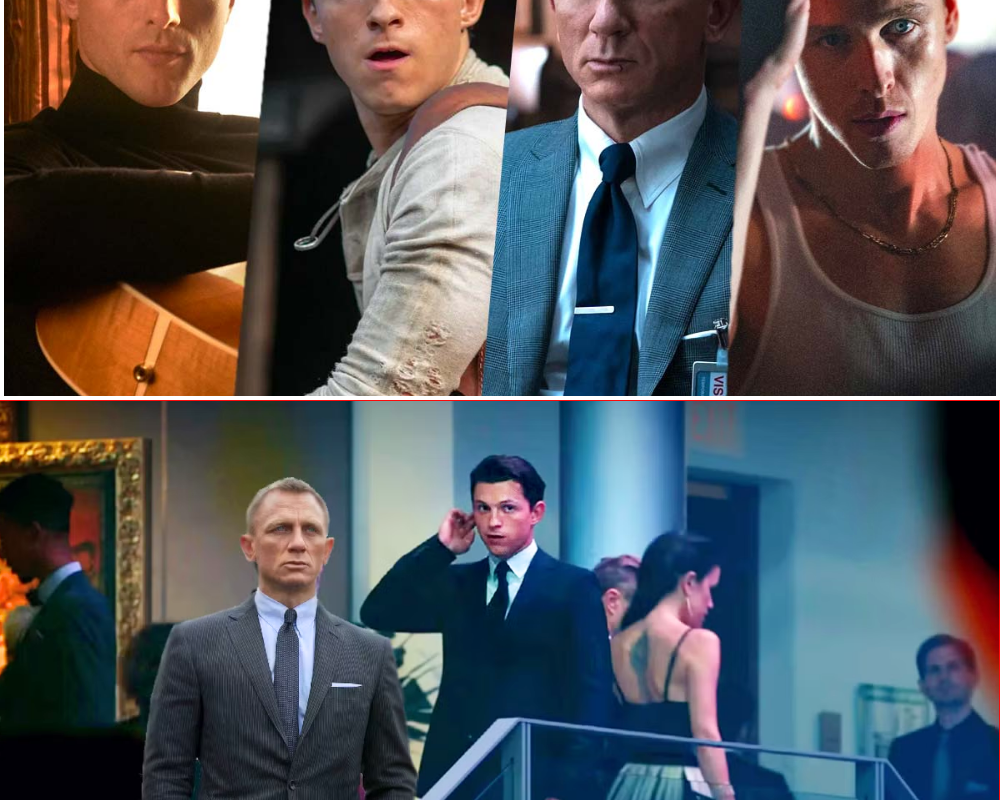
🚨 BREAKING: Tom Holland Just Got Serious Consideration for James Bond… Will Marvel Let Him Become 007? 👀
Explosive rumors are shaking the foundations of the world’s most iconic spy franchise, with whispers growing louder that Tom Holland has emerged as a serious contender to become the next…
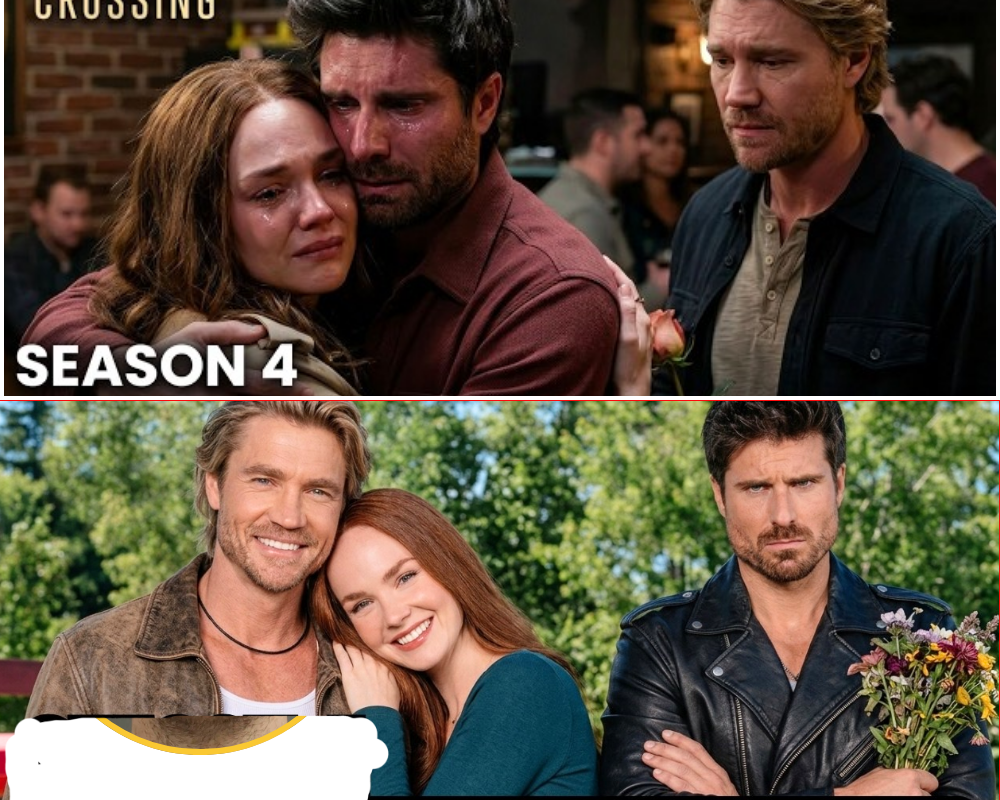
Liam Is Back… And He’s Maggie’s Husband?! The Explosive Love Triangle That’s About to Destroy Cal & Maggie in Sullivan’s Crossing Season 4 🔥
Explosive tension crackles through the misty forests and rugged trails of Sullivan’s Crossing as the hit romantic drama charges back onto screens with its most anticipated season yet. Fans who…
😱 “It May Be Too Late To Fix It…” Mel & Jack’s Darkest Secret Is Finally Coming Out In Virgin River Season 8 – Fans Are Not Ready 💔
Everything feels different heading into VIRGIN RIVER SEASON 8. As the release date draws closer, Mel and Jack must confront a truth they’ve been avoiding — and it may be…
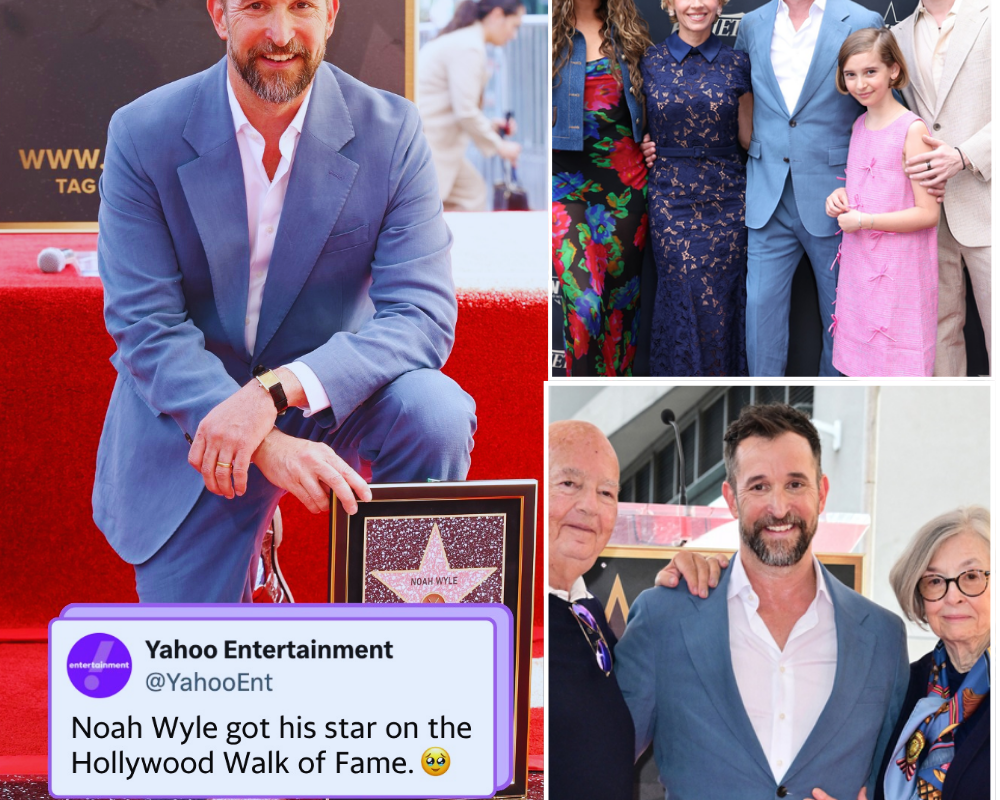
💖 “I Never Thought I’d Get This Lump In My Throat” – Noah Wyle Gets Overwhelmed & Shares Shocking Personal Confession At His Walk of Fame Star Ceremony
Paging Dr. Robby fans: Noah Wyle got his star on the Hollywood Walk of Fame! The acclaimed actor best known for “ER” and “The Pitt” got his big tribute on…

💔 “The Most Horrifying Christmas We’ve Ever Lived Through” – What Really Happened To Little Athena Strand Will Shock You 😭
Christmas 2022 wasn’t filled with gifts or laughter for one family. Athena Strand’s mother says it was the most horrifying Christmas they’ve ever lived through. A 7-year-old girl. A broken…
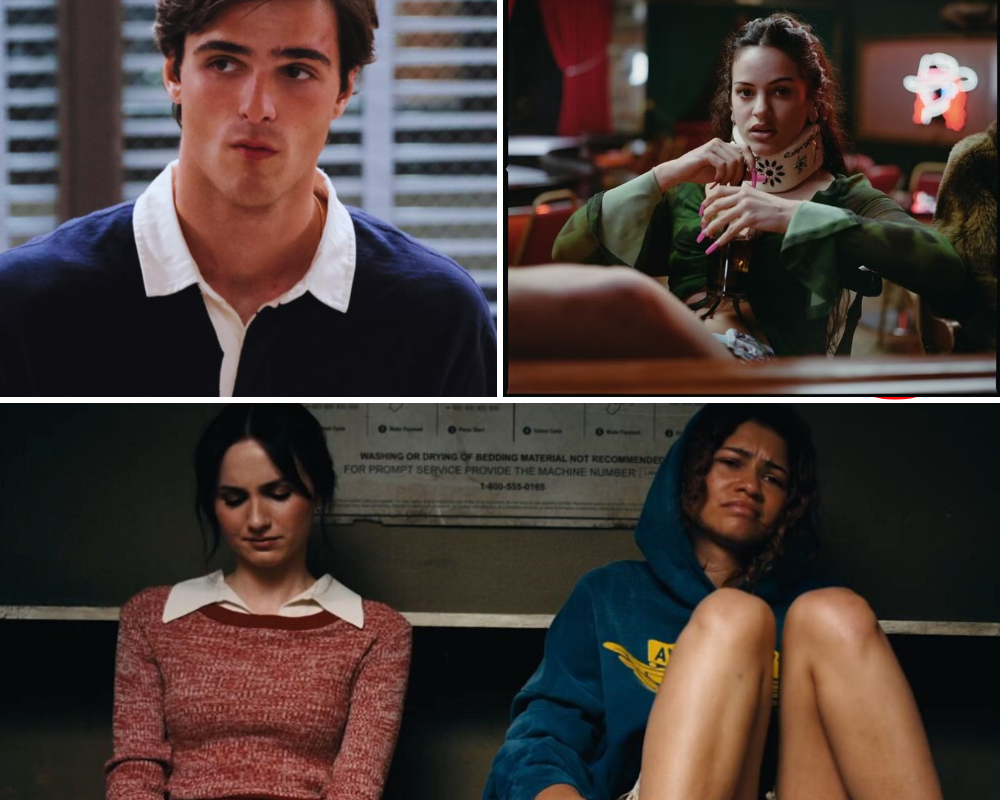
😭 “They’ve All Grown Up…” Euphoria Season 3 Review: The Most Mature, Cinematic & Heartbreaking Season Yet – Are You Ready? 💥
Euphoria Season 3 hits like a long-delayed confession you didn’t know you needed — raw, unflinching, and suddenly, shockingly grown-up. After four agonizing years of production delays, rumors, and fan…
End of content
No more pages to load