A young woman in a Barcelona hospital room slipped away on Thursday, March 27, 2026, dressed in her favorite outfit and with makeup applied just the way she wanted. Noelia Castillo, only 25 years old, had fought for this moment. She had told doctors and her family exactly how she wanted it: simple, dignified, and beautiful. “I want to die looking good,” she said in one of her final recorded statements. “I’ll wear my prettiest dress and put on makeup.” For Noelia, this was not a sudden decision born of terminal illness. It was the endpoint of years of unrelenting pain — physical, emotional, and psychological — that began with a brutal gang rape at age 21 and spiraled into a suicide attempt that left her paralyzed from the waist down. Her death, carried out under Spain’s assisted-suicide law, was legal, state-approved, and upheld by the country’s Supreme Court and even the European Court of Human Rights. Yet for many watching from afar, it felt like something far darker: a chilling warning about how quickly societies can slide from protecting the vulnerable to offering them death as a solution.
Noelia’s story did not begin in a hospital. It began on the streets of Barcelona when she was just 21. According to court documents and her own accounts, three young men attacked and gang-raped her. The trauma shattered her sense of safety and self. She had already endured previous sexual assaults, including one by a long-term boyfriend, but this assault pushed her into a darkness from which she could not escape. In despair, she climbed to the roof of a five-story building and jumped. She survived the fall, but barely. The impact crushed her spine. From that day forward, Noelia was confined to a wheelchair, her legs useless, her back and limbs throbbing with constant pain. Daily tasks that most people take for granted — eating, sleeping, leaving the house — became exhausting battles. “I don’t feel like doing anything: not going out, not eating,” she told interviewers. “Sleeping is very difficult for me, and I have back and leg pain.” Mental illness compounded the physical torment. Depression, anxiety, and the lingering horror of repeated sexual violence turned her life into what she described as “a hopeless hell on earth.”
In 2024, after Spain’s assisted-suicide law took effect, Noelia applied for euthanasia. The process was not quick. Spanish law requires multiple medical approvals, waiting periods, and confirmation that the person is of sound mind and suffering unbearably from a serious condition. Noelia’s case was complicated because her suffering stemmed from trauma and a failed suicide attempt rather than a terminal disease like cancer. Her father, devastated and fiercely protective, launched a legal battle to stop the procedure. He argued that his daughter’s mental illness — the same illness that had driven her to jump from that building — meant she could not make such a grave, irreversible decision. Conservative religious groups, including the organization Abogados Cristianos (Christian Lawyers), joined the fight, staging protests outside the medical center and filing appeals all the way to Spain’s Supreme Court. Evangelicals, Catholics, and ultraconservative activists gathered in prayer vigils, holding signs and chanting for life. Yet one by one, the courts sided with Noelia. The Supreme Court ruled in her favor. The European Court of Human Rights declined to intervene. On Thursday, the state of Spain facilitated her death.

The scene outside the hospital was tense and heartbreaking. Protesters clashed with supporters of euthanasia rights. Inside, Noelia reportedly remained calm, focused on her final wish to leave the world looking beautiful. Her words, captured in earlier interviews, still echo: “I want to go now and stop suffering, period. None of my family is in favor of euthanasia. But what about all the pain I’ve suffered during all these years?” Those words cut deep because they expose the raw desperation many people feel when systems fail them. Noelia had been failed by the justice system that never fully delivered accountability for her rapists. She had been failed by mental-health services that could not pull her back from the edge. And now, in the eyes of critics, she was being failed by a government that chose to end her life rather than invest in the long, expensive, messy work of healing.
This single case would be tragic enough on its own. But Kirsten Fleming’s powerful opinion piece in the New York Post frames it as something larger — a dystopian preview of what happens when Western nations embrace assisted suicide as a routine medical option. Spain legalized the practice in 2021, becoming one of the most permissive countries in Europe. Canada went further and faster. Its Medical Assistance in Dying (MAID) program, launched in 2016, is projected to have facilitated more than 100,000 deaths by the time it marks its 10-year anniversary this June. What began as a narrowly tailored law for terminally ill adults has expanded dramatically. In December 2025, 26-year-old Kiano Vafaeian was euthanized in Canada. He suffered from diabetes, vision problems, and seasonal depression — conditions that, while serious, were not terminal. His mother, Margaret Marsilla, fought desperately to stop the process. “We never thought there would be a chance that any doctor would approve a 22- or 23-year-old at that time for MAID because of diabetes or blindness,” she said. Yet the approval came anyway. Canada’s euthanasia numbers keep climbing, and critics warn that the country has turned death into something resembling a national industry.
Across the Atlantic, the United States is inching down the same path. Ten states plus the District of Columbia already allow some form of medical aid in dying. Last month, New York Governor Kathy Hochul signed a new law that will take effect in June, allowing terminally ill New Yorkers with less than six months to live to request assisted death. The bill includes guardrails — a five-day waiting period, video or audio recording of the request, and opt-outs for religiously oriented hospice providers — but opponents fear those protections will erode over time. Hochul justified the legislation by sharing her own painful experience: “My mother died of ALS, and I am all too familiar with the pain of seeing someone you love suffer and being powerless to stop it.” The law, she said, would “allow New Yorkers to suffer less — to shorten not their lives, but their deaths.” On paper, it sounds compassionate. In practice, as Noelia’s case shows, the line between terminal illness and unbearable suffering can blur dangerously when mental health, trauma, and chronic pain enter the equation.
What makes Noelia Castillo’s story so disturbing is how ordinary her suffering was in the eyes of the system. She was not dying of cancer. She was not in the final stages of a degenerative disease. She was a young woman whose life had been shattered by violence and a failed suicide attempt. Her paralysis was permanent, her pain chronic, her mental state fragile. Yet instead of pouring resources into trauma-informed therapy, accessible mental-health care, better pain management, or even innovative rehabilitation technologies, the Spanish government ultimately offered her a lethal injection. Critics argue this reflects a deeper cultural shift in the West: a move away from the sacredness of life toward a utilitarian view where death becomes just another healthcare choice. When the state becomes the provider of last resort for ending life, the incentive to fix underlying problems — poverty, loneliness, inadequate disability support, sexual violence prevention — diminishes. Why invest billions in better mental-health services when a cheaper, quicker option exists?
The slippery-slope argument is not abstract. In Canada, MAID has expanded to include cases involving mental illness alone, with further broadening scheduled for 2027. Reports have surfaced of veterans being offered euthanasia instead of timely treatment for PTSD. In the Netherlands and Belgium, children and people with autism or intellectual disabilities have accessed assisted death under certain conditions. Each expansion begins with compassionate language about autonomy and dignity, yet the body count grows and the criteria loosen. Noelia’s father understood this danger instinctively. He fought not because he wanted his daughter to suffer, but because he believed society had a duty to protect her from a decision made in the depths of trauma and despair. His loss in court sent a clear message: once the law opens the door, even a parent’s desperate plea may not be enough.
Beyond the legal and medical debates lies a profound philosophical question that every reader must confront. What does it say about a civilization when it tells a 25-year-old paralyzed rape survivor that the best solution to her pain is death? Noelia’s final wish to “die looking beautiful” carries heartbreaking irony. She wanted dignity in her exit, yet the circumstances that led her there — repeated sexual violence, inadequate support after her suicide attempt, a healthcare system quicker to approve death than to fund long-term healing — suggest a profound failure of dignity at every earlier stage. Her case forces us to ask whether assisted suicide is truly about compassion or whether it masks a societal unwillingness to bear the cost of caring for the broken, the traumatized, and the chronically ill.

The protests outside the Barcelona hospital captured this tension. Religious groups, families, and disability-rights advocates stood shoulder to shoulder, arguing that every life has inherent value regardless of suffering. Supporters of euthanasia rights countered that forcing someone to endure unbearable pain violates personal autonomy. Both sides claim the moral high ground. Yet the data from countries with longer experience suggests the autonomy argument often gives way to convenience. When waiting lists for therapy stretch for months but euthanasia approvals can be processed in weeks, the system itself begins to steer vulnerable people toward death. Noelia herself acknowledged that her family opposed her choice. “None of my family is in favor of euthanasia,” she said. Still, the courts prioritized her stated wish over their concerns about her mental capacity.
As the West watches Spain, Canada, and now New York move further into this territory, Noelia Castillo’s death stands as a stark cautionary tale. It is easy to dismiss her story as distant, foreign, or unique to her particular trauma. But the pattern is repeating. Young people with non-terminal conditions are receiving lethal prescriptions. Families are being overruled. Mental illness is being treated as a qualifying factor rather than a reason for deeper intervention. The state, once tasked with protecting life and maintaining order, is now in the business of facilitating its end. Fleming’s opinion piece cuts to the heart of the matter: governments should fix potholes, keep citizens safe from violence, and maintain the basic infrastructure of a functioning society — not become merchants of mercy killing.
Noelia wanted her suffering to end. That desire is understandable, human, and heartbreaking. Yet the manner of its ending — state-sanctioned, court-approved, and cheered by some as progress — raises uncomfortable questions about the kind of society we are becoming. Are we truly advancing human dignity when we offer death as the solution to trauma that could, with enough resources and compassion, be mitigated? Or are we quietly admitting defeat, choosing the cheaper, cleaner option over the harder, more expensive work of restoration?
The images from Barcelona on Thursday — the protests, the quiet hospital room, the young woman in her prettiest dress — will linger in the minds of those who believe life is worth fighting for at every stage. Noelia Castillo’s final words expressed exhaustion and a longing for peace. Her death, however, should not bring peace to policymakers in the West. Instead, it should serve as a loud, urgent alarm. Once a nation decides that some lives are no longer worth the effort to save, the list of “some lives” has a way of growing longer. Today it is a paralyzed rape survivor in Spain. Tomorrow it could be a depressed veteran in Canada or a terminally ill but mentally fragile patient in New York. The slope is not hypothetical. It is already slippery, and it is steepening.
For readers wrestling with their own views on end-of-life choices, Noelia’s case demands honest reflection. Compassion for suffering is essential. But so is courage — the courage to build systems that heal rather than hasten death, to protect the vulnerable rather than offer them an exit, and to affirm that even in the darkest moments, a person’s life retains infinite value. Noelia Castillo wanted to stop suffering. The deeper tragedy is that her society ultimately agreed the fastest way to grant that wish was to help her die. That decision, however well-intentioned, should trouble every Western democracy currently expanding assisted-suicide laws. It is not just one woman’s story. It is a warning — clear, urgent, and impossible to ignore.
News
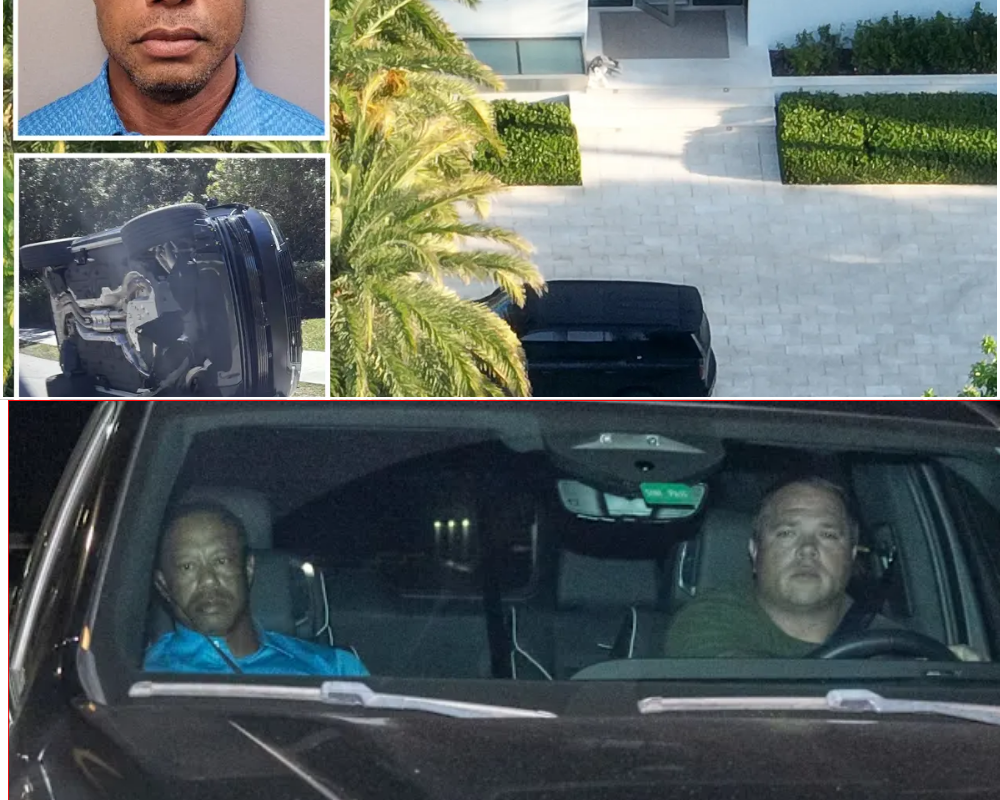
🔥 Shocking Drone Footage: Tiger Woods’ Mansion Door Wide Open Hours After Rollover Crash & DUI Arrest — What Happened?
The drone hovered silently over the exclusive enclave of Jupiter Island, Florida, capturing images that would send shockwaves through the golf world and beyond. It was 8:30 a.m. on Saturday,…
🔥 Missing American Airlines Crew Member Found Dead in Colombia — Family Fears He Was Drugged With Terrifying “Devil’s Breath” 😲
A body was discovered in a remote stretch of Colombian countryside, sending shockwaves through the aviation world and reigniting fears about one of the most terrifying drugs on the planet….
🤯 Luke Bryan Boldly Predicts Braden Rumfelt Will Win American Idol 2026 — “He May Win the Whole Thing!” 👀🎤
😱 Luke Bryan Just Dropped a MASSIVE Prediction on American Idol: “He May Win the Whole Thing!” – Fans Are Losing Their Minds 🔥🎤 During a high-stakes Hollywood Week episode…
😱 “I Never Thought I’d Hear This” — Braden Rumfelt’s Surprising Confession When Everyone Starts Calling Him the 2026 Idol Winner!
The small mountain town of Murphy, North Carolina, woke up buzzing on a crisp February morning in 2026. Nestled in the westernmost corner of the state, where the Appalachian foothills…
😱 From Ice to Stage: Alysa Liu Tells Taylor Swift “You Helped Us Win Gold” in Front of the Whole World — Full Story! ⛸️🎤
The Dolby Theatre in Los Angeles glittered under the bright lights of the 2026 iHeartRadio Music Awards as the music industry’s biggest night unfolded with its signature blend of star…
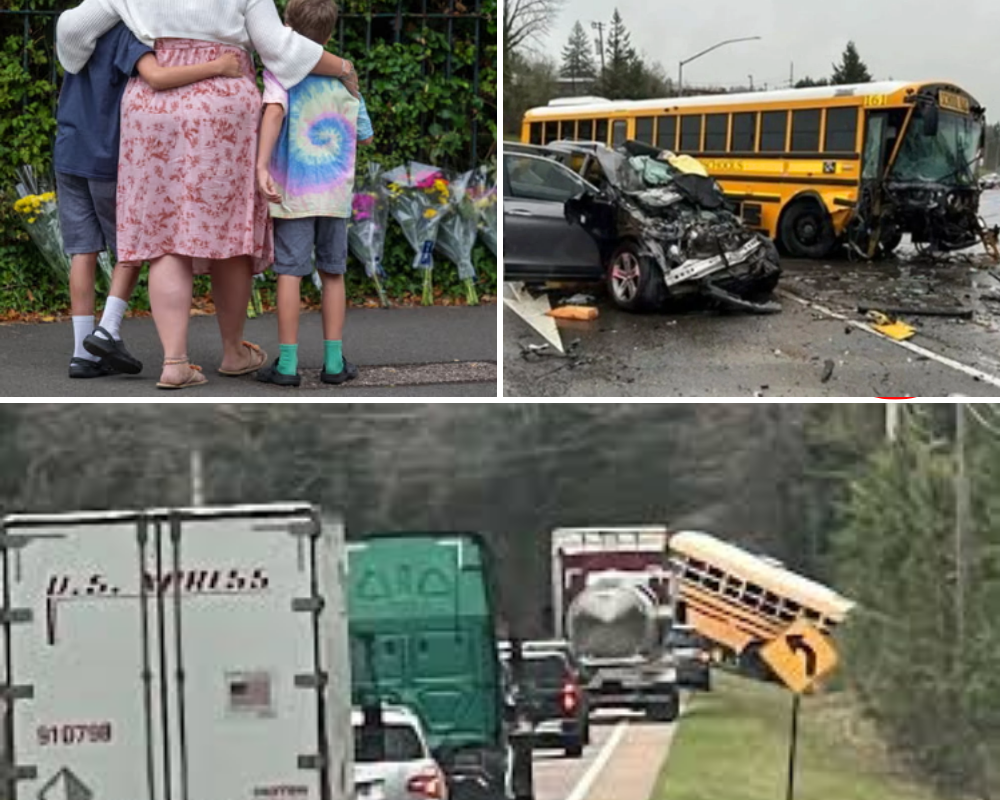
💔 TRAGEDY ON HIGHWAY 70: Two Innocent Middle Schoolers Lost Their Lives in Horrific School Bus Crash During Field Trip 😭 What was supposed to be a fun day turned deadly… Full story 👇
The midday sun hung high over Highway 70 in rural Carroll County as laughter and chatter filled the yellow school bus carrying 25 excited middle schoolers and five adults from…
End of content
No more pages to load