😭 “He Was My Everything” — High School Sweetheart Sentenced to 17 Years After Killing Her Boyfriend. The Twist in Court Had Families in Tears 💔🏛️
Teen Sentenced in Tragic High School Relationship Incident
A Miami courtroom became the focal point of profound loss and reflection as an 18-year-old woman received her sentence for her role in the death of her 17-year-old high school boyfriend, a standout student and athlete whose future held significant promise. The case, which unfolded over more than a year, highlighted the complexities of young relationships, personal accountability, and the lasting consequences of choices made in moments of heightened emotion.

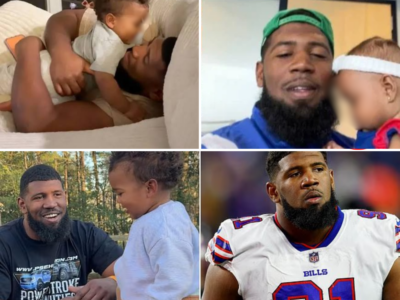
Yahkeim Lollar, described by those who knew him as a dedicated scholar and talented football player at Miami Northwestern Senior High School, had a bright path ahead. Friends and family remembered him as someone who excelled academically and athletically, embodying the potential that many young people in his community aspired to achieve. His passing in December 2024 left a void that those closest to him continue to navigate daily.
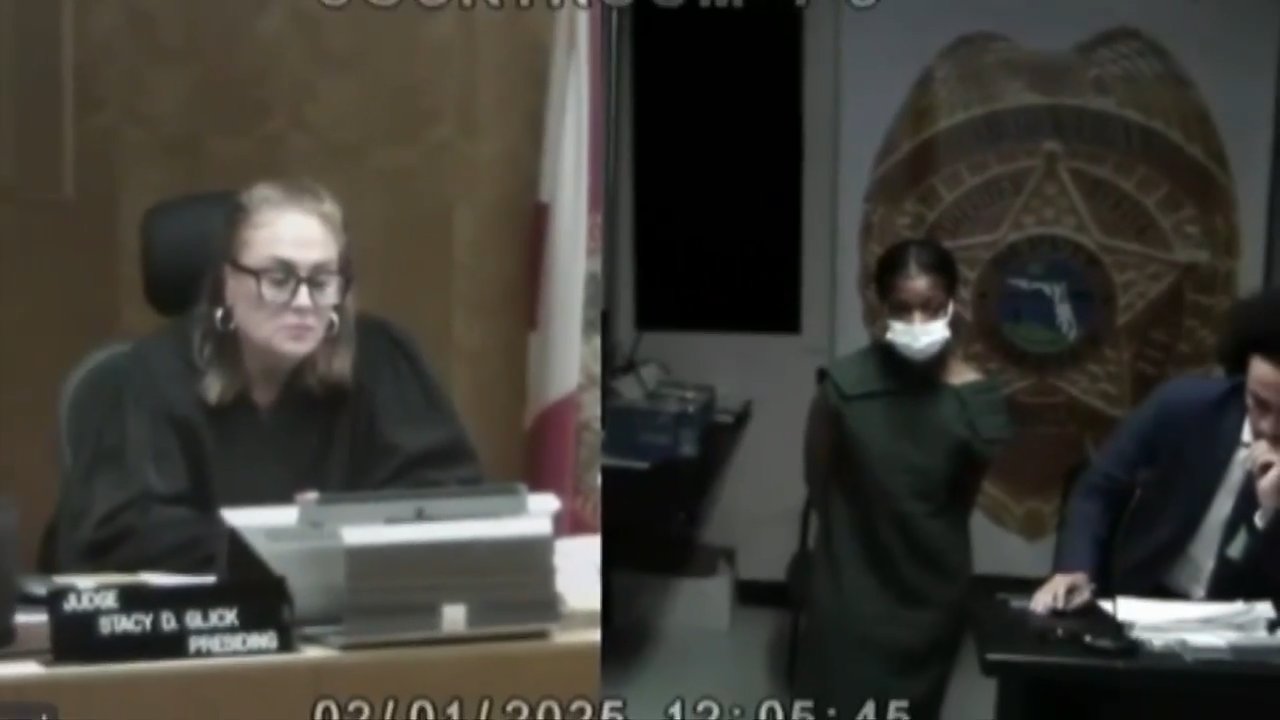
Jahara Malik, who was in a relationship with Lollar at the time, entered a plea of guilty to manslaughter in March 2026. The proceedings allowed the court to determine an appropriate outcome without a formal agreement between parties. Prosecutors had recommended a term of 20 years in custody along with extended supervision, while members of Lollar’s family advocated for the fullest measure permitted under the law. On May 5, 2026, Miami-Dade Circuit Court Judge Christine Hernandez issued a ruling of 17 years in state prison followed by five years of probation. Additional requirements include a mental health assessment and annual written reflections on the anniversary of the incident to consider its broader effects.
Before the decision was announced, statements from both sides offered glimpses into the deep sorrow and differing perspectives surrounding the events. Lollar’s mother, Nathalie Jean, spoke of her son’s value and the need for a resolution that honored his memory. “We just want what my son deserved,” she told the court. “His life matters.” Other relatives expressed their ongoing grief and frustration with the handling of the matter, emphasizing the irreplaceable nature of the loss.
Malik addressed the court directly, acknowledging the harm that resulted from her actions. “I was wrong for what I did, and every day I sit and think about the damage I caused,” she said. She described Lollar as her closest confidant and expressed a wish to reverse the sequence of events, noting the permanent weight she now carries. “This was my best friend, my love… He was a good person and definitely should have been here. This is just a sad situation. I miss him every day.”
The judge, in delivering the sentence, noted indications of remorse on Malik’s part while also referencing details from the presented materials that suggested the incident involved more than a simple lapse. The amount of force involved was highlighted as inconsistent with claims of pure happenstance during casual interaction.
This outcome represents a measured judicial response in a case that drew significant local attention due to the ages of those involved and the promising trajectory of the young man at its center. Lollar’s family has indicated they may pursue further review of the decision, underscoring their sense that fuller accountability was warranted.
Background of the Individuals Involved
Yahkeim Lollar stood out at his high school not only for his athletic achievements on the football field but also for his consistent academic performance. Those familiar with him painted a picture of a motivated teenager who balanced sports, studies, and personal relationships with apparent dedication. His involvement in school activities positioned him as a role model for peers, someone whose discipline and positive outlook inspired others.
Details about Jahara Malik prior to the incident are less extensively documented in public reports, but court statements portrayed her as someone who shared a close bond with Lollar, referring to him as a source of support and understanding. The relationship, like many in the high school years, appeared to involve the typical ups and downs that accompany adolescence and first loves. What began as a connection between two young people ended in circumstances that neither family could have anticipated.
The incident occurred on December 20, 2024, amid what accounts described as an exchange between the pair. Initial characterizations from Malik’s side pointed to an unintended escalation during physical playfulness, but subsequent legal examination brought forward evidence that shaped the manslaughter determination and sentencing considerations.
The Legal Proceedings Step by Step
Following the events of late 2024, Malik faced charges that evolved through the investigative and prosecutorial phases. By March 2026, she opted for a guilty plea to the manslaughter count, forgoing a trial that might have extended the process for all parties. This approach placed the sentencing authority squarely with the judge, allowing input from prosecutors, defense representatives, and victim impact statements.
Court hearings provided space for Lollar’s relatives to voice their experiences. His aunt, for instance, conveyed the family’s enduring pain and directed pointed remarks toward Malik regarding the suffering inflicted. His father also stood to affirm his son’s worth and question aspects of how the case progressed through the system.
Malik’s expressions of regret were noted by observers, yet the judicial assessment weighed these against other factors, including the physical details of the event. The sentence of 17 years in prison with probation to follow strikes a balance between recognizing the severity and allowing for a structured period of supervision upon eventual release. The added stipulations around mental health support and reflective writing aim to encourage ongoing personal development and awareness of the human cost involved.
Legal experts following similar cases often point out that outcomes in youth-involved incidents can vary based on factors such as prior records, demonstrated intent levels, and community context. In Florida, manslaughter statutes carry significant ranges, and judges exercise discretion within guidelines while considering all testimony.
Broader Context of Youth Relationships and Conflict
Tragic outcomes in teenage relationships, while not commonplace, surface periodically in news coverage across the United States. They often prompt discussions among educators, parents, and policymakers about emotional regulation, conflict resolution skills, and access to supportive resources during formative years.
High school environments bring together individuals navigating identity formation, peer pressures, academic demands, and emerging romantic interests. When disagreements arise, the intensity can feel amplified by limited life experience and developing impulse control. Programs focused on healthy relationship education seek to equip young people with tools to de-escalate situations and seek help when needed.
In Miami-Dade County and similar urban settings, community organizations work to provide mentorship, counseling, and recreational outlets that channel youthful energy positively. Lollar’s profile as a student-athlete exemplified the benefits of such engagement, yet the case also illustrates how personal dynamics can intersect with these supports in unforeseen ways.
Public reactions to the sentencing have been mixed, with some emphasizing the need for consequences that deter similar lapses while others highlight opportunities for rehabilitation given the defendant’s age at the time. Online commentary and local media reflect the emotional investment many feel when young lives are involved.
Family Perspectives and Ongoing Grief
The statements delivered in court captured the multifaceted nature of loss. For Lollar’s mother, the priority remained honoring her son’s memory and ensuring the legal process recognized his potential. She articulated a desire to avoid leaving the proceedings with renewed sorrow, as if experiencing the absence anew.
Other family members echoed themes of justice and the irreplaceable qualities Lollar brought to their lives—his smile, ambition, and role within the household. Their calls for a longer custodial term reflected a belief that the penalty should closely mirror the years taken from their loved one.
Malik’s family, though less prominently featured in reports, presumably grappled with their own blend of concern for her future and sorrow over the circumstances. The ripple effects of such events extend to siblings, extended relatives, and friends on both sides, creating layers of complicated mourning.
One uncle of Lollar summarized the shared difficulty: situations like this often result in losses for everyone involved, regardless of the specific ruling.
Judicial Considerations and Sentencing Rationale
Judge Hernandez’s decision incorporated several elements. Acknowledgment of Malik’s expressed remorse was tempered by an evaluation of the incident’s characteristics, particularly the physical dynamics that suggested deliberation beyond mere accident. The ruling avoided the maximum but imposed a substantial period of incarceration, signaling the gravity while incorporating probation and rehabilitative measures.
Such balanced approaches appear in many sentencing hearings where defendants are young and demonstrate capacity for change. The annual letter requirement serves as a unique mechanism to maintain connection to the impact, potentially fostering empathy and responsibility over time.
Florida’s justice system for these matters balances punishment, deterrence, and rehabilitation, especially for those under 18 at the time of events, though Malik had turned 18 by plea and sentencing. The case did not involve juvenile court transfer complexities in its final stages.
Community and Societal Reflections
Incidents of this nature often lead to renewed calls for greater emphasis on emotional intelligence curricula in schools. Counselors and youth advocates stress the importance of recognizing warning signs in relationships—intense arguments, jealousy, or difficulty managing anger—and intervening early.
Miami’s diverse communities have resources ranging from faith-based support groups to nonprofit initiatives aimed at violence prevention and conflict mediation. Whether this case will spark additional local efforts remains to be seen, but it joins a broader national conversation about safeguarding adolescent well-being.
Athletic programs, in particular, sometimes integrate character development alongside physical training, reinforcing values like teamwork, discipline, and respect that could translate to personal interactions.
Life After the Courtroom
For Malik, the coming years will involve the structured environment of the correctional system, where she may have access to educational and therapeutic programs. Upon completion of the prison term, the probation period will impose conditions designed to support reintegration and continued accountability.
Lollar’s family faces the longer journey of living without him. Memorials, scholarship funds in his name, or community events honoring his legacy could emerge as ways to channel their grief into positive action, though nothing fully replaces a lost child or sibling.
The case underscores a fundamental truth: decisions made in seconds can reshape countless futures. It invites reflection on how society equips its youngest members to handle the complexities of love, disagreement, and personal responsibility.
As details continue to resonate in local discussions, the focus remains on the human stories at the core— a talented young man whose light dimmed too soon and those left to carry forward in the aftermath. The judicial resolution provides a legal endpoint, yet the emotional and communal processing will likely endure for years.