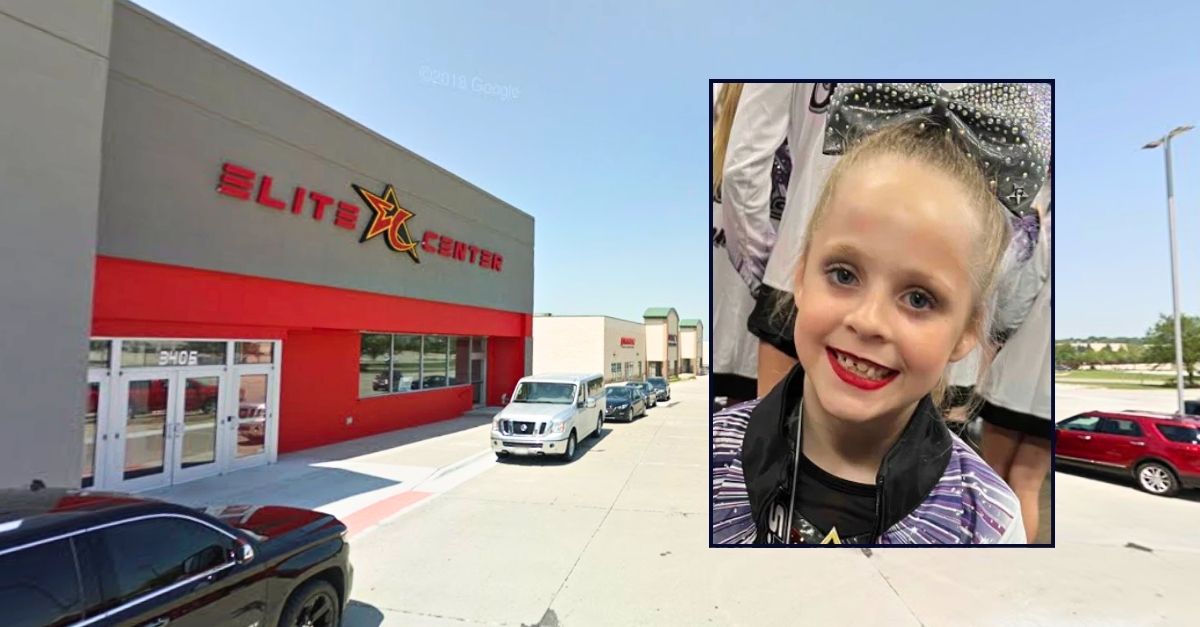
Reese Bryan was an eight-year-old bundle of energy whose smile could brighten the gloomiest Omaha gym. A dedicated member of the Elite Cheer Team, she flipped, tumbled, and sparkled with the kind of fearless joy that made her coaches proud and her teammates adore her. Described by her devastated family as “vibrant, loving, beautiful, caring, generous, a beast of an athlete, smart, and an AMAZING little girl,” Reese lived for the rush of cheerleading—the chants, the stunts, the unbreakable bonds formed on the mat. She was the child who lit up competitions, who hugged everyone after a routine, who dreamed big in a sport that demands perfection from even the youngest athletes.
Tragically, that dream ended in unimaginable heartbreak. On January 29, 2024, during a routine practice at Elite Cheer Team in Omaha, Nebraska, Reese collapsed after performing backflips, back handsprings, and intense tumbling. What began as vomiting quickly escalated into something far more sinister: her face drooped on one side, she slurred her words, shook uncontrollably, grew cold, and could no longer stand or walk. Her mother, Amanda Bryan, received a text from the gym alerting her to the vomiting—but by the time she rushed there, the scene was terrifying. Reese was in full neurological crisis.
Rushed to the hospital, Reese fought for three agonizing weeks. Doctors battled to stabilize her amid a massive brain bleed that caused devastating intracranial pressure. On February 23, 2024, she passed away, leaving her parents, Tracy and Amanda Bryan, and an entire community shattered. The full, horrifying truth emerged months later: an October 2024 autopsy revealed an undetected pilocytic astrocytoma—a small, low-grade but cancerous brain tumor that had been silently growing. This highly treatable tumor had bled catastrophically, and the family now alleges it went undiagnosed and untreated due to failures by both medical professionals and her cheer coaches.
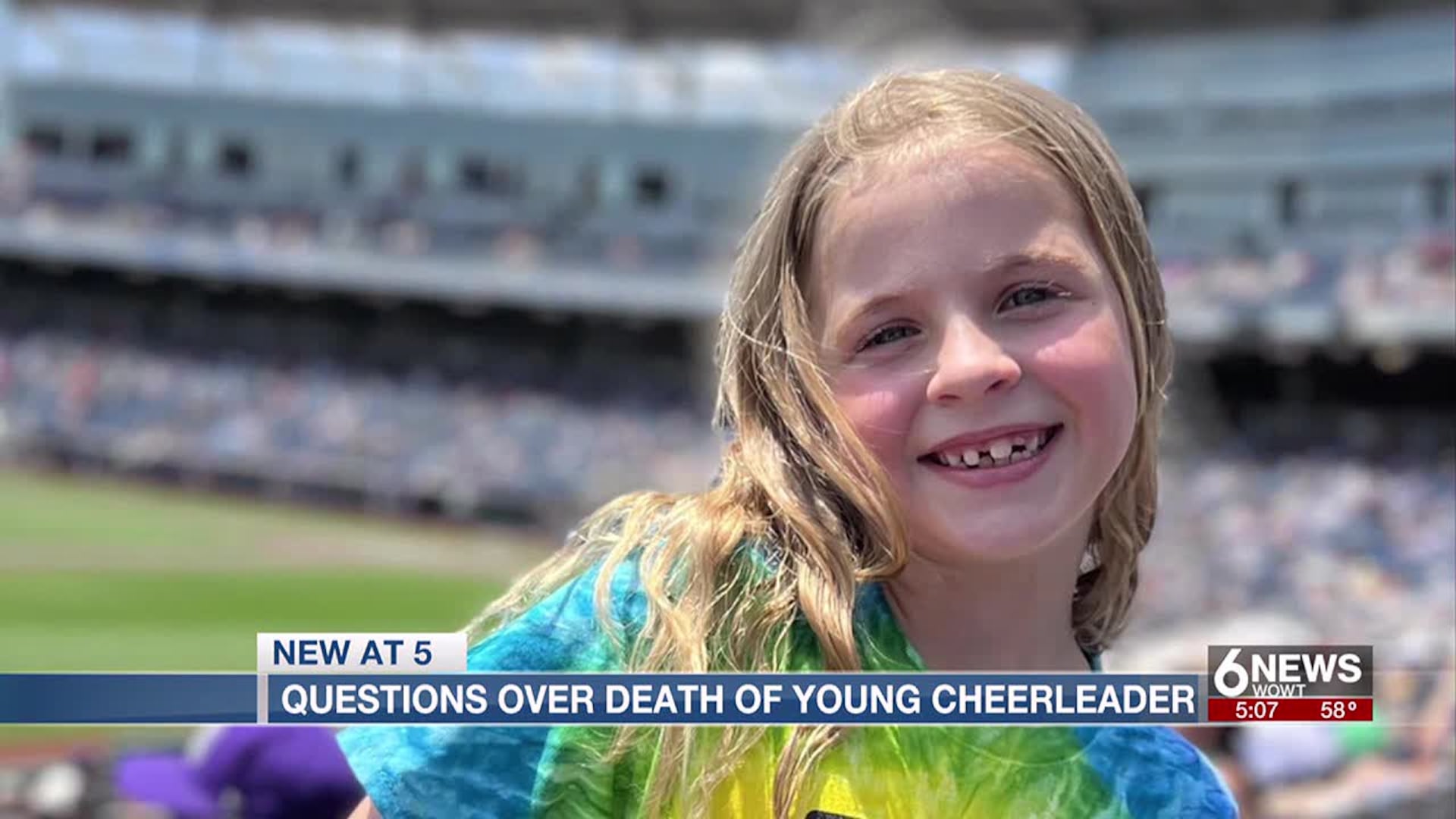
The nightmare began weeks earlier. On January 20, 2024, at a cheerleading competition in Kansas City, Reese suddenly collapsed. She experienced dizziness, horizontal nystagmus (involuntary eye movements), and ptosis (drooping eyelid) on her right eye—classic red flags for a neurological emergency. Her parents scooped her up and drove back to Omaha the next day. At urgent care, she tested positive for strep throat and was prescribed antibiotics. When symptoms lingered, she saw her pediatrician, Dr. Lars Vanderbur at Children’s Physicians. Despite the recent collapse and ongoing issues, no MRI, CT scan, or specialist referral was ordered. The diagnosis? Post-infection fatigue. No restrictions on physical activity were given. No warnings about the dangers of high-impact tumbling for a child showing neurological signs.
Reese returned to cheer practice, pushing through as kids do. But on January 29, the strain proved too much. According to the family’s lawsuit filed in Nebraska courts (details emerging publicly in February 2026), coaches at Elite Cheer required her to perform demanding flips and handsprings despite knowing—or should have known—from her prior incidents that vomiting or collapse during cheer warranted immediate emergency response. The suit claims coaches “knew from recent past experiences that Reese vomiting during cheer or tumbling constitutes a need to have her transported on an emergency basis to a hospital.” Instead, they allegedly left her alone, concealed her behind mats while waiting for her mother, and delayed proper help.
Amanda Bryan recounted the horror: “The left side of her face was drooping. She was slurring her words. She couldn’t stand up. She was shaking uncontrollably. She was cold.” She added bitterly, “She was never ordered an MRI, CAT scan, nothing.” The parents’ legal complaint states that Dr. Vanderbur’s failure to investigate violated standards of care, allowing the tumor to remain hidden. “Reese’s underlying tumor of pilocytic astrocytoma went undiagnosed and, most importantly, untreated,” the filing reads. “The tumor … was highly treatable if properly diagnosed.” They allege the doctor’s negligence directly contributed to the bleed, pressure buildup, worsening symptoms, and ultimately Reese’s death.
Elite Cheer has remained largely silent amid the litigation. A statement read: “Elite Cheer was deeply saddened by Reese’s passing, and their thoughts and prayers remain with the Bryan family. Due to ongoing legal proceedings, Elite Cheer is unable to comment further. Out of respect for the Bryan family and their expressed wish for privacy, Elite Cheer refrains from additional comment.” Children’s Physicians, representing Dr. Vanderbur, echoed: “Children’s Physicians does not comment on pending litigation. Our top priority is delivering safe, high-quality care, which we strive to provide for every child we treat. Our thoughts are with this family.”

The lawsuit seeks a jury trial and justice for what the Bryans call preventable tragedy. They accuse the cheer gym of negligence for forcing strenuous activity on a child with known symptoms and mishandling her collapse. They accuse the doctor of medical malpractice for dismissing warning signs that screamed for imaging. Pilocytic astrocytomas, while serious, often have excellent prognoses when caught early—surgery, radiation, or monitoring can change outcomes dramatically. The family’s grief is compounded by the agonizing “what if”: What if scans had been ordered after Kansas City? What if practice had been halted? What if emergency protocols had kicked in immediately?
Reese’s story resonates far beyond Omaha. Cheerleading is a high-stakes world for young athletes—intense physical demands, pressure to perform, risks of concussions and overuse injuries. Cases like this highlight the need for vigilance: mandatory pre-season medical screenings, clear protocols for symptoms like dizziness or vomiting, and zero tolerance for pushing through red flags. In youth sports, especially contact-heavy disciplines like cheer, one missed sign can be fatal.
The Bryan family channels their pain into advocacy. Amanda’s words—”We want justice for Reese so bad”—echo the anguish of parents everywhere who lose children to oversights. Reese was more than a statistic; she was a little girl who loved fiercely, cheered louder than anyone, and trusted the adults around her to keep her safe. Her obituary paints a portrait of pure light: an athlete with heart, a friend to all, a child whose absence leaves a void no words can fill.
As the lawsuit progresses in 2026—two years after her death—the case forces uncomfortable conversations. How do we balance pushing kids to excel with protecting their fragile health? When do subtle symptoms demand urgent action? Who bears responsibility when systems fail a child? Reese Bryan’s legacy now includes these questions, a call for change in pediatric care and youth athletics.
In the quiet moments, her family remembers the flips that made her giggle, the routines she nailed, the way she lit up the gym. Reese Bryan was only eight, but her spirit was boundless. Her death—a massive brain bleed triggered by an hidden tumor—should never have happened. The pursuit of answers and accountability continues, a heartbreaking reminder that even the brightest lights can be extinguished by preventable darkness.
Her story stirs outrage, sorrow, and resolve. For every parent watching their child tumble or flip, it’s a stark warning: listen to the body, demand answers, protect the vulnerable. Reese deserved better. Her family fights so others might be spared.