
😢 Mom Faints in Grief: Outstanding Bangladeshi PhD Couple’s American Dream Ends in Mystery – The Hidden Story Behind Their Sudden Disappearance Will Leave You Speechless
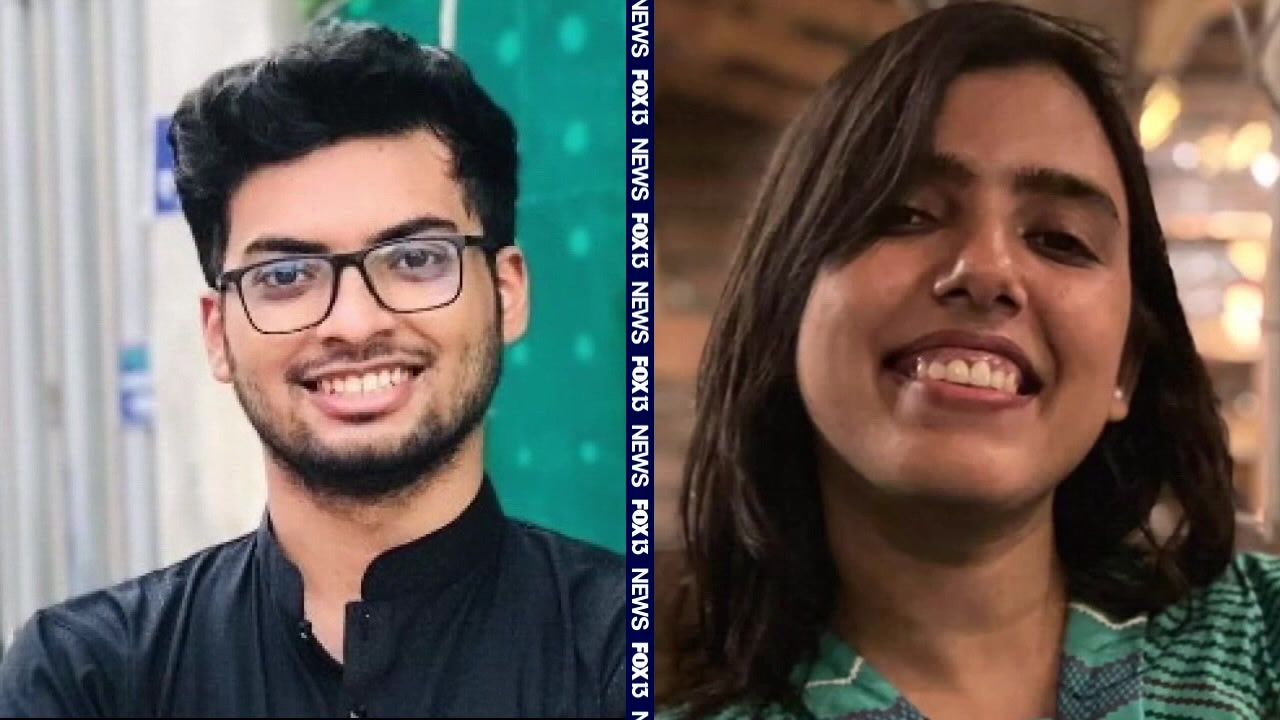
Two talented young researchers from Bangladesh, Zamil Ahmed Limon and Nahida Sultana Bristy, both 27, had come to the United States filled with ambition and a desire to build brighter futures through advanced education. Their story, marked by dedication to their studies and close bonds of friendship that had grown deeper over time, captured attention when they were reported missing in mid-April 2026 from the Tampa area. What followed was a period of intense concern from loved ones, fellow students, and university officials, culminating in the discovery of their remains and a wave of grief that extended from Florida back to their home country.
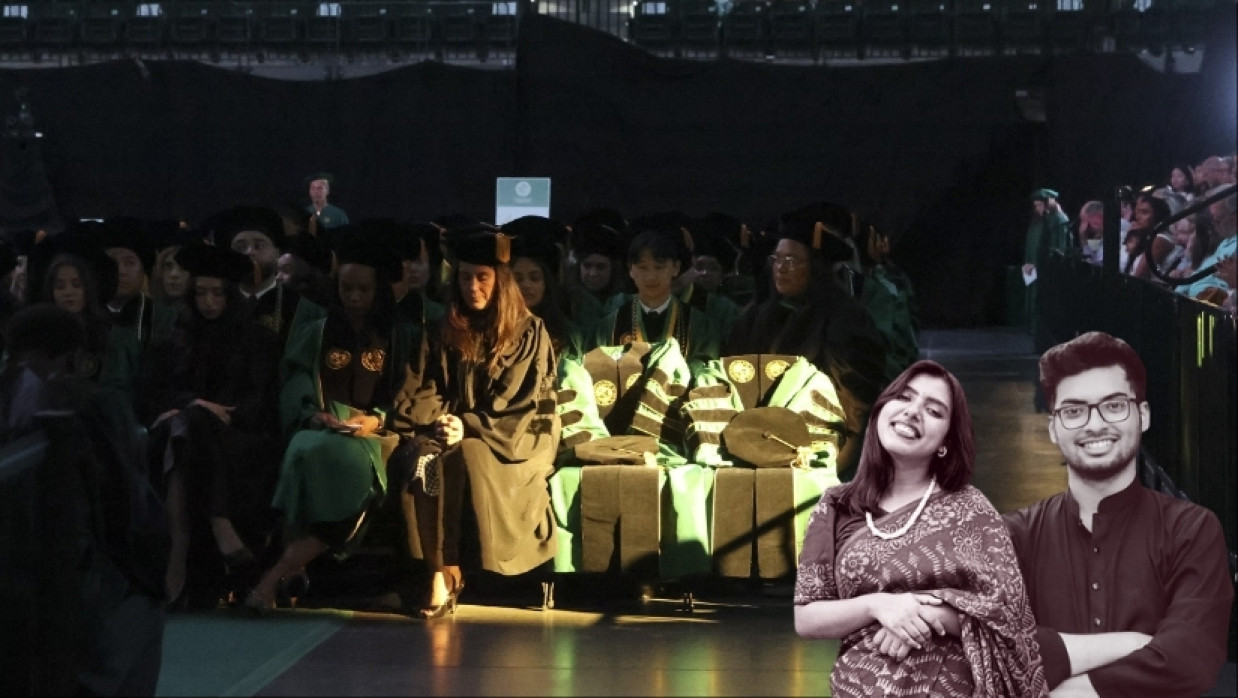
Limon, pursuing a doctorate in geography, environmental science, and policy at the University of South Florida (USF), was known for his focus on using generative AI to monitor shrinking wetlands in South Florida. His work reflected a commitment to practical solutions for environmental challenges, sustainable land use, and ecosystem management. Before arriving in the US in 2024, he had built a strong foundation through studies at Khulna University in Bangladesh and professional experience in urban planning and natural resource centers in Dhaka. Those who knew him described him as a cheerful, straightforward individual who always wore a smile and prioritized his goals with quiet determination.
Bristy, a doctoral student in chemical engineering at USF, brought her own passion for problem-solving, laboratory work, and emerging technologies. She held a master’s from the Bangladesh University of Engineering and Technology and a bachelor’s in applied chemistry and chemical engineering from Noakhali Science and Technology University. Friends and family remembered her as outgoing, kind, and creative — someone who enjoyed singing, experimenting in the kitchen, and including others in her activities. She dreamed of returning to Bangladesh to contribute meaningfully to her community through her expertise.
The pair had started as friends and developed a close relationship, with conversations about a possible future together, according to Limon’s brother, Zubaer Ahmed. Both had planned to visit family in Bangladesh during the summer break, maintaining regular contact with loved ones back home. Their disappearance around April 16, 2026, raised immediate alarms because it was so out of character. Limon was last seen at his off-campus home near the USF campus, while Bristy was spotted shortly afterward at a campus building. A family friend reported them missing the following day when efforts to reach them went unanswered.
As days passed without word, friends, professors, and the broader Bangladeshi student community in the US grew increasingly worried. Searches involved law enforcement, university personnel, and volunteers. The situation drew significant attention, highlighting the vulnerabilities that international students can face while far from home. Limon’s family in Bangladesh expressed deep pain and a longing for answers, with one relative noting the emotional toll of waiting for any update. Bristy’s brother described her as the perfect daughter and sister, recalling joyful memories of her lively personality.
Authorities from the Hillsborough County Sheriff’s Office led the investigation. Evidence from cellphone data, vehicle information, and items at the shared residence eventually led to the location of Limon’s remains near the Howard Frankland Bridge over Tampa Bay. Bristy’s remains were later recovered in the same general area. The discoveries prompted an arrest and charges against Limon’s roommate, 26-year-old Hisham Saleh Abugharbieh, who faced legal proceedings related to the case. Prosecutors noted details suggesting planning, including prior purchases and online inquiries, though the full motive remained under review as the process moved forward.
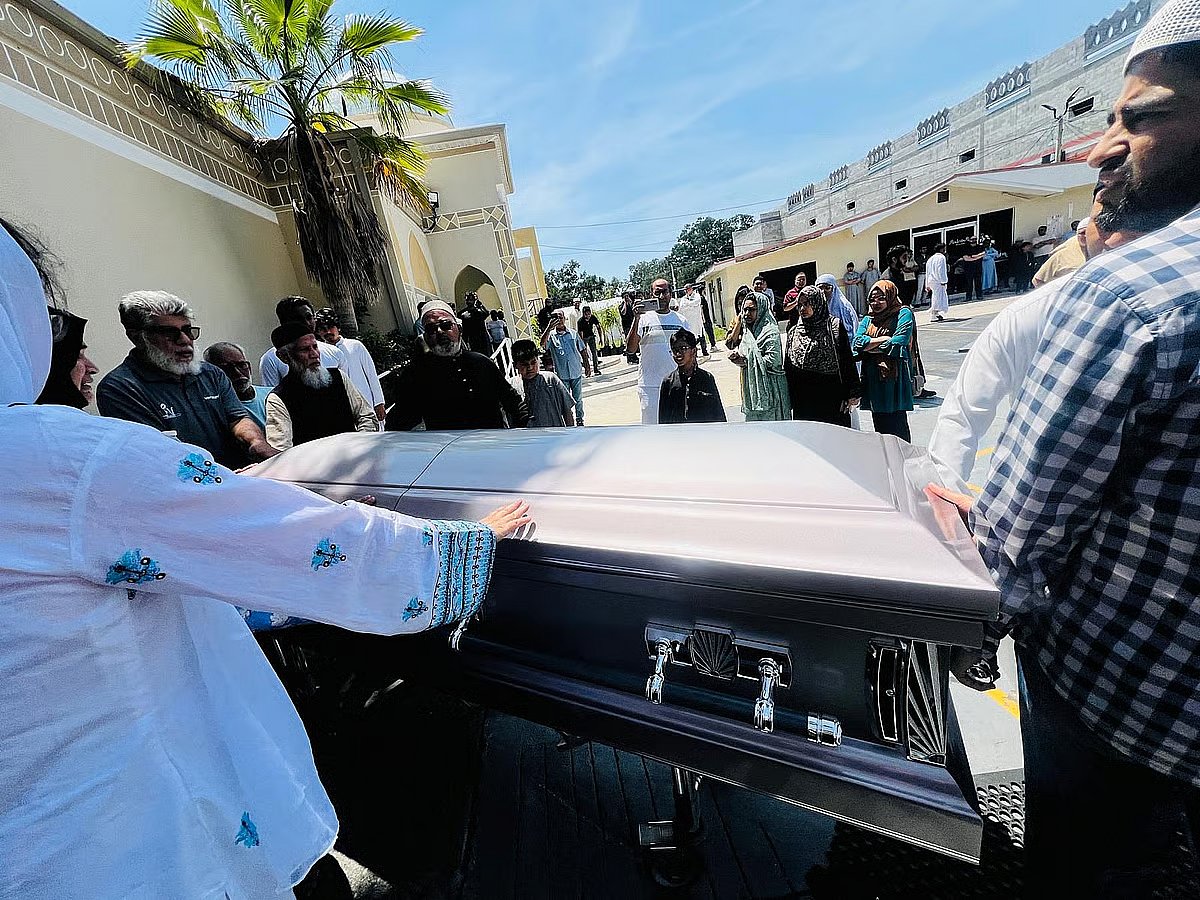
The news reverberated strongly in Bangladesh, where both families mourned. Reports indicated that Limon’s father experienced a moment of overwhelming emotion upon confirmation of his son’s passing, underscoring the profound impact on parents who had supported their children’s educational pursuits abroad. Community members gathered for prayers and tributes, emphasizing the students’ potential as future leaders and contributors to society. The bodies were eventually repatriated, allowing families to hold funeral rites in accordance with their traditions.
USF responded with support for the affected families and the campus community. The university announced posthumous recognition for the students, including honors that reflected their academic achievements. Memorial events, moments of silence, and plans for a campus tribute were organized to remember Limon and Bristy. Officials worked to assist with the return of personal belongings and explored financial support options. A joint statement from the families called for accountability, swift legal proceedings, and measures to support international students while preserving the memory of the pair through a dedicated memorial.
This incident prompted wider discussions about safety for international students in the US. With Bangladeshi enrollment at American institutions reaching record highs — over 17,000 in recent years — many highlighted the importance of robust support systems, clear communication channels with families abroad, and resources for those navigating life far from home. Friends like Omer Hossain, who described Limon as a “chill guy” always ready with a smile, spoke of broken hearts and the unexpected nature of the loss. Professors praised Bristy as a talented and promising scholar whose contributions would be deeply missed.
In the broader context, stories like this serve as reminders of the human stories behind academic journeys. Limon’s research on wetlands and environmental tools aimed at long-term sustainability. Bristy’s drive in chemical engineering focused on innovation and practical applications. Both represented a generation of young Bangladeshis seeking advanced knowledge to bring back home, whether as university educators, researchers, or community leaders. Their families’ calls for justice and prevention of similar situations echoed across social media and news outlets, uniting people in sorrow and resolve.
As legal proceedings continue, the focus remains on honoring the students’ legacies. GoFundMe efforts and university initiatives have helped provide assistance to the families. Vigils and remembrance ceremonies brought together students, faculty, and the local Bangladeshi diaspora in Tampa. USF emphasized its commitment to a supportive environment, with counseling services made available and reflections on how to strengthen protections for those pursuing education overseas.
The tragedy also spotlighted cultural and familial ties that remain strong despite distance. Daily calls home, shared meals, and dreams discussed across time zones formed the backdrop of their lives in America. Limon’s last conversation with his mother reportedly included a simple, caring question about her well-being and traditional food — a small detail that now holds deep meaning for the family. Bristy’s creativity in cooking and singing left lasting impressions on those closest to her.
Experts in international education note that while the vast majority of students complete their programs successfully, high-profile cases like this prompt reviews of housing arrangements, roommate matching, and emergency response protocols. Universities often partner with consulates and student associations to offer guidance. In this instance, the Bangladeshi embassy and community organizations played roles in supporting the families during repatriation and memorial arrangements.
Looking ahead, the families have requested that belongings be returned intact and any remaining academic or financial matters be resolved thoughtfully. They have also advocated for a lasting campus memorial to ensure the students’ names and aspirations endure. USF has indicated it will participate actively in court monitoring and provide appropriate assistance where possible.
This event, while deeply sad, has also showcased resilience. The Bangladeshi student community in the US organized support networks, shared fond memories, and reinforced their collective goals. Back home, schools and universities that once educated Limon and Bristy issued statements celebrating their dedication and expressing condolences. National media in Bangladesh covered the repatriation, with emotional scenes at the airport as relatives received the remains.
In reflecting on their short time at USF, one sees the universal hopes many international students carry: personal growth, professional advancement, and the chance to contribute to both their adopted and native countries. Limon’s thesis work on AI applications for environmental monitoring could have had real-world benefits for wetland preservation in Florida and similar ecosystems in Bangladesh. Bristy’s interest in new technologies positioned her to tackle challenges in chemical processes and innovation upon her return. Their stories, though cut short, continue to inspire peers to pursue excellence while cherishing connections with family and friends.
Community responses included fundraising for the families and calls for greater awareness around student safety. Retired law enforcement professionals commented on the importance of thorough investigations in such cases, noting how digital evidence and location data play key roles in modern inquiries. The case has been described by officials as disturbing, with an emphasis on seeking full accountability through the justice system.
As time passes, the focus shifts toward healing and remembrance. Posthumous degrees, campus honors, and family-led tributes help keep the memory alive. For the families in Jamalpur and other parts of Bangladesh, the return of their loved ones allowed for proper farewells grounded in faith and tradition. Friends in Tampa continue sharing stories that highlight the positive impacts Limon and Bristy had during their time there — from collaborative study sessions to simple acts of kindness.
This chapter serves as a poignant illustration of the dreams that draw students across oceans and the fragility that can sometimes accompany those journeys. It underscores the need for ongoing dialogue about support structures that allow young scholars to thrive safely. While nothing can replace what was lost, the collective response from universities, communities, and authorities demonstrates a shared commitment to learning from difficult circumstances and safeguarding future generations of students.