Six days after Christmas Eve, the quiet suburbs of northwest Bexar County, Texas, remain haunted by absence. Nineteen-year-old Camila Mendoza Olmos, a young woman described by loved ones as radiant and full of love, stepped out of her family home on the morning of December 24, 2025—and simply vanished. As the search intensifies, Bexar County Sheriff Javier Salazar has delivered a sobering assessment: Camila is in “imminent danger.” While investigators explore every avenue, including the chilling possibilities of foul play, a growing body of evidence points to a deeply personal crisis—one rooted in severe depression that may have compelled her to leave voluntarily, seeking isolation or, tragically, something darker.

foxsanantonio.com

The final moments captured on a neighbor’s surveillance camera at 6:58 a.m. show Camila outside her home on the 11000 block of Caspian Spring. Dressed lightly in a black North Face hoodie with baby-blue accents, matching baby-blue shorts or pajama bottoms, and white shoes, she appears to rummage through her vehicle, searching for an unidentified item. Then, she walks away on foot. No struggle. No stranger. Just a solitary figure disappearing into the dawn. Her car remains in the driveway. Her belongings stay inside. Most tellingly, her cell phone—charging on her bed—is left behind.
For a generation inseparable from their devices, this detail stands out starkly. Sheriff Salazar has called it “highly unusual,” emphasizing that Camila led an active, connected life as a student at Northwest Vista Community College. Leaving her phone wasn’t an oversight; it was deliberate—a signal of wanting complete disconnection from the world she knew.

Camila’s mother, Rosario Olmos, shared the bed with her that night. She felt her daughter rise early but assumed it was for one of Camila’s routine morning walks—a habit that kept the health-conscious teen grounded and energized. “I felt her get up, but I went back to sleep,” Rosario later shared, her words laced with the unbearable weight of regret. Ninety minutes later, the house was empty. Rosario charged the phone, called Camila’s boyfriend and father—neither had seen her—and searched the neighborhood herself. “I thought I would find her like other times, walking, and we would come home together.” When hope faded, she alerted authorities.
Standing 5 feet 4 inches tall and weighing about 110 pounds, with dark hair and an infectious smile, Camila was more than just a missing person statistic. Friends paint her as outgoing, faithful, and deeply caring—someone who lit up rooms and cherished church services. Her childhood best friend, Camila Estrella, spoke to her the day before, planning a post-holiday shopping trip. “She said, ‘Bye Cami, I love you,'” Estrella recalled, voice breaking. Another friend described her as “full of love,” always checking in on others.
Yet, beneath this warmth lay a silent struggle. Sheriff Salazar has been unusually candid, revealing that Camila had recently endured a mutual breakup with her boyfriend—a split deemed non-suspicious, with all parties cooperating fully. More profoundly, he disclosed her battles with depression and a history of suicidal ideation. “Problems seem a lot bigger when you’re at that age,” Salazar said empathetically in interviews with ABC News and local outlets. “What we are hopeful of, if she does see this, is that really nothing has occurred that can’t be fixed. She’s got people here that love her very much.”
This revelation has shifted focus toward a voluntary departure driven by overwhelming emotional pain. The holidays, often a time of heightened isolation for those struggling mentally, may have amplified her distress. Post-pandemic youth mental health crises have surged, with breakups, academic pressures, and social media scrutiny compounding silent suffering. Camila’s intentional disconnection—abandoning her phone—suggests a desire to escape not just physically, but digitally, from a world that felt too heavy.
No signs of forced entry or abduction mar the scene. All known contacts cooperate. While the area’s proximity to human trafficking corridors and highways prompts caution—the FBI and Department of Homeland Security monitor borders and international travel—Salazar stresses exploring “the whole gamut of possibilities.” Yet, the absence of foul play indicators strengthens the mental health angle. Cadaver dogs, drones, and ground teams have scoured miles without breakthrough, fueling fears she sought seclusion in remote areas.

ksat.com
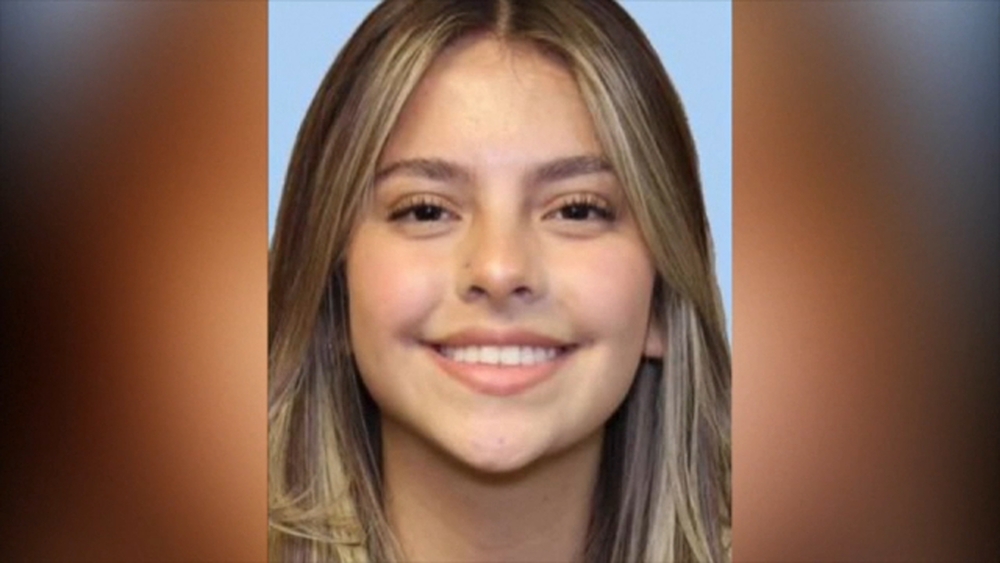
abc30.com
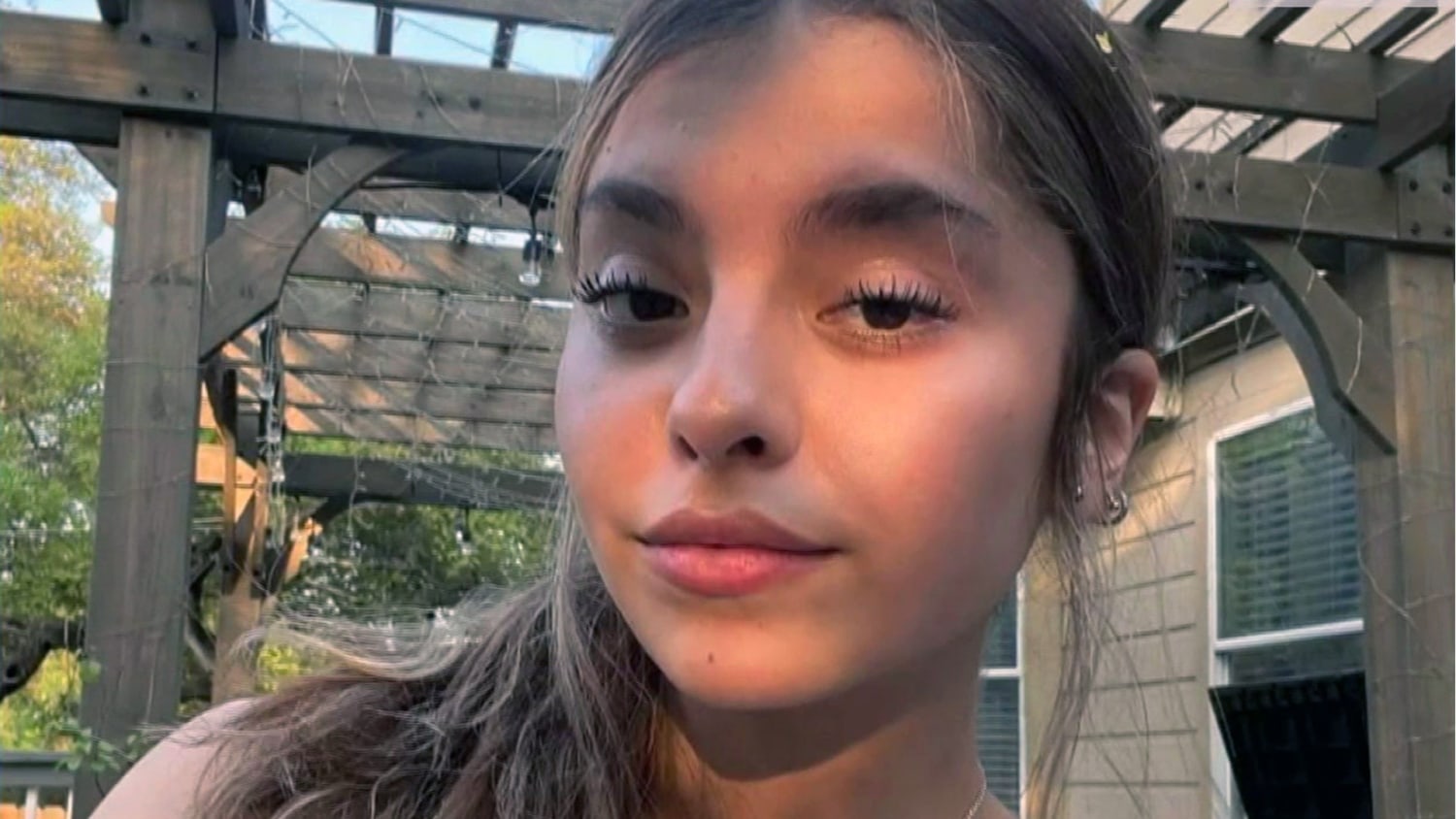
nbcnews.com
The community’s response has been a beacon of unity amid despair. Hundreds of volunteers rally daily at sites like Wildhorse HOA Sports Park, distributing flyers, navigating rugged terrain, and holding prayer vigils. One gathering at Ambassadors Coffee drew tearful crowds. Aunt Nancy Olmos posts relentlessly: “Cami needs us. By the grace of Jesus Christ, we will find you, Cami.” Father Alfonso Mendoza flew from California, pleading: “Please come home… Daddy’s missing you.” Brother Carlos and relatives join exhaustive searches.
A CLEAR Alert classifies Camila as a potentially endangered adult. Rumors of ICE detention were debunked—she’s a U.S. citizen. As cold fronts grip Texas, exposure risks mount for someone lightly dressed.
Camila’s story pierces because it humanizes an epidemic. Mental health struggles don’t discriminate; they strike the vibrant, the loved, the seemingly strong. Her case echoes countless silent battles, reminding us that cries for help often go unspoken. The deliberate phone abandonment wasn’t rebellion—it was retreat. In a hyper-connected era, choosing isolation screams volumes.
Sheriff Salazar’s direct appeal underscores hope: Help exists. The 988 lifeline offers immediate support. If Camila wanders in crisis, resources await. Her family clings to faith, refusing to surrender.

Camila Mendoza Olmos’s disappearance isn’t just a mystery; it’s a call to compassion. In the shadows of depression, one young woman’s pain has mobilized a community. May light guide her home—safe, healed, and embraced. The world waits, prays, and refuses to forget.