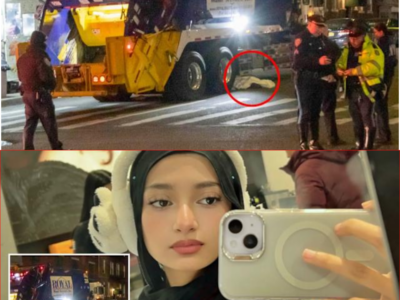
A 19-year-old receptionist named Nishath Jannath stepped into a marked crosswalk in Woodside, Queens, late on a Sunday night, just minutes from the family apartment where she lived with her parents and two younger sisters. She never reached the other side. At approximately 11:55 p.m. on March 29, 2026, a sanitation truck operated by Royal Waste Services, traveling west on Roosevelt Avenue, made a right turn onto the northbound lane of 62nd Street and struck her as she crossed on the northern side of the intersection. The impact was immediate and fatal. Emergency medical services arrived quickly, but Nishath was pronounced dead at the scene.

The driver, a 38-year-old woman, remained at the location, sustained minor injuries, and cooperated with authorities. No charges have been filed as the NYPD’s Collision Investigation Squad continues its review of the crash. Royal Waste Services has issued no public statement. The intersection—busy even at that hour with the elevated subway tracks overhead and a mix of late-night foot traffic from nearby restaurants and businesses—has become the latest flashpoint in New York City’s ongoing struggle with pedestrian safety involving large commercial vehicles.
Nishath Jannath was more than a statistic in a city where traffic deaths remain stubbornly persistent. She was a young Bangladeshi-American woman known in her tight-knit Woodside community for her quiet optimism, her strong faith, and her unwavering work ethic. Friends and family described her as someone who carried herself with gentle confidence, often wearing a black hijab and a warm smile that could brighten even the longest shifts. She lived on 55th Street, a short walk from the fatal corner, and had made that same route countless times after closing up at her receptionist job. Colleagues recalled her as reliable and kind-hearted, the type of person who remembered small details about everyone’s day and offered encouragement without seeking attention.
Her eldest sister, Nowshin Jannath, stood outside the family home in Queens on Monday morning, her voice breaking as she spoke to reporters. “My parents are devastated,” she said. “She was our everything.” Nowshin described Nishath as the rock of the household, a big sister who helped care for their two younger sisters, aged nine and four, and who never complained about the long hours or the sacrifices required to support an immigrant family navigating life in one of the world’s most expensive cities. Nishath had recently turned 19 and was beginning to talk more openly about her dreams—perhaps pursuing further studies in health care or business administration while continuing to contribute to the family’s stability. She believed deeply in God and often reminded her siblings that hard work and faith would open doors. “She was really optimistic,” Nowshin added, her words carrying the weight of sudden, unimaginable loss.
The Jannath family had built a life in Woodside, part of Queens’ vibrant Bangladeshi community that stretches across neighborhoods like Sunnyside and Jackson Heights. Many residents work in service industries, restaurants, small businesses, and late-night shifts that keep the city running after dark. Nishath embodied that spirit of quiet resilience. She balanced her receptionist duties with family responsibilities, sending photos from work to her parents and checking in to make sure everyone was safe at home. In a neighborhood where multigenerational households are common and community bonds run deep, her death has left an entire circle of relatives, friends, and neighbors reeling.
Social media platforms filled almost immediately with tributes from the Bangladeshi-American community. Posts showed mirror selfies of Nishath in her hijab and white earmuffs, candid shots from family gatherings, and messages calling her “kind-hearted” and “always smiling.” One community leader wrote that Nishath represented “the best of our young generation—hardworking, respectful, full of hope.” Local mosques and cultural organizations began organizing prayer services and vigils near the intersection, where flowers and candles were already appearing by Monday afternoon. Residents described the corner as one they had crossed hundreds of times themselves, often late at night after similar shifts. The tragedy feels personal because it could have happened to any of them.
The physical details of the crash paint a grim picture of urban vulnerability. Roosevelt Avenue, with its elevated 7 train tracks casting long shadows, feeds into narrower side streets like 62nd, where pedestrian volumes remain high even after midnight. Sanitation trucks from private haulers like Royal Waste Services are a constant presence in Queens, rumbling through intersections on overnight routes that serve commercial and residential buildings. These vehicles are large, slow to stop, and frequently have blind spots on the right side—precisely where pedestrians cross during right-hand turns. Preliminary police findings suggest Nishath had the walk signal, but the truck’s size and the driver’s field of vision are now under intense scrutiny by collision investigators examining brakes, mirrors, dashcam footage if available, and traffic-light timing.
This is not an isolated incident. New York City has recorded multiple fatal pedestrian strikes involving large trucks in recent years, prompting repeated calls from advocacy groups like Families for Safe Streets for stricter regulations on commercial vehicles. Vision Zero, the city’s long-standing initiative to eliminate traffic deaths, has made progress in some areas, yet turning vehicles—especially private sanitation trucks operating on tight schedules—continue to claim lives in dense neighborhoods. Critics argue that training for drivers, installation of right-turn cameras or sensors, and stricter enforcement of speed limits near crosswalks have not kept pace with the volume of heavy commercial traffic in outer-borough areas like Woodside.
For the Jannath family, the loss is compounded by the suddenness and the proximity to home. Nishath had finished her shift and was likely thinking about the next day—perhaps planning a meal for her younger sisters or looking forward to a rare day off—when the truck turned. Witnesses reported hearing the screech of brakes followed by a heavy impact, then silence broken only by the idling engine of the sanitation truck. The driver’s decision to stay on scene and cooperate has been noted in official reports, but questions remain about fatigue, visibility, and whether the vehicle was equipped with modern safety features designed to alert drivers to pedestrians in blind spots.
Local elected officials have begun weighing in. U.S. Rep. Grace Meng, whose district includes parts of Queens, posted a statement expressing heartbreak for the family and the broader Bangladeshi community. She pledged to follow the NYPD investigation closely and support any efforts to improve pedestrian safety. Community leaders in Woodside and Sunnyside echoed those sentiments, calling for immediate reviews of private hauler routes and better lighting or signage at high-risk intersections. One longtime resident told reporters, “We see these big trucks every night. They turn fast, they don’t always slow down. Something has to change before another family loses a child.”
Nishath’s optimism and faith were recurring themes in the outpouring of memories. Friends recalled how she faced challenges with a positive outlook rooted in her religious beliefs. She attended prayers regularly and encouraged her younger sisters to study hard while reminding them that God rewards patience and effort. In a city that moves at breakneck speed, Nishath was the steady presence who made time for family dinners, helped with homework, and still found energy to dream about her own future. Colleagues at her workplace described her as professional and warm, the kind of receptionist who made visitors feel welcome the moment they walked through the door.
The intersection at Roosevelt Avenue and 62nd Street remains cordoned off in parts as investigators work. Skid marks, scattered personal items, and police evidence markers serve as stark reminders of how quickly an ordinary walk home can end in tragedy. By Monday evening, the first bouquets and handwritten notes had accumulated at the curb: “Rest in peace, Nishath,” “Too young, gone too soon,” and messages in Bengali expressing love and prayers for the family. Shop owners along the avenue pledged to keep the area better monitored and lit until safety improvements are made.
As the NYPD Collision Investigation Squad continues its work, the family has requested privacy while making funeral arrangements. Yet through Nowshin’s words and the community’s response, a fuller picture of Nishath has emerged—one of a young woman who lived with purpose, supported her loved ones, and carried hope for a better tomorrow. Her death has united disparate voices in Woodside: immigrant families, business owners, faith leaders, and safety advocates all demanding accountability and systemic change.
Broader questions about pedestrian safety in New York linger in the wake of this crash. Private sanitation companies operate under different oversight than city-run Department of Sanitation fleets, creating gaps in training standards and vehicle requirements. Data from previous years shows that large trucks account for a disproportionate share of pedestrian fatalities, particularly in outer boroughs where enforcement resources are sometimes stretched thin. Advocacy groups are already preparing to use Nishath’s case as a call for citywide reforms: mandatory side-underride guards, advanced driver-assistance systems on commercial vehicles, and stricter penalties for failure to yield in crosswalks.
For the Jannath household on 55th Street, the coming days will be measured in small, painful steps—choosing funeral attire, writing an obituary that captures Nishath’s gentle spirit, and explaining to two little girls why their big sister will not be coming home. The parents, still reeling from the news, have not spoken publicly beyond Nowshin’s statements, but their devastation is palpable in every shared memory and every tear shed by relatives.
Nishath Jannath’s story is both deeply personal and tragically familiar in a city of eight million people who rely on crowded streets and late-night commutes. She was not speeding, not distracted by her phone, not jaywalking. She was simply crossing the street in a marked crosswalk on her way home from work, doing exactly what thousands of New Yorkers do every night. Yet in that moment, the blind spot of a turning sanitation truck claimed her life.
As vigils are planned and flowers continue to pile up at the corner of Roosevelt and 62nd, the community mourns not only a daughter, sister, and friend but also a symbol of the quiet courage required to build a life in New York. Nishath’s faith, her optimism, and her dedication to family will be remembered long after the police tape is removed and the investigation concludes. Her loss has forced a neighborhood to confront uncomfortable truths about safety, visibility, and the human cost of commercial traffic in residential areas.
The driver remains free pending the outcome of the probe, with collision experts examining every available angle. Toxicology results, vehicle maintenance records, and witness statements will all factor into the final report. Until then, the Jannath family and the wider Bangladeshi community in Queens hold onto memories of a 19-year-old who lived with grace and left too soon.
In the end, Nishath Jannath’s final journey home ended in a crosswalk that should have been safe. Her death underscores a painful reality in 2026 New York: even the most routine walk can become fatal when heavy vehicles and vulnerable pedestrians share the same space. The city that never sleeps must now confront how to protect those who keep it running after dark—young workers like Nishath who dreamed, believed, and crossed the street believing they would make it to the other side.
News
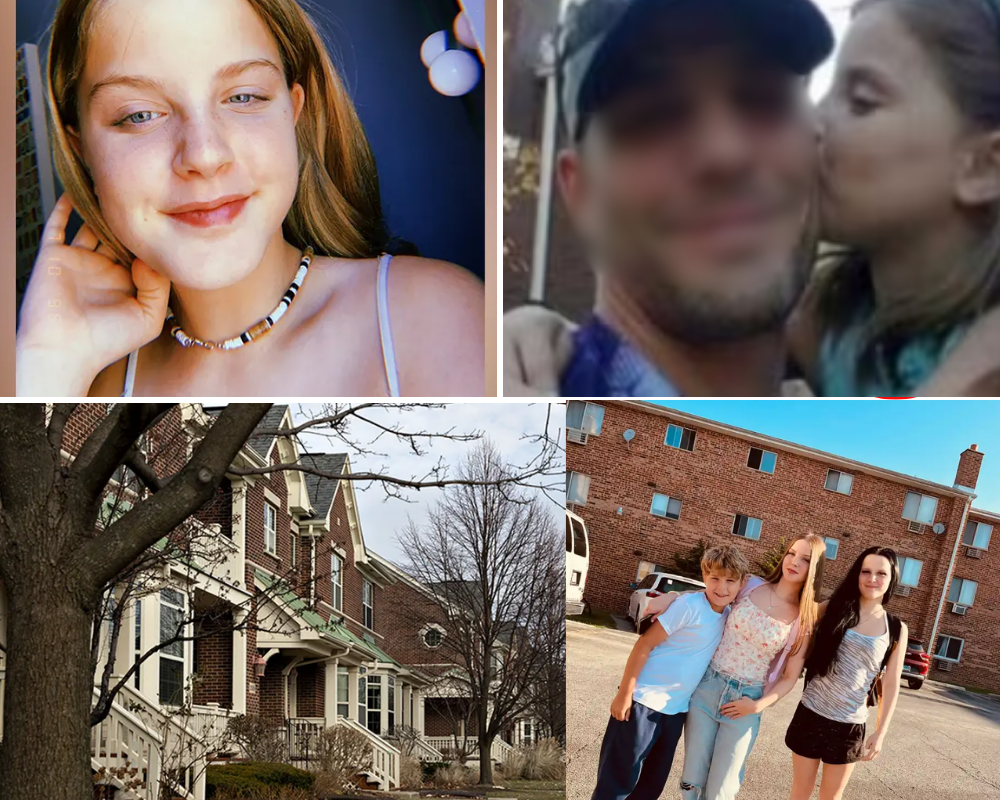
😲 Kindhearted High School Sophomore Executed in Quiet Upscale Suburb – Police Rush to Catch Her Killer But Refuse to Name or Describe Him… What’s Being Hidden? 🔥
A 16-year-old sophomore at Glenbrook South High School, known for her gentle smile and quiet optimism, was shot and killed inside her apartment in one of Chicago’s most affluent northern…
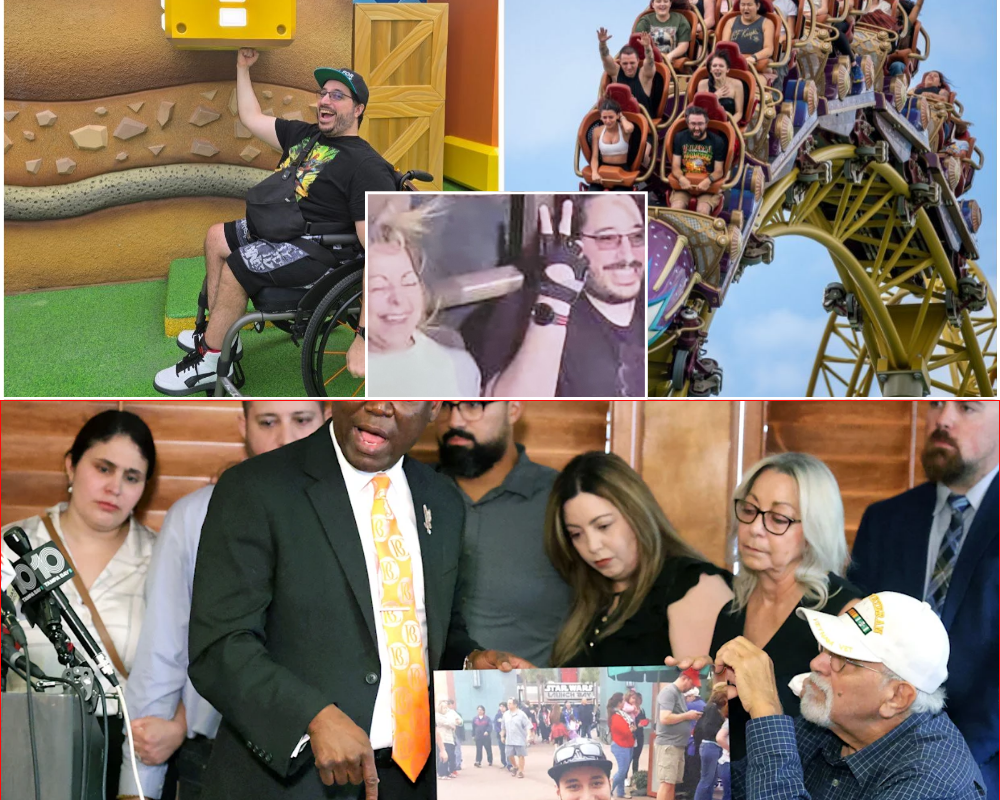
🚨 SHOCKING: Wheelchair User Dies Horribly on Universal Roller Coaster – Blood Everywhere as Girlfriend Tried to Save Him 😱
A newly released investigative report has shed light on the final moments of 32-year-old Kevin Rodriguez Zavala before he died on the Stardust Racers roller coaster at Universal Orlando Resort’s…
😱 Tyler Perry Just Flipped The Script! Kimmie Made A Deadly Deal – The Entire Bellarie Family Is DOOMED 💥
KIMMIE IS NO LONGER PLAYING SURVIVOR… SHE’S THE EXECUTIONER! Dearest Readers, the Season 2 finale just left us screaming, and Netflix just confirmed the news we’ve been waiting for: BEAUTY…
🔥 Everything You Knew About The Bellaries Is DEAD! Tyler Perry’s Darkest Season Yet – Who’s Getting Killed Off? 😱
Hold your breath because the “Beauty in Black” Season 3 teaser just leaked and EVERYTHING we knew about the Bellarie family is officially DEAD. The “Stripper to Mogul” storyline just…
😱 Kimmie Is Now The Executioner! Bellaries Trapped In Prison – First Look At Beauty In Black Season 3 Just Broke The Internet 💥
TYLER PERRY JUST WENT THERE! THE BELLARIES ARE TRAPPED! The throne has been seized, the handcuffs are out, and Kimmie isn’t playing survivor anymore—she’s the executioner! The Season 3 “Behind…
🔥 Move Over Diamond of the Season! Violet & Edmund’s Epic Love Story Just Got Its First Teaser – Are You Ready For This? 👀💕
THE LOVE STORY THAT STARTED IT ALL! VIOLET & EDMUND ARE COMING! Move over, Diamond of the Season—the real legend is about to take the floor! Netflix just teased the…
End of content
No more pages to load