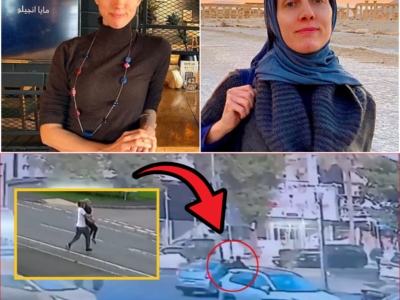
Terror gripped the streets of Baghdad on Tuesday when terrifying surveillance footage captured armed men bundling American journalist Shelly Kittleson into the back of a car at a busy intersection near the Baghdad Hotel — a location dangerously close to the heavily fortified Green Zone.
The 49-year-old freelance reporter from Monticello, Wisconsin, vanished in broad daylight, dragged away by masked assailants in what authorities and insiders now suspect was a coordinated operation by Iran-backed Kataib Hezbollah militants. No group has officially claimed responsibility yet, but the chilling video circulating on X shows two vehicles pulling up suddenly, men with guns swarming her, and Kittleson being shoved inside before the cars sped off into the chaos of the Iraqi capital.
Al-Monitor, the independent outlet for which she contributed regularly, broke the news with a stark statement that sent shockwaves through media circles worldwide. “We are deeply alarmed by the kidnapping of Al-Monitor contributor Shelly Kittleson in Iraq on Tuesday,” the organization declared. “We call for her safe and immediate release.” They added a poignant vow: “We stand by her vital reporting from the region and call for her swift return to continue her important work.”
Kittleson is no stranger to danger. For years, she has embedded herself in the world’s most volatile conflict zones — Afghanistan, Iraq, and Syria — filing dispatches for BBC World, Politico, and Foreign Policy that peeled back layers of political intrigue, militia power plays, and human suffering. Her bylines often carried the weight of firsthand accounts from front lines where few Western journalists dared venture anymore. Colleagues describe her as fearless yet meticulous, a veteran whose deep knowledge of the Middle East made her both an asset and, apparently, a target.
A former Pentagon official and close contact, Alex Plitsas, took to X to confirm the nightmare. “I can confirm that my friend Shelly Kittleson was abducted and may have been taken hostage in Baghdad by Kataib Hezbollah,” he wrote. Plitsas, who served as her designated US point of contact, added urgently: “Whereabouts and conditions unknown. If you have any information please provide to law enforcement and send me a DM.”

Iraqi authorities moved fast but came up short. The Interior Ministry announced that security forces intercepted one of the two vehicles believed to be involved in the abduction. The suspect car flipped over during a high-speed chase as the kidnappers attempted to flee, leading to the arrest of at least one individual. Yet Kittleson was not inside. The second vehicle — the one carrying the journalist — was last seen heading south out of Baghdad, vanishing into the sprawling outskirts where militia influence runs deep. “Efforts are ongoing to track down others involved and free the abducted person,” the ministry stated, offering little comfort to those waiting for answers.
The location of the snatch adds to the audacity. The Baghdad Hotel sits just a stone’s throw from the Green Zone, the nerve center of international diplomacy and Iraqi government power, ringed by blast walls, checkpoints, and foreign embassies. A busy intersection in one of the city’s most monitored districts should have been safer. Instead, it became the stage for a brazen daylight operation that exposed glaring holes in security even near the heart of power.
Sources within the Trump administration revealed they had warned Kittleson against traveling to Iraq, citing credible threats amid escalating regional tensions. The US embassy had recently issued urgent advisories for all American citizens to leave the country as violence surged following the broader Middle East conflict. Despite those warnings, the veteran reporter pressed on, driven by the same journalistic instinct that had defined her career.
The State Department confirmed it is now coordinating closely with Iraqi authorities to secure her release, though details remain tightly held. No ransom demands have surfaced publicly, and no further communication from the abductors has emerged — a silence that only heightens the anxiety surrounding her fate.

Kataib Hezbollah, the suspected perpetrators, is no shadowy newcomer to this playbook. The Iranian-backed Shiite paramilitary group has operated with impunity in Iraq for years, blending political influence with militant muscle. In 2023, they kidnapped US student Elizabeth Tsurkov in Baghdad; she endured nearly two years in captivity before her release in 2025. That precedent looms large over Kittleson’s case, raising fears that the journalist could become another pawn in the proxy war between Iran, the US, and their respective allies on Iraqi soil.
Iraq today is a powder keg. Since the outbreak of wider regional hostilities, the presence of US troops alongside pro-Iran armed factions has fueled a spike in attacks, kidnappings, and assassinations. Militias like Kataib Hezbollah — designated a terrorist organization by Washington — have grown bolder, targeting perceived American interests while maintaining deniability through local operations. The Green Zone, once a symbol of post-invasion stability, now feels like a fragile bubble amid rising threats.
For Kittleson’s family and friends back in Monticello, Wisconsin, the news landed like a thunderclap. A quiet Midwestern town known more for its lakes and community festivals than international intrigue, it now finds itself at the center of a global crisis. Neighbors who knew her as the driven reporter who chased stories across continents are rallying with prayers and calls for government action. “She’s always been the one shining a light in the darkest places,” one longtime acquaintance told local media. “Now we need that same light turned back on her.”
Her body of work offers a window into why she returned to Iraq despite the risks. Kittleson’s reporting has dissected everything from the lingering scars of the US-led invasion to the intricate alliances between Baghdad’s politicians and Tehran’s proxies. She has interviewed militia commanders, documented civilian displacement, and exposed corruption in reconstruction efforts. Her pieces for Foreign Policy often blended on-the-ground grit with sharp geopolitical analysis, making her a respected voice in policy circles.
Yet that expertise may have made her a marked woman. Analysts suggest her recent coverage — potentially touching on sensitive topics involving Kataib Hezbollah’s operations or Iranian influence — could have triggered the abduction. In a region where journalists are increasingly viewed as enemies rather than neutral observers, her profile as an American with deep regional ties fits the pattern of high-value targets.
The footage itself, shared widely on X by local outlets, paints a visceral picture. Grainy but unmistakable, it shows Kittleson — dressed in typical field attire for a Baghdad assignment — suddenly surrounded. Armed men, faces obscured, move with practiced efficiency: one blocks her path, others grab her arms, and within seconds she is thrust into the backseat of a waiting sedan. The entire sequence unfolds in under a minute on a street bustling with everyday traffic, underscoring how quickly normalcy can shatter in conflict zones.
Reactions poured in from across the media landscape. Fellow correspondents who had worked alongside her in Syria or Afghanistan expressed outrage mixed with dread. “Shelly knew the risks better than most, but this is a direct assault on press freedom,” said one veteran BBC contributor. International press freedom organizations echoed the call for her immediate release, warning that such incidents chill reporting from the Middle East at a time when transparency is desperately needed.
On the diplomatic front, the Trump administration’s prior knowledge of threats adds a layer of controversy. Why was she permitted to proceed if dangers were flagged? Officials maintain that journalists operate independently, yet the episode revives debates about US support for reporters in hostile environments. The State Department’s involvement now includes consular teams working around the clock with Iraqi counterparts, though progress remains uncertain amid the fractured security landscape.
South of Baghdad, where the second vehicle was last spotted, lies territory controlled by various militias with ties to Kataib Hezbollah. Rural roads and sympathetic villages could provide cover, complicating rescue efforts. Iraqi forces, already stretched thin by internal politics and external pressures, face a race against time. Every hour without contact increases the risk that Kittleson’s captors could relocate her deeper into hiding or worse.
This is not merely one journalist’s ordeal. It reflects broader vulnerabilities for Westerners — especially Americans — operating in Iraq. The US embassy’s recent evacuation advisory was no exaggeration; rocket attacks on bases, roadside ambushes, and abductions have multiplied. Pro-Iran groups view any American presence as fair game, using hostages to leverage political concessions or send messages to Washington.
Kittleson’s age and experience only amplify the stakes. At 49, she was at the peak of her career, a seasoned professional whose loss would deprive the world of nuanced insights into one of its most complex regions. Her hometown of Monticello, population just over 5,000, now mirrors the anxiety of families across America whose loved ones chase stories in war zones.
As night fell over Baghdad on Tuesday, search operations intensified. Drones, checkpoints, and intelligence sharing between US and Iraqi agencies formed a dragnet, but the vastness of the city and surrounding provinces offers ample escape routes. Plitsas continued posting updates on X, urging anyone with information to come forward. “Her life depends on swift action,” he implied in follow-up messages.
The human element cuts deepest. Kittleson is more than a byline; she is a daughter, a friend, a storyteller who humanized distant conflicts for readers back home. Those who know her speak of her quiet determination, her ability to build trust with sources in impossible circumstances, and her unwavering commitment to truth even when bullets flew.
Geopolitically, the kidnapping arrives at a fraught moment. Iran’s shadow over Iraq grows longer, with Kataib Hezbollah serving as one of its most lethal proxies. The group has attacked US forces in the past and maintains sophisticated networks for smuggling, extortion, and abductions. Releasing Tsurkov last year came only after prolonged negotiations; Kittleson’s case could drag similarly, testing diplomatic patience.
For the journalism community, this serves as a grim reminder. Freelancers like Kittleson often lack the institutional safeguards of major networks — no private security details, no rapid extraction teams. They rely on local fixers, gut instinct, and luck. Her situation underscores the need for stronger protections, training, and perhaps even international protocols for journalist safety in conflict zones.
Iraqi officials, caught between appeasing militias and maintaining ties with the US, walk a political tightrope. Prime Minister Mohammed Shia al-Sudani’s government has pledged cooperation, but enforcement against powerful armed factions remains inconsistent. The arrested suspect from the flipped vehicle could yield crucial intelligence — names, safe houses, or communication logs — yet extracting it without escalating militia backlash poses its own risks.
As the world watches and waits, hope flickers amid the uncertainty. Al-Monitor’s plea resonates beyond journalism: this is about one woman’s right to report, to live, to return home. Kittleson’s family in Wisconsin has reportedly been notified and is receiving support from State Department officials. Candlelight vigils and social media campaigns are already forming, turning #FreeShellyKittleson into a rallying cry.
The coming days will test resolve on multiple fronts. Will Iraqi forces locate the second vehicle? Can US diplomacy pressure Kataib Hezbollah through back channels? And most critically, will her captors reveal demands or release proof of life?
In the meantime, the footage from that Baghdad intersection loops in the minds of viewers worldwide — a stark visual of vulnerability in a city that has seen too much violence. Shelly Kittleson entered Iraq seeking stories of resilience and power struggles. Now, she has become part of one.
Her colleagues, sources, and readers can only pray for the same courage that defined her career to guide her through whatever lies ahead. The Green Zone may be close, but freedom feels agonizingly distant tonight.
Back in Monticello, the lakeside town holds its breath. A journalist who once illuminated the world’s shadows now needs the world to shine a light back on her. Every update, every rumor, every official statement carries the weight of a life hanging in the balance.
This abduction is not an isolated tragedy. It is a symptom of deeper fractures in Iraq’s fragile stability, where foreign correspondents pay the price for shining light on uncomfortable truths. As efforts intensify to track the southbound vehicle and interrogate the captured suspect, the clock ticks louder with each passing hour.
Kittleson’s legacy — her fearless dispatches from Fallujah to Damascus — stands as testament to why journalists matter. Her current plight demands the same global attention she once brought to others’ suffering.
The streets of Baghdad may have swallowed her for now, but the outcry from Wisconsin to Washington will not let her disappear quietly. Safe release is the only acceptable outcome. Anything less would silence not just one voice, but the principle of truth-seeking in the face of terror.
News
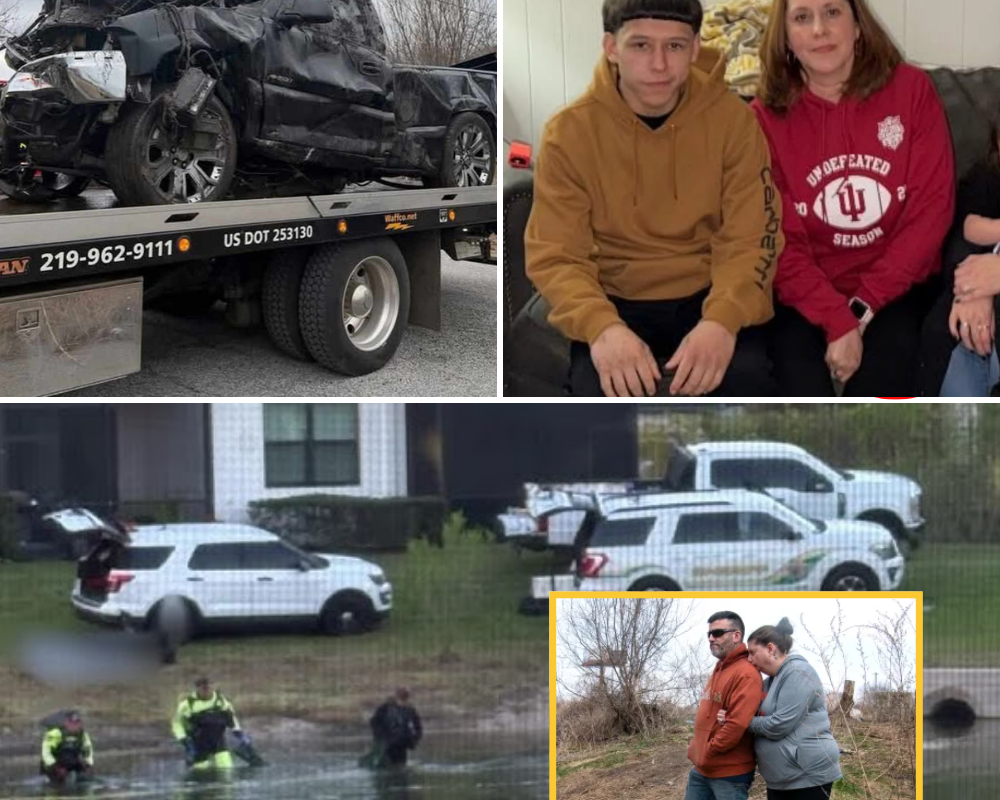
🔥 “He Was Just Getting a Ride Home From a Gathering” – 18yo Rico Montes Body Recovered From Deep River, One Person Arrested
Grief engulfed the quiet streets of Lake Station, Indiana, as the body of 18-year-old high school senior Rodrigo “Rico” Montes was pulled from the murky waters of Deep River on…
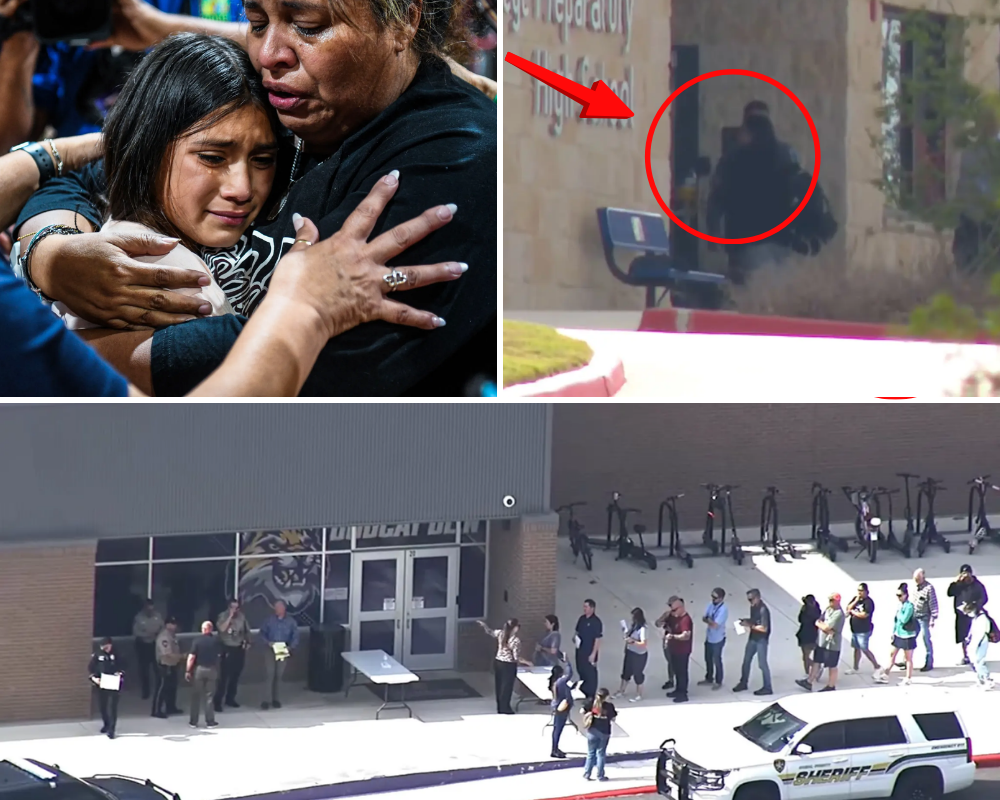
🚨 “He Was Struggling With Grades” – 15-Year-Old Brings Gun From Home and Opens Fire on Teacher in Elite Texas School 💔 You Won’t Believe What Happened Next
A single gunshot shattered the morning calm at Hill Country College Preparatory High School in Bulverde, Texas, on March 30, 2026, turning a prestigious campus known for academic excellence into…
Kevin Costner, 71, Spotted Having Intimate Lunch With Beautiful Mystery Woman – New Girlfriend or Something Else? 😱❤️
Kevin Costner was spotted enjoying a casual lunch in Los Angeles with a stylish, unidentified woman, instantly sparking a frenzy of speculation across tabloids, social media, and celebrity gossip circles….
🚨 Keanu Reeves Teams Up With the Man Who Made Deadpool a Star – Colossus Actor Stefan Kapicic Joins the Mystery Sci-Fi Project…
Keanu Reeves is teaming up with the director who launched Deadpool into superstardom, and the first major casting news has fans buzzing with excitement. Stefan Kapicic, the voice and motion-capture…
No One Was Ready for This: Luke Bryan & Lionel Richie Join the Top 20 for an Unforgettable Rendition of “Jesus Is Love” on American Idol 🔥
The lights dimmed on the American Idol stage, and for a few seconds, the usual glitter and spectacle gave way to something deeper. Then the first notes of “Jesus Is…
😲 American Idol Frontrunner Stuns Everyone With Her Emotional Cover of “Gratitude” – This Missouri Mama’s Version Is Completely Different 🔥
A mother of three from a small Missouri town stepped into the spotlight on American Idol and delivered a performance that has left judges, fans, and gospel music lovers speechless….
End of content
No more pages to load