The remote mountain town of Tumbler Ridge, British Columbia, nestled amid the rugged Canadian Rockies, had always prided itself on its tight-knit community and quiet way of life. With a population hovering around 2,000, the place felt worlds away from the chaos of big cities—kids walked to school, neighbors knew each other’s names, and the biggest concerns were usually winter storms or mine layoffs. But on February 10, 2026, that fragile peace shattered in the most horrific way imaginable when 18-year-old Jesse Van Rootselaar unleashed a calculated rampage that claimed eight lives, wounded dozens more, and left an entire nation grappling with grief, questions, and outrage.

The nightmare began not at the school that would later become the epicenter of tragedy, but in the modest wooden home on Fellers Avenue where Van Rootselaar lived with family members. Around midday, the 18-year-old—born biologically male but identifying and presenting as female in recent years—turned two firearms on those closest to her. Her 39-year-old mother, Jennifer Strang (also known in some records as Jennifer Jacobs), and her 11-year-old stepbrother Emmett Jacobs were shot dead in what police described as a deliberate domestic assault. The killings were swift and brutal, executed with chilling precision before Van Rootselaar gathered additional weapons and drove the short distance to Tumbler Ridge Secondary School.
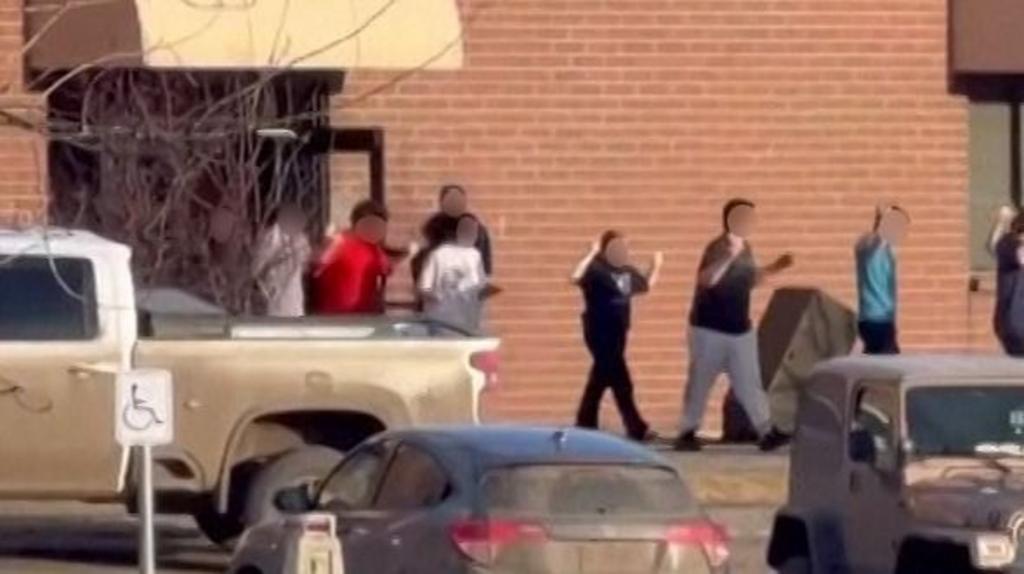
What unfolded next ranks among the deadliest school shootings in Canadian history, surpassing many in scale and shock value since the École Polytechnique massacre of 1989. Arriving at the school shortly after 1:00 p.m. local time, Van Rootselaar entered the building armed with two more guns—part of a cache of four firearms used that day, none registered to the property and some reportedly modified. Moving methodically through hallways and classrooms, the shooter targeted students and staff in what RCMP officials later characterized as “hunting” behavior. Panic erupted as screams echoed, children fled in terror, and teachers tried desperately to shield their charges.
By the time first responders arrived, the toll was devastating: five young students lay dead—Zoey Benoit, 12-year-old Ticaria Lampert, 12-year-old Kylie Smith, 12-year-old Abel Mwansa, and 13-year-old Ezekiel Schofield—along with 39-year-old education assistant and teacher Shannda Aviugana-Durand. At least 27 others were injured, some critically, with reports of heroic acts amid the carnage. One 12-year-old girl, Maya Gebala, was shot in the head and neck while attempting to protect a friend; her mother’s anguished updates spoke of a child fighting for life, needing “a miracle” to survive. Others described bloodied corridors, locked doors, and the haunting sound of gunfire that would forever scar survivors.
Van Rootselaar did not escape. As police closed in, the shooter turned a weapon on herself, dying from a self-inflicted gunshot wound inside the school. The rampage ended, but the questions only multiplied.
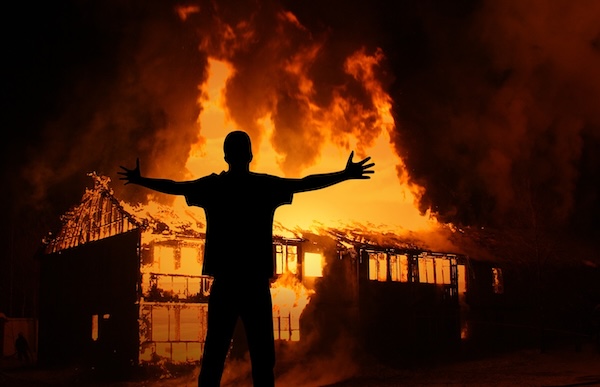
Investigators soon uncovered a disturbing trail leading back years. Neighbors and records painted a picture of a troubled teen whose cries for help—or red flags—went unheeded or under-addressed. A neighbor named Melanie, living just houses away, recounted a chilling precursor: “A couple of years back, he lit their house on fire because he was trying to kill his own family… it almost completely burnt down. He was just sitting out in the front when the fire trucks arrived.” The 2023 arson attempt, allegedly fueled by a hallucinogen-induced episode involving psychedelic mushrooms, destroyed much of the interior of the family home. Yet, according to Melanie, authorities “dismissed” the incident, failing to pursue deeper intervention. “The fire should never have been dismissed by police,” she told reporters. “This all could have been avoided if there was proper mental healthcare… People are crying for help all around here.”
Mental health contacts with police were frequent. Van Rootselaar had been apprehended multiple times under Canada’s Mental Health Act for assessments. She dropped out of school at age 14, and officers responded to the family residence repeatedly over mental health crises and firearms concerns. A firearms license, once held, had expired in 2024. Online activity painted an even darker portrait. Archived YouTube videos—now deleted—showed the teen firing weapons: a Desert Eagle handgun, a 12-gauge shotgun, and a semi-automatic carbine at targets. One particularly eerie clip captured her shooting a high-powered gun while wearing a hoodie emblazoned with “massacre tour,” a phrase that now chills in hindsight.
Social media posts revealed fixation on drugs and dissociation. A Reddit entry from October 28, 2023, described a “complete break from reality” after shrooms: “I went crazy and burnt my house down the second time trying shrooms… I felt like I was dreaming. Many consequences ensued.” Disturbingly, Van Rootselaar created a Roblox game simulating a mass shooting in a shopping center, where players could arm themselves and attack. The game, visited only a handful of times, was removed by the platform the day after the attack, with Roblox pledging full cooperation with law enforcement.
The victims’ stories add layers of heartbreak to the tragedy. Young lives full of promise—Abel Mwansa, remembered for his infectious smile; Ezekiel Schofield, described as kind and adventurous; Kylie Smith, the “light in our family”—snuffed out in seconds. Shannda Aviugana-Durand, a dedicated educator, died protecting those in her care. Parents’ tributes flooded social media: one grieving father called his daughter “strong-minded,” vowing her memory would endure. Community vigils in Tumbler Ridge saw candles flickering against the snowy backdrop, Ukrainian and Indigenous flags mingling with Canadian ones in a show of solidarity for diverse families affected.
Broader questions loom large. How did an 18-year-old access four firearms, some modified, in a country with strict gun laws? Why were repeated mental health interventions and the arson attempt not enough to trigger sustained support or restrictions? Northern British Columbia’s isolation exacerbates resource shortages—limited psychiatric facilities, long wait times, and stigma around seeking help. Critics argue the system failed not just Van Rootselaar but everyone in her orbit.
Prime Minister Justin Trudeau addressed the nation, calling it an “unimaginable tragedy” and pledging support. British Columbia Premier David Eby echoed the sentiment, emphasizing community healing. Yet debates rage: gun control advocates point to loopholes in licensing and storage; mental health experts decry underfunding; others question online radicalization and violent content’s role.
As investigations continue—into weapon sourcing, digital footprints, and potential missed opportunities—the small town of Tumbler Ridge rebuilds amid profound sorrow. Families bury children who should have grown old there. Survivors carry invisible wounds. And Canada confronts once more the painful truth that even in the quietest places, darkness can erupt without warning.
The eight lives lost—Jennifer Strang, Emmett Jacobs, Zoey Benoit, Ticaria Lampert, Kylie Smith, Abel Mwansa, Ezekiel Schofield, and Shannda Aviugana-Durand—represent far more than statistics. They were mothers, siblings, students, teachers, dreamers. Their stories demand not just mourning, but action: better mental health access, vigilant oversight, and a refusal to let warning signs fade into dismissal. In the shadow of the Rockies, a community weeps, but its resolve hardens. This cannot happen again.