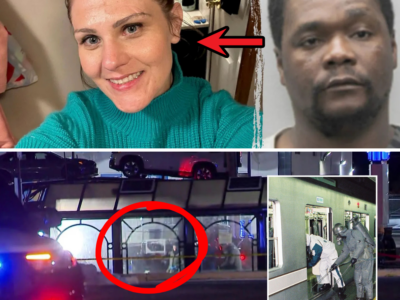
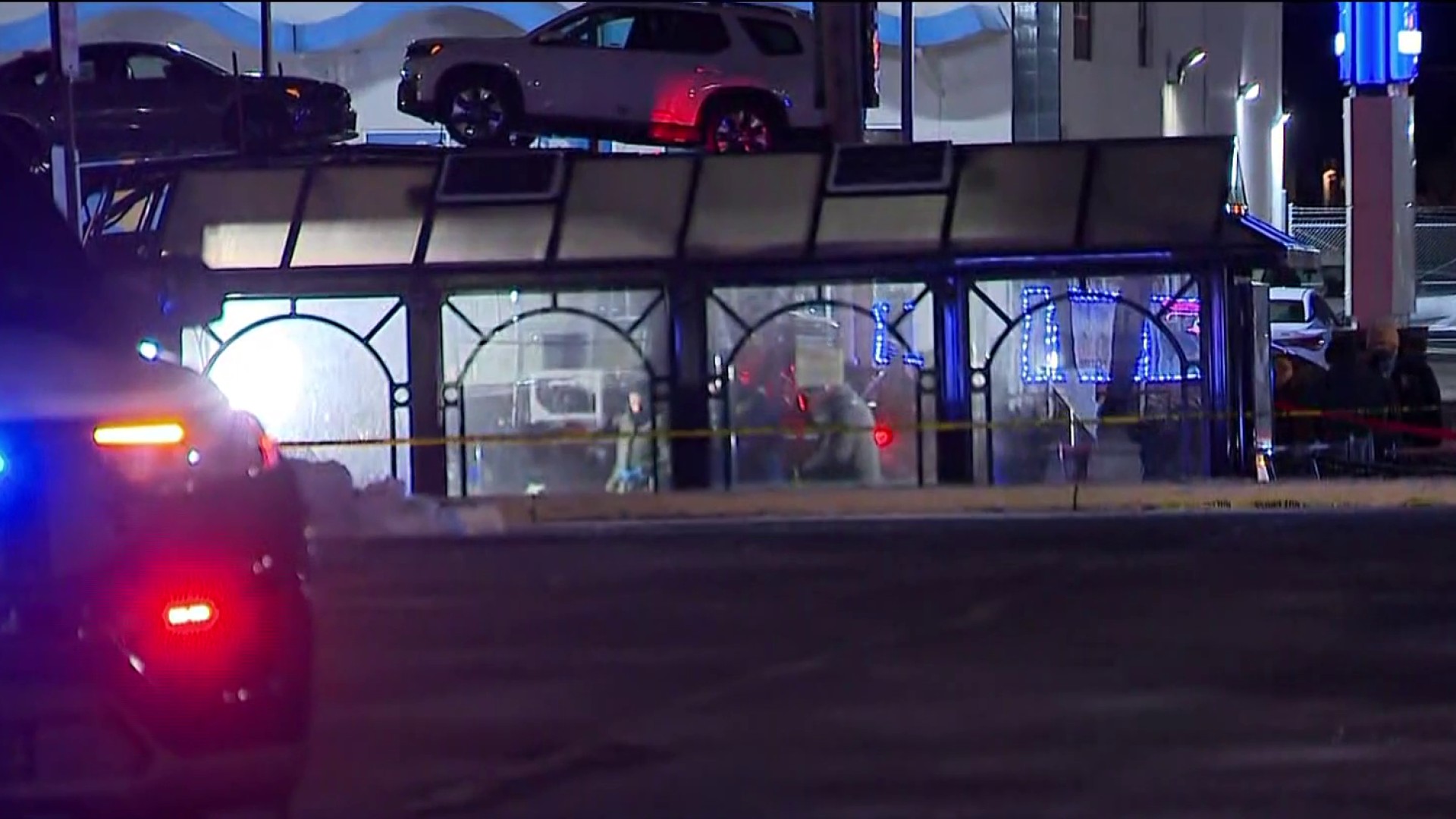
A quiet Monday evening in late February 2026 turned deadly at a bus stop shelter along Richmond Highway in Hybla Valley, Fairfax County, Virginia. Stephanie Minter, a 41-year-old mother from Fredericksburg, was waiting for her ride home when she was brutally stabbed multiple times in the upper body. She was pronounced dead at the scene, her life extinguished in what authorities describe as a seemingly random and senseless attack.
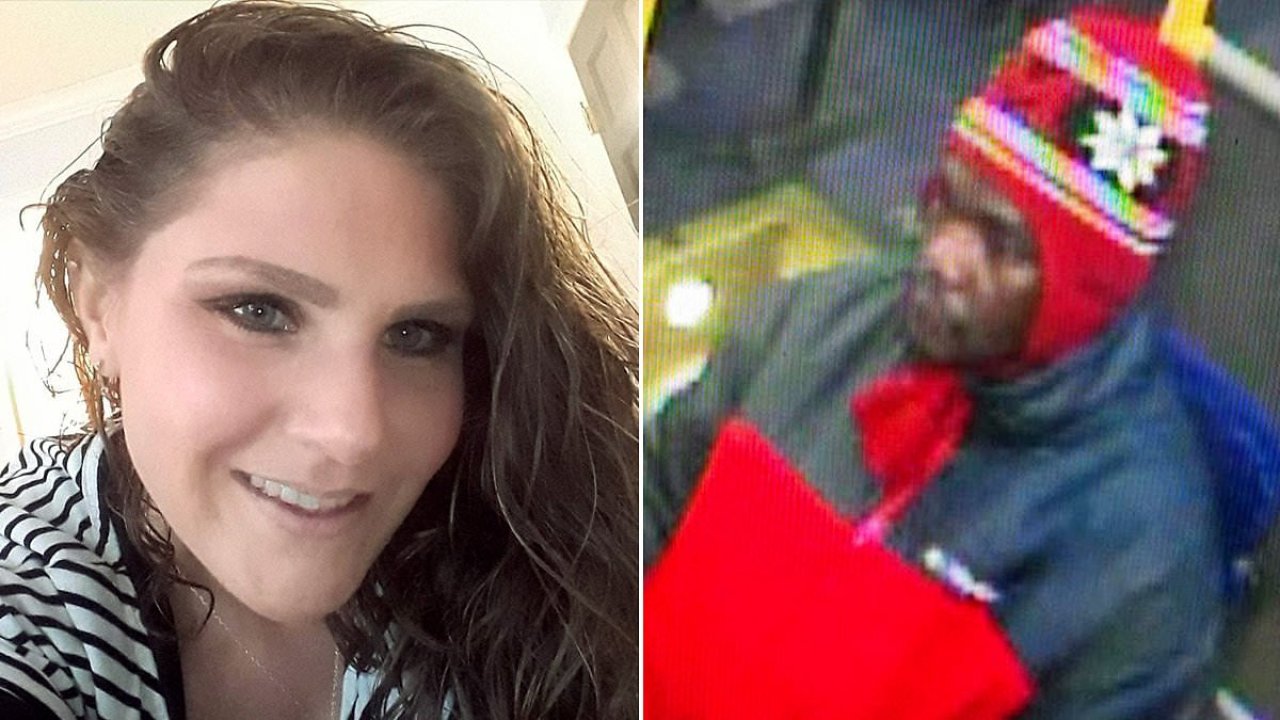
The suspect arrested the next day is Abdul Jalloh, a 32-year-old man originally from Sierra Leone who entered the United States illegally in 2012. Fairfax County Police charged him with second-degree murder and petit larceny for a separate theft earlier that day. An ICE detainer was immediately lodged, requesting authorities hold him for federal immigration proceedings rather than release him. Jalloh remains in custody without bond.
What has shocked the community and fueled national outrage is Jalloh’s staggering criminal history: more than 30 prior arrests spanning violent felonies and misdemeanors. Court records and federal statements detail charges including rape, multiple counts of malicious wounding, assault, drug possession, identity theft, trespassing, larceny, firing a weapon, contributing to the delinquency of a minor, and pick-pocketing. Several incidents involved stabbings—police sources indicate this killing marks the fifth stabbing linked to Jalloh over the years.
Yet despite this lengthy rap sheet, Jalloh repeatedly returned to the streets. Prosecutors dropped or reduced charges in many cases, allowing him to evade significant prison time. In 2020, ICE lodged a detainer after one arrest, and a judge issued a final order of removal—directing deportation to a third country rather than Sierra Leone. That order went unenforced, and Jalloh remained in the U.S., allegedly continuing his pattern of crime until the night he encountered Stephanie Minter.
The Victim: A “Beam of Light” Extinguished
Stephanie Nicole Minter was remembered in her obituary as a “happy, jolly individual, filled with love and adoration for her loved ones.” Family described her as “a beam of light in dark places,” someone whose warmth touched everyone she met. “Though she has taken new wings, the beauty she brought into this world remains forever in our hearts,” the tribute read. She is survived by her young son, her mother, three brothers, grandmother, numerous nieces, nephews, and a wide circle of friends who now grieve a sudden, violent loss.
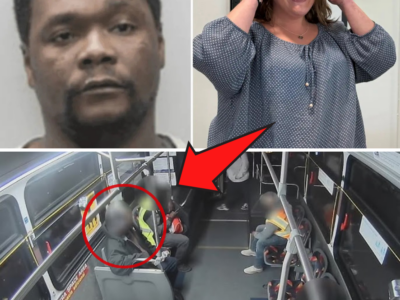
Minter had been in the area for reasons not fully detailed—perhaps visiting family or running errands—but she ended up at the bus shelter on the 7400 block of Richmond Highway around evening hours on February 23, 2026. Surveillance footage from the bus showed her boarding or riding with Jalloh, who exited with her at the stop. Whether they spoke, argued, or if the encounter escalated from nothing remains unclear; preliminary police information suggests the attack was random, with no prior relationship apparent.
The scene was grim: Minter collapsed inside the shelter, suffering multiple stab wounds that proved fatal before first responders could arrive. Emergency crews worked frantically, but she was gone. Fairfax County Police launched an immediate homicide investigation, releasing surveillance images of a person of interest—later identified as Jalloh—and urging the public to call if they spotted him.
A local business owner recognized him the following day, February 24, entering a store on Richmond Highway. The tip led to his swift arrest. Authorities praised the quick community response that ended the manhunt before it could stretch longer.
The Suspect’s Troubled Path Through the System
Abdul Jalloh, listed as having no fixed address, had become well-known to Fairfax County law enforcement long before this homicide. Court records paint a picture of repeated violent encounters: an alleged rape in 2018, followed by a series of four other stabbings or wounding incidents. Charges often included assault and battery, malicious wounding (a felony in Virginia involving intent to maim or disfigure), and weapons violations.
In many instances, prosecutors under Fairfax County Commonwealth’s Attorney Steve Descano—a progressive prosecutor elected in 2019—dropped violent charges or offered plea deals that resulted in minimal incarceration. Critics point to these decisions as part of broader “catch and release” policies that prioritize alternatives to incarceration for non-violent offenses but extend to some violent cases.
Federal involvement dates back to 2020, when ICE lodged a detainer following an arrest. A judge granted a final order of removal, specifying deportation to a country other than Sierra Leone—part of a DHS policy allowing third-country removals to circumvent asylum claims or home-country dangers. However, that order was not executed, and Jalloh stayed in the U.S.
The Department of Homeland Security wasted no time highlighting the case. On February 28, 2026, DHS issued a statement calling the murder “preventable” and blaming sanctuary-style policies in Virginia. Deputy Assistant Secretary Lauren Bis stated: “We are calling on Virginia Governor Abigail Spanberger and Virginia’s sanctuary politicians to commit to not releasing this murderer and violent career criminal from their jail without notifying ICE.”
Bis added pointed criticism: “This illegal alien’s murder of an innocent, beautiful American woman came less than 24 hours before Governor Spanberger’s demonization of ICE law enforcement. This heinous criminal is a perfect example of why we need cooperation from sanctuary jurisdictions and the importance of third-country removals for the safety of the American people.”
The timing amplified the controversy. Virginia’s policies under recent administrations have limited local-federal cooperation on immigration enforcement, aligning with sanctuary-leaning approaches in parts of the state. The case reignited debates over whether such policies endanger public safety when dealing with individuals who have extensive criminal records.
Broader Context and Reactions
Fairfax County, a populous suburb of Washington, D.C., has seen its share of violent crime, but a random fatal stabbing at a public bus stop hits particularly hard. Bus stops serve everyday commuters—parents, workers, students—and the vulnerability of waiting in public spaces became starkly apparent. Community members expressed fear and anger online, with many questioning how someone with dozens of arrests, including violent felonies, could remain free.
Political figures weighed in quickly. Former Virginia officials and conservative commentators blasted “catch and release” prosecutorial discretion and limited ICE cooperation. One social media post from a former state leader called it emblematic of failed policies that prioritize offenders over victims.
Minter’s family has not issued public statements beyond the obituary, but the grief is palpable. A mother taken too soon leaves a child without her guidance, a family shattered by sudden violence. Friends remember her laughter, her kindness, her role as a steady presence in their lives.
The investigation continues. Police are exploring any possible motive, though early indications point to a random act. Jalloh faces second-degree murder charges, which in Virginia carry 5 to 40 years, though prosecutors could seek enhancements given his history. The ICE detainer ensures federal involvement, potentially leading to deportation proceedings after any state sentence.
This tragedy joins a growing list of high-profile cases involving undocumented individuals with criminal histories committing serious crimes while removal orders linger. Advocates on one side argue for comprehensive reform and due process; others demand stricter enforcement and local-federal collaboration to prevent future losses.
For Stephanie Minter’s loved ones, the debate feels distant. They mourn a woman described as a “beam of light,” stolen in an instant at an ordinary bus stop. The shelter stands empty now, a silent marker of a life cut short and questions that may never fully be answered.
As Fairfax County grapples with the aftermath, the case underscores harsh realities: public safety, immigration enforcement, prosecutorial discretion, and the human cost when systems fail to align. One mother’s death has ignited calls for change—loud, urgent, and born from profound loss.