The sea has always been both provider and predator for the people of Gloucester, Massachusetts—the oldest fishing port in America, where generations have lived and died by the rhythms of the Atlantic. On January 30, 2026, that brutal truth struck again when the 72-foot fishing vessel F/V Lily Jean sank approximately 25 miles off Cape Ann in frigid, unforgiving waters. All seven souls aboard were lost: Captain Accursio A. “Gus” Sanfilippo, crew members Paul Beal Sr. and his son Paul Beal Jr., John Rousanidis, Freeman Short, Sean Therrien, and 22-year-old NOAA fisheries observer Jada Samitt on her first assignment at sea. The U.S. Coast Guard recovered only one body—Captain Sanfilippo’s—amid a debris field and an empty life raft. The search, spanning over 1,000 square miles in sub-freezing conditions, was suspended the next day.
In the wake of this tragedy, one voice has emerged to paint an intimate, heartbreaking portrait of the man at the helm: Michael Veil, a former crew member who spent more than ten years fishing alongside Gus Sanfilippo. Veil’s story is one of transformation, brotherhood, and profound loss—a testament to how one person’s guidance can change a life forever, and how the sea can take it away in an instant.
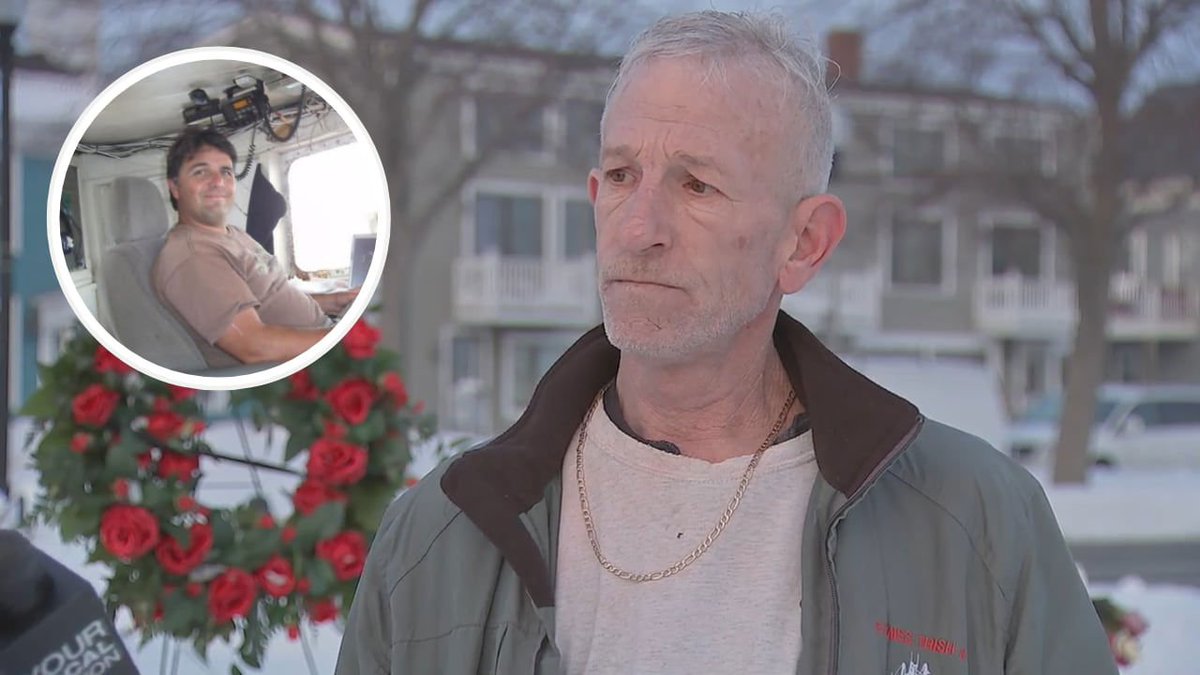
Michael Veil wasn’t born to the water. Hailing from Michigan, far from any ocean, he arrived in Gloucester years ago with a dream and little else. No family ties to the fleet, no childhood spent mending nets or reading tides—just a burning desire to become a commercial fisherman in one of the most demanding industries on Earth. Gloucester, with its storied harbor lined by weathered boats and the iconic Fisherman’s Memorial, can be an intimidating place for an outsider. But Veil found an unlikely mentor in Captain Gus Sanfilippo.
“Gussie was like a brother to me for so many years,” Veil told Boston 25 News in the days following the sinking, his voice heavy with grief. “He looked out for me. He let me live on the Lily Jean. He helped me get on my feet. He taught me everything I know about offshore fishing.”
For over a decade, Veil worked side by side with Gus on the very boat that now lies at the bottom of the Atlantic. The Lily Jean wasn’t just a vessel; it was a floating home, a workplace, and—for many—a family. Gus, a fifth-generation Gloucester fisherman born September 24, 1970, to Antonino Sanfilippo and the late Lillian (Piazza) Sanfilippo, carried the weight of that legacy every time he crossed the breakwater. He was known for his skill, his caution, and his unwavering care for his crew. In the 2012 History Channel documentary Nor’Easter Men, viewers saw Gus and his team battling ferocious winter storms on Georges Bank, hauling in haddock, lobster, and flounder during trips that stretched up to ten days. The footage captured the raw danger: towering waves crashing over the deck, ice coating lines and gear, men working through exhaustion in conditions that would break most people. Yet Gus remained steady at the helm, a quiet leader who prioritized safety and camaraderie.
Veil recalls those years vividly. Arriving as a greenhorn from the Midwest, he had to learn fast—how to set longlines, read weather charts, handle the relentless cold, and survive nights when sleep came in snatches between hauls. Gus didn’t just teach techniques; he taught survival. He showed Veil how to anticipate a blow, when to secure gear, how to trust instincts honed over generations. More than that, Gus offered a place to belong. Letting Veil live aboard the Lily Jean wasn’t charity—it was trust. It was family.

“He was my hero,” Veil said simply, the words carrying the weight of a decade at sea together. “He was skilled, kind, cautious, and always put his crew first. This doesn’t make sense. He wouldn’t take stupid risks. He loved that boat like family.”
That love extended to the boat’s name. The Lily Jean was christened after Gus’s daughter, a living reminder that every voyage was for those waiting on shore: his wife Lorie F. (Sutera) Sanfilippo, his children, his community. Gus balanced the demands of fishing with deep involvement on land. He served on the Gloucester International Dory Racing Committee, where friends remember him as a reliable teammate, teacher, and handyman—always ready with a tool or a word of encouragement. His Italian-American roots shone through in family gatherings filled with laughter, homemade meals, and stories of the old days on the water.
The sinking of the Lily Jean shattered that world. At 6:50 a.m. on January 30, the vessel’s EPIRB activated—no mayday call, no final transmission, just a silent distress signal from the cold Atlantic. Temperatures hovered near 12°F, with wind and waves turning the sea into a lethal force. The Coast Guard responded swiftly with helicopters, cutters, and small boats, but the conditions were merciless. Debris floated amid the waves; one unoccupied life raft bobbed empty. Gus’s body was found in the water, a grim confirmation amid hope that others might have survived. The rest—Paul Beal Sr. and Jr., the father-son duo who fished together; John Rousanidis, Freeman Short, Sean Therrien, and young Jada Samitt, whose vibrant spirit and dedication to science made her a beacon—remain lost to the depths.
Gloucester knows this pain intimately. The Fisherman’s Memorial, etched with thousands of names from centuries of loss, stands as a silent guardian over the harbor. Tributes poured in immediately: flowers piled at the statue, candles lit along the waterfront, flags at half-staff on boats. A fund through Fishing Partnership Support Services collected donations for the families. Vigils filled St. Ann Church, where mourners shared stories of Gus’s generosity and the unbreakable bonds of the fleet.
For Michael Veil, the shock runs deeper. The man who gave him a new life, a career, a sense of purpose is gone. The boat that was once his home is wreckage. “He took a chance on a stranger from Michigan,” Veil reflected, “and gave me everything.” In interviews, he pushed back against speculation about the cause, insisting Gus was too experienced, too careful to court unnecessary danger. The Coast Guard’s ongoing investigation will seek answers—weather, mechanical failure, human error—but for those who knew Gus, the why feels secondary to the who: a captain who mentored, protected, and loved fiercely.
This tragedy reminds us of fishing’s harsh reality. It’s not romantic adventure; it’s labor in extreme conditions, where every trip carries risk. Yet men and women like Gus continue because it’s heritage, livelihood, calling. They feed communities, sustain economies, and embody resilience. Gloucester’s fleet endures, but each loss carves deeper scars.
Michael Veil’s words echo through the grief: Gus was more than a captain. He was a brother, a teacher, a hero. His legacy lives in every fisherman he guided—including Veil, who now carries the lessons forward, even as the sea claims its toll.
The Atlantic is vast and indifferent, but the stories it leaves behind—of mentorship forged in spray and salt, of lives intertwined by shared peril—are indelible. In Gloucester, they honor Gus Sanfilippo not with silence, but with remembrance: every dawn departure, every safe return, every haul that feeds families. The Lily Jean may be gone, but the spirit Gus instilled sails on.
As Veil put it, the pain is raw, the disbelief overwhelming. Yet in sharing Gus’s impact, he keeps his hero alive—one story, one memory, one grateful life at a time.