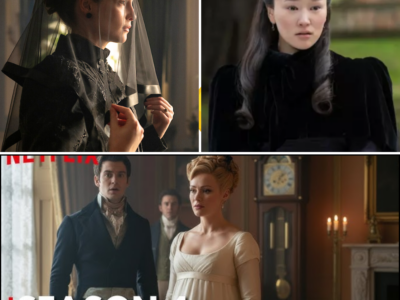
Shadows of Mourning and Shimmering Secrets: Bridgerton Season 4 Episode 7 Unleashes Raw Grief, a Life-Affirming Celebration, and a Cliffhanger Arrest That Shatters the Ton
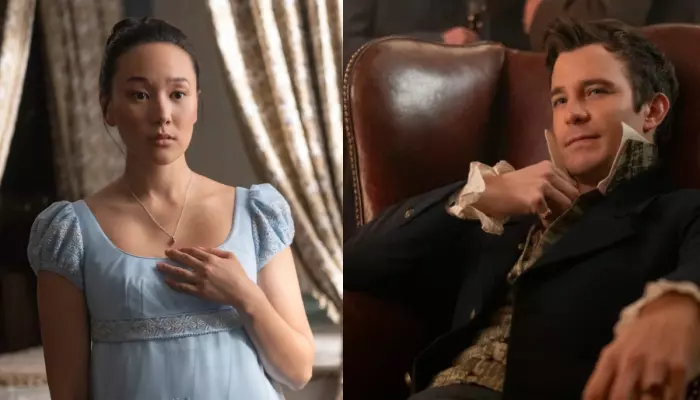
The black crepe draping Bridgerton House sets the tone immediately, transforming the once-vibrant London residence into a somber monument to sudden loss. John Stirling, Earl of Kilmartin, is gone, his unexpected death in the previous episode leaving widow Francesca shattered and the entire family reeling. Episode 7, the penultimate chapter of this glittering season, does not shy away from the pain. Instead, it dives headfirst into the messy, human reality of mourning while weaving in layers of romance, class warfare, hidden identities, and a jaw-dropping twist that will have fans replaying the final minutes for days.
Francesca emerges from the house in full widow’s weeds, her face a mask of quiet devastation. Outside, she discovers Michaela Stirling—John’s bold, charismatic cousin, played with magnetic fire by Masali Baduza—sitting on the ground, lost in her own grief. The two women walk together to the funeral, a silent bond forming in the shadow of shared sorrow. Benedict Bridgerton, ever the supportive brother, notes that Anthony would normally deliver the eulogy, a subtle reminder of family traditions upended by distance and duty. The service itself is understated yet piercing, the weight of absence hanging heavier than any spoken words.
Back at Bridgerton House for the wake, the emotional undercurrents swirl. Violet Bridgerton gracefully manages the flood of flowers from absent siblings Kate and Anthony, acknowledging their devastation at being unable to attend. Francesca throws herself into hostess duties, desperate for distraction, while Sophie Baek—the resourceful maid with a secret past portrayed by Yerin Ha—steps in to help. Sophie gently fixes Francesca’s hair, offering quiet wisdom drawn from her own experience of losing her father. “Honor their memory by living fully,” she advises, her words landing like a lifeline. When Francesca returns wearing her mother’s necklace, Sophie notices its absence earlier, a small but telling detail that hints at deeper emotional fractures.
Outside, fetching mint for refreshments, Sophie literally collides with Benedict. Their chemistry crackles even amid tragedy. He thanks her for supporting his sisters; she expresses genuine heartbreak for the family. When he asks if she’s still leaving at week’s end, Sophie confirms her plans, sensing the household needs space to heal. Benedict urges her to go, his voice cracking with vulnerability: he’s barely holding himself together for his family and fears her presence might unravel him completely. It’s a raw admission from a man who has spent the season chasing a mysterious “Lady in Silver” from a masquerade ball—unaware that the woman right in front of him is the one who has haunted his dreams.
The wake unfolds with intimate family moments that feel achingly real. Francesca and Michaela sit by the fire, the younger widow craving silence yet begging her companion to fill it. Michaela shares Scottish traditions of celebrating life rather than wallowing in mourning—feasting, storytelling, laughter through tears. She proposes turning the next gathering at Kilmartin House into a joyous remembrance of John. Francesca recoils, calling it a “circus” that changes nothing, prompting Michaela to storm off hurt. The clash highlights two very different ways of processing loss: quiet denial versus cathartic release.
Lady Danbury announces her impending departure to Violet, lamenting the Queen’s reluctant approval while delighting in Violet’s budding romance with Lord Marcus. At the palace, Queen Charlotte grapples with the loss of her confidante, the absence of Lady Whistledown’s gossip from the funeral adding to her isolation. Eloise and Penelope offer Francesca gentle comfort, only for the widow to reveal a bombshell: she believes she is carrying John’s child, her courses having stopped. “He left me this gift,” she says, clinging to the idea as a way to keep him alive. The room fills with cautious hope.
Meanwhile, Benedict confronts his mother about Sophie. Violet has always preached love matches, yet she balks at her son’s feelings for a maid due to rigid class lines. “Would you have discarded Father if his status was improper?” Benedict challenges, storming away and leaving Violet to wrestle with her own principles. Later, Violet finds Sophie on the floor searching frantically for her missing necklace—the very one tied to her hidden identity. Grateful for Sophie’s help with the funeral, Violet probes whether Benedict is the reason for her departure. Sophie insists she is merely a maid, unsuitable for his world. Violet, softening, wishes the world were different and hints at undisclosed history that might allow a match. It’s a pivotal olive branch, one that underscores the season’s central tension: love versus society’s unforgiving rules.

Hyacinth, the youngest Bridgerton, spirals in her own crisis of faith. Questioning whether love is worth the inevitable pain and loss, she tells Eloise she has been right all along about romance’s dangers and dramatically discards her society trinkets. The scene adds youthful rebellion and philosophical depth to the episode’s exploration of grief’s ripple effects.
On the other side of the ton, darker forces gather. Lady Araminta Gun, Sophie’s cruel stepmother figure, arrives in town with daughter Rosamund, ordering stepdaughter Posy to remain behind with Mrs. Varley. A knowing glance between Araminta and Varley signals a trap is being set. Posy later escapes through a window to warn Sophie at Bridgerton House: Araminta plans to have her arrested over stolen shoe clips from years ago. Varley apologizes for her unwilling role in the scheme. Sophie shares her plan to take a new position with a family sailing to the Americas in three days, urging Posy not to let her mother win. The two part with heartbreaking affection, Posy defending her mother’s past while acknowledging her cruelty.
Back inside, Benedict escorts Mr. Dundas from the House of Lords to discuss estate succession with Francesca. When she mentions her suspected pregnancy, the lawyer demands a physician’s confirmation, citing strict parliamentary rules on inheritance and titles. Francesca resists the invasion of privacy; Benedict erupts at the cold machinery of society. She eventually consents. The examination delivers crushing news: there is no baby. Francesca collapses in sobs, convinced she has failed John by not providing an heir. “You gave him eight pieces of yourself,” Violet reminds her gently, referencing her own eight children with the late Edmund. “I have nothing of him left,” Francesca weeps. Michaela listens outside the door, her face etched with empathy and something deeper—foreshadowing the complex future romance book fans have anticipated.

Violet later reflects with housekeeper Mrs. Wilson on her own widowhood and the realization that children need love more than perfect answers. She then seeks out Benedict, acknowledging his profound feelings for Sophie and the sacrifices such a match would demand: social ostracism, rural isolation, missed family milestones. Yet she gives her blessing if the love is true, extracting only a promise that he thinks carefully because choices last forever. It’s a beautiful, mature evolution for Violet, one that feels earned after seasons of gentle guidance.
As the household processes the false pregnancy blow, Benedict checks on Francesca at the piano. He plays a light melody to coax a smile, reminding her that John wanted a child but wanted her more—he lit up the world with joy. Inspired, Francesca tells Michaela to act joyful until the feeling returns. Together they plan a celebration of John’s life rather than another funeral.
The party becomes the episode’s emotional high point. Michaela opens with a heartfelt toast, calling John her guiding light and balance. Guests share warm memories. Francesca speaks through tears: “It is inconceivable he is gone. Our plans shattered. Yet he was my truest friend, and the good far outweighs the pain.” She raises a glass. Michaela then performs a lively Scottish childhood dance, pulling Francesca in. Laughter echoes for the first time in days, catharsis washing over the room like spring rain.
While the celebration unfolds, Benedict slips away. Violet leaves him her grandmother’s cherished ring on his desk—a silent endorsement. He rides urgently to Bridgerton House, where Sophie is packing her few belongings, including letters and the single glove from their masquerade meeting. Benedict discovers the ring he once gifted her, then spots her necklace on the floor—the exact piece worn by the Lady in Silver. The pieces slam together: Sophie is the woman he has searched for all season.
Heart pounding, he finds the matching glove in her room and races downstairs. Servant Hazel informs him Sophie has accepted the American position and boards tomorrow. Benedict’s world spins with possibility—until the front door bursts open.
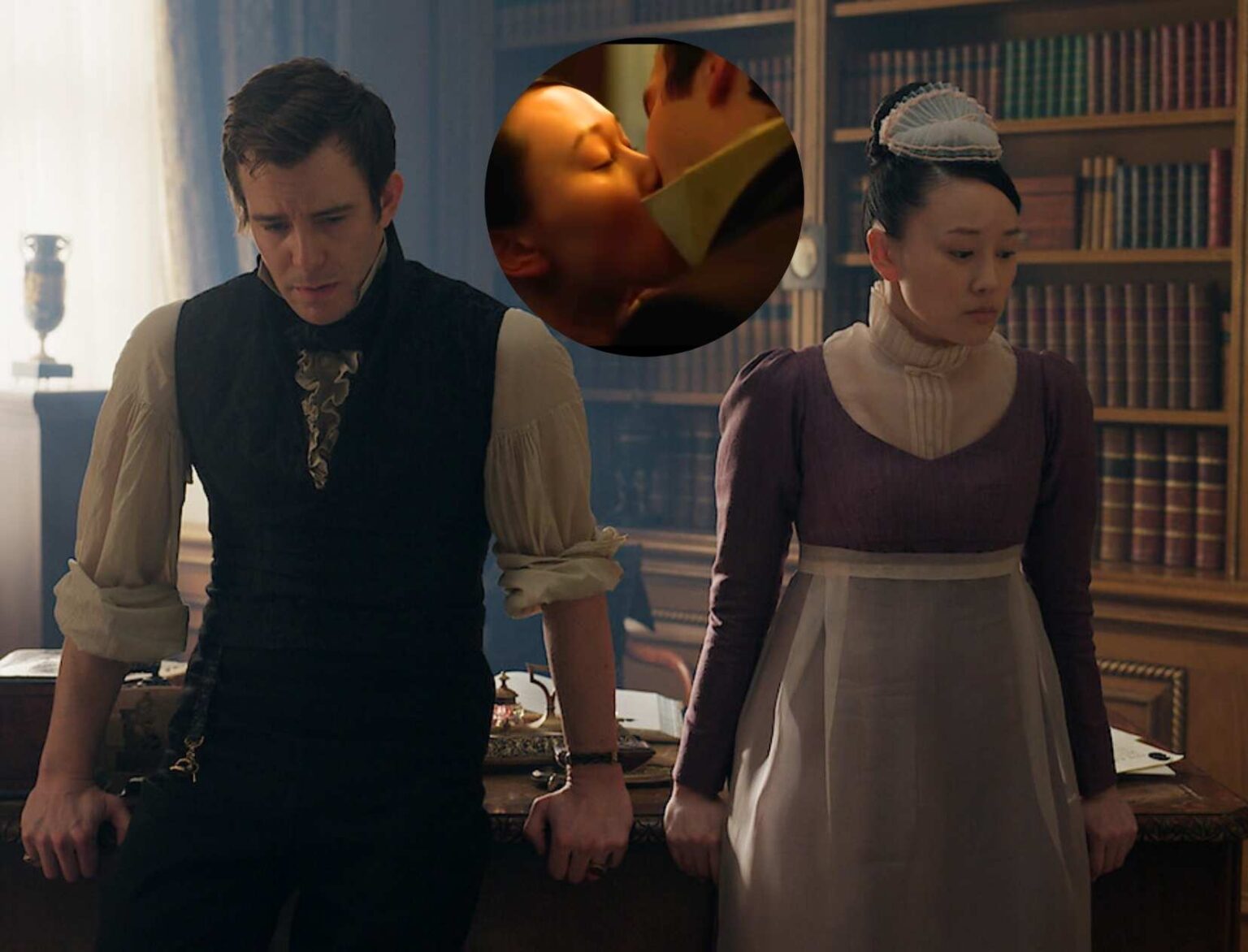
Lady Araminta storms in with a constable, declaring Sophie under arrest for the theft of valuable shoe clips. The maid is dragged into a jail cart, her face a mask of terror and resignation. Benedict bursts out just as the cart pulls away, too late to intervene. The screen fades on his desperate, dawning realization and Sophie’s uncertain fate, leaving viewers with a cliffhanger that merges romance, injustice, and high-stakes drama.
This episode masterfully balances multiple threads. Francesca’s arc—from stunned widow to hopeful mother-to-be to grieving failure—delivers some of Hannah Dodd’s finest work yet, raw and nuanced. Michaela’s introduction as a gender-swapped, queer-coded love interest adds fresh representation and intriguing tension. Benedict and Sophie’s slow-burn Cinderella story reaches a fever pitch; Yerin Ha and Luke Thompson share screen magnetism that crackles with longing and unspoken history. Violet’s growth from rule-bound matriarch to champion of true love provides emotional anchor. Even smaller moments—Hyacinth’s rebellion, Queen Charlotte’s loneliness, Posy’s quiet defiance—enrich the world without diluting focus.
Thematically, Episode 7 interrogates how society processes death and love. Scottish celebration versus English restraint. Aristocratic duty versus personal happiness. Hidden identities versus authentic connection. Araminta’s villainy, rooted in her own past losses and inability to produce an heir, adds tragic layers to her cruelty, making her more than a one-note antagonist. The false pregnancy reveal devastates not just Francesca but the audience, stripping away easy resolutions and forcing characters to confront life’s unfairness.
Production details elevate every frame: the muted color palette of mourning blacks and grays, the warm candlelight of the celebration, the swelling score that shifts from somber strings to hopeful reels. Costumes speak volumes—Sophie’s simple maid attire contrasting the finery she once wore as the Lady in Silver. Cinematography lingers on faces during confessions, capturing micro-expressions of hope, regret, and awakening.
For fans of Julia Quinn’s novels, the gender swap of Michael to Michaela and the accelerated timeline create delicious anticipation for Francesca’s future. Benedict’s arc, long teased as the artistic free spirit, finally hurtles toward commitment, echoing the Cinderella fairy tale while grounding it in Regency-era class warfare. The shoe-clip arrest, tied to Sophie’s stepfamily’s theft and gaslighting, sets up a courtroom battle and will hunt in the finale that promises high drama.
Social media is already ablaze. “That necklace drop had me screaming,” one viewer posted. “Violet giving Benedict the ring? Mother of the year.” Theories swirl about Sophie’s escape, Benedict’s rescue, and whether Araminta’s past will be exposed. The episode’s final image—Sophie in the cart, Benedict running—mirrors classic romantic cliffhangers while feeling utterly fresh.
As Bridgerton hurtles toward its season finale, Episode 7 reminds us why the show captivates millions: it blends spectacle with soul, gossip with genuine feeling, fantasy with unflinching truth about love’s costs. Grief does not end neatly. Revelations arrive at the worst moments. And sometimes, the person you’ve been searching for has been serving tea in your own home all along.
The ton will never be the same. Neither will we.