The Johnny Gaudreau murder case, already a raw wound for the hockey world and two grieving families, has just been thrown into utter turmoil with a development that could upend everything prosecutors have built.
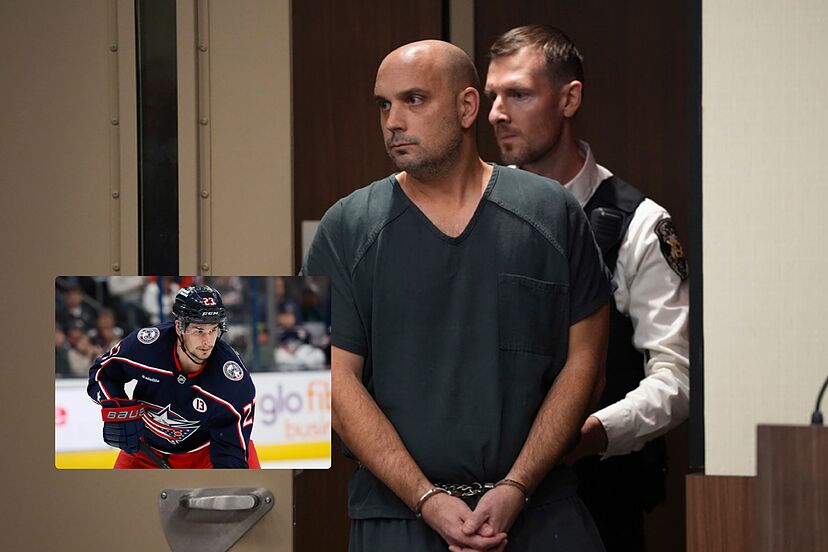
On Tuesday, February 24, 2026—barely 24 hours after the U.S. men’s hockey team hoisted Olympic gold in Milan and paraded Johnny’s No. 13 jersey across the ice in a tear-jerking tribute—Sean Higgins appeared virtually in Salem County Superior Court. His defense attorney, Richard Klineburger, dropped a bombshell: new expert analysis shows Higgins wasn’t legally drunk at the time of the fatal crash. The blood-alcohol concentration (BAC) prosecutors touted as 0.087—above New Jersey’s 0.08 limit—was based on plasma testing, not whole blood. Adjusted properly, the defense claims, Higgins’ true BAC was 0.075, below the legal threshold.
Klineburger didn’t hold back. “It seems that it was plasma that was tested, not whole blood,” he told Judge Michael Silvanio during the virtual hearing. “Based upon our expert report, that brings the actual BAC reading down to .075.” He argued the inflated figure “taints” the entire grand jury indictment, potentially swaying jurors who heard the higher number when deciding on the most serious charges. The defense has filed a motion to dismiss the indictment outright, demanding the case be sent back to a new grand jury with the corrected toxicology evidence.
Prosecutor Michael Mestern pushed for time to review the findings with his own experts and investigators. Judge Silvanio granted the request, setting the next hearing for April 14, 2026. If the state concedes the plasma distinction holds, prosecutors could seek a fresh indictment—possibly with reduced or altered charges. Plea negotiations are also encouraged; Higgins previously rejected a 35-year offer and countered, though details remain sealed.
This twist lands like a body check in an already brutal saga. Rewind to August 29, 2024: Johnny Gaudreau, 31, the electrifying Columbus Blue Jackets forward nicknamed “Johnny Hockey,” and his brother Matthew, 29, a former minor-leaguer and devoted family man, were cycling single-file along the shoulder of County Route 551 in Oldmans Township, New Jersey. They were home for their sister Katie’s wedding the next day—a celebration that turned into unimaginable grief.
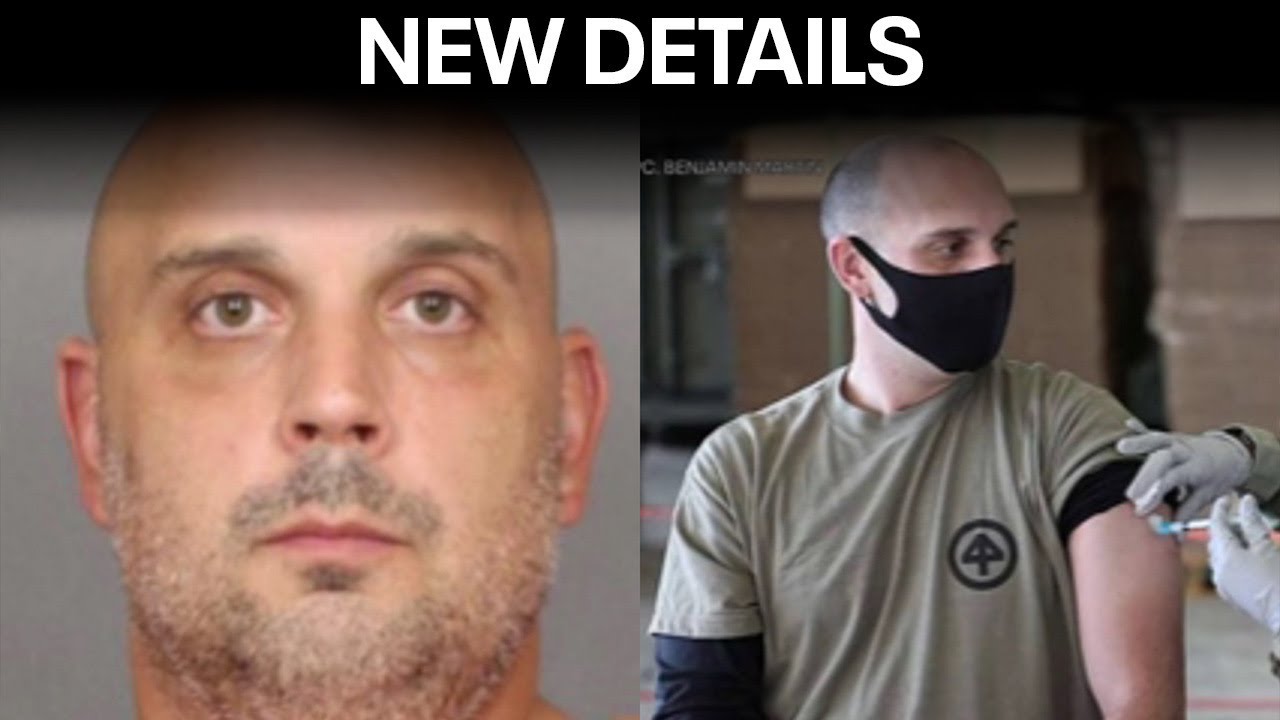
Sean Higgins, then 45 (now listed variably as 43-45 in reports), drove a Jeep Grand Cherokee northbound. Witnesses described erratic behavior. An SUV ahead slowed to give the cyclists room, edging into the oncoming lane. Higgins allegedly attempted to pass on the right shoulder—partly on grass—and struck the brothers with catastrophic force. He pulled over a quarter-mile away. Officers found him there.
Higgins admitted to drinking five or six beers earlier, saying he hadn’t had one in “like two hours.” Initial toxicology pegged his BAC at 0.087. He failed field sobriety tests, appeared glassy-eyed, and reportedly told troopers, “I hit them.” Bodycam captured him asking, “Is anybody dead back there?” He was arrested on the spot.
Charges followed swiftly: two counts of first-degree aggravated manslaughter, two counts of second-degree reckless vehicular homicide, leaving the scene of a fatal accident, and tampering with physical evidence. Maximum exposure: up to 70 years. Higgins pleaded not guilty, rejecting any deal that would see him serve decades.
The defense has battled relentlessly. Earlier motions to suppress Higgins’ on-scene statements—claiming no Miranda rights and a request for an attorney—failed. Judge Silvanio ruled police were appropriately gathering facts on a rural road; rights were read later after sobriety tests, though Higgins kept talking. Attempts to paint the Gaudreaus as partially at fault (e.g., intoxication or positioning) were rejected.
Now, the plasma vs. whole-blood distinction has ignited fresh fire. Forensic science recognizes that plasma (the liquid part of blood) can show higher alcohol concentrations than whole blood (which includes red cells that dilute it). Conversion factors exist, but discrepancies can torpedo cases if juries question reliability. The defense’s expert recalculated to 0.075—legally sober for driving. They argue presenting 0.087 misled the grand jury, influencing indictments on intoxication-linked charges like aggravated manslaughter.
Even if BAC falls below 0.08, the case isn’t automatically dead. Reckless vehicular homicide and manslaughter can stand on dangerous driving alone—erratic maneuvers, illegal shoulder pass, failure to yield. Higgins’ admission of drinking, failed sobriety tests, and leaving the scene briefly remain damning. Tampering allegations (possibly evidence handling) linger. Prosecutors could pivot to emphasize recklessness over intoxication.
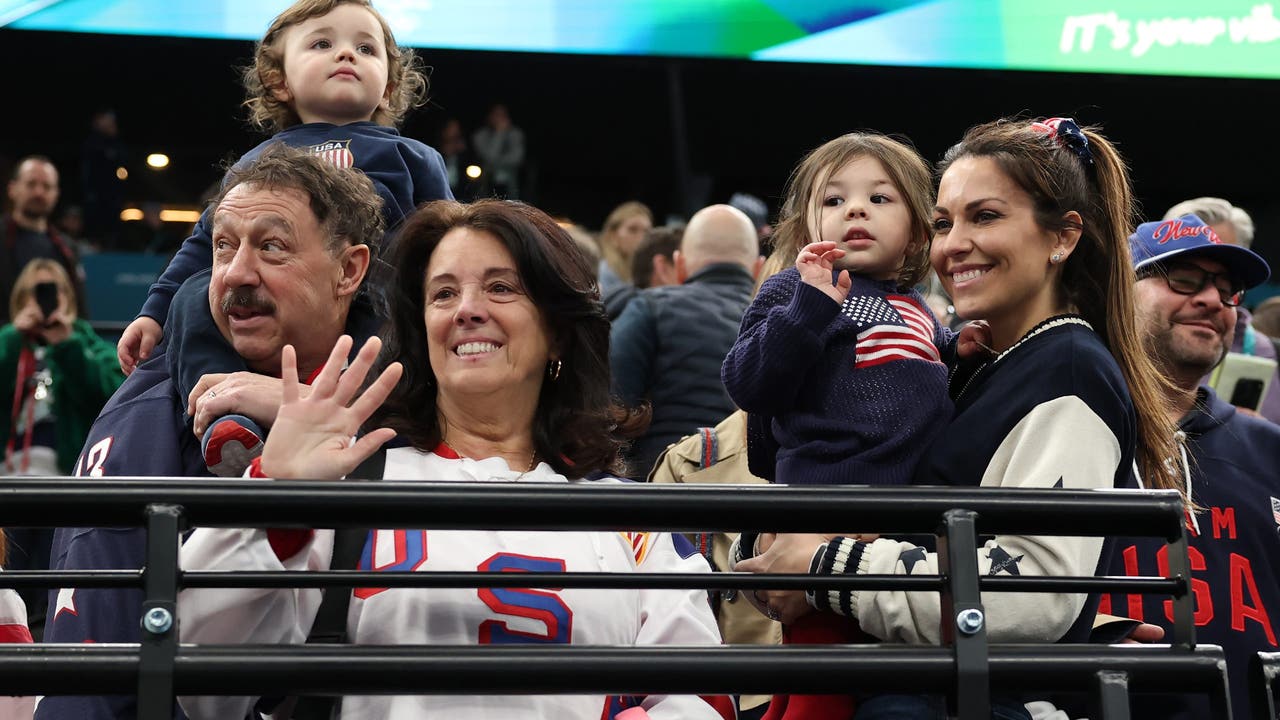
Yet the optics are explosive. Hockey fans worldwide are furious. Social media erupts: “Technicality while two families bury their sons?” “Blood test games after Olympic tribute?” The timing amplifies the pain. On February 23, 2026, Team USA defeated Canada 2-1 in overtime for gold—their first dominant showing in decades. They honored Johnny by hanging his jersey in the locker room, carrying it onto the ice (Dylan Larkin and Matthew Tkachuk leading), and inviting his children—Noa (3) and Johnny Jr. (2)—for the team photo. Zach Werenski, who assisted on the winner, said: “It meant everything… This is something John would have been at… Super special to see them and to have his kids on the ice, he was a huge part of USA hockey.”
The Gaudreau family attended the semifinals in Milan, mixing pride with heartbreak. Johnny, a shoo-in for the roster, should have been there. Instead, his legacy became a memorial amid joy. Then came the courtroom chaos.
The Gaudreaus—parents Guy and Jane, widow Meredith, Matthew’s wife, and the kids—have stayed dignified. Meredith shares glimpses of life moving forward: beach days marking anniversaries, quiet strength. They’ve channeled grief into charity, honoring the brothers’ love of hockey and family. No public comment on this BAC twist yet, but the renewed uncertainty must feel like salt in an open wound.
Broader ripples spread. Forensic experts note plasma/whole-blood debates aren’t rare in DUI cases; proper protocols matter. Here, it strikes at the indictment’s core. Public outrage simmers—NHL communities in Columbus, Calgary (Johnny’s former team), and beyond see justice slipping. If charges downgrade or a new grand jury softens them, questions of accountability loom.
Johnny Gaudreau’s legacy endures: undersized wizard with 609 NHL points, heart of gold, fan favorite. Matthew left a young family, equally passionate about the game. Their deaths sparked bike-safety talks, rural-road dangers, impaired-driving horrors.
As April 14 approaches, the hockey world holds its breath. Will prosecutors fight the BAC revision? Concede and re-indict? Push for plea? Or head to trial, where every detail—erratic driving, admissions, failed tests—will face scrutiny?
One thing is certain: this case, born of tragedy, has become heartbreakingly complex. The pursuit of justice for Johnny and Matthew Gaudreau hangs by a thread of science and procedure. Fans, families, and the sport brace for the next blow.
In a game of inches and split-seconds, this legal battle feels endless. But the memory of two brothers cycling home under summer stars—full of life, family, future—demands resolution that honors their loss.