❤️ “I Will Never Return” — ISIS Bride Who Slammed Australia’s Culture Now Pleads to Come Home! The Hypocrisy Exposed in Explosive Twist 😱
The dramatic reversal has left Australia reeling. Women who once publicly rejected their homeland, criticizing its values, freedoms, and way of life while embracing the brutal ideology of Islamic State, are now desperately pleading to return. After years trapped in Syrian detention camps following the collapse of the so-called caliphate, these former ISIS brides are reversing course, seeking the very Australian passport and protections they once scorned. Their pleas come as a fresh group has arrived or is arriving on Australian soil, triggering arrests, intense public outrage, and a fierce national debate over citizenship, security, and accountability.

One resurfaced interview from 2019 captures the stunning hypocrisy at the heart of this saga. Janai Safar, a former Sydney nursing student who traveled to ISIS-controlled Syria in 2015 and married an Islamic State fighter, declared she would never bring her son back to Australia. “It was my decision to come here to go away from where women are naked on the street. I don’t want my son to be raised around that,” she told The Australian. She expressed no regret about living under Islamic State and criticized coalition forces while defending her choices. Now, Safar is among those returning, landing in Australia with her young son as part of a group facing potential arrest upon arrival.
Her words, once a sharp condemnation of Australian society, now highlight a profound shift driven by harsh reality. The dusty, dangerous confines of camps like Al-Roj have replaced the rigid but empowering “caliphate” dream. Daily survival struggles — limited food, safety threats, and lack of opportunities — have replaced ideological fervor for many. These women, once vocal supporters or participants in a regime known for atrocities, now frame themselves as victims seeking a fresh start in the country they left behind.
The latest wave involves four women — including Melbourne grandmother Kawsar Abbas and her adult daughters Zahra and Zeinab Ahmed, along with Janai Safar — and nine children. They traveled from Syria’s Al-Roj camp via Qatar, arriving in Sydney and Melbourne. Australian Federal Police have confirmed some face immediate arrests on terrorism-related charges or slavery offenses, while others undergo intense monitoring. The government insists it provided no direct repatriation assistance, only identity verification for citizens, yet the returns have ignited fury across political lines.
This isn’t the first group, nor will it likely be the last. Estimates suggest around 30-40 Australians, mostly women and children linked to ISIS, remain in or have attempted escape from these camps. Their stories blend radicalization, personal regret, family pressure, and legal complexities surrounding citizenship.
Take Kirsty Rosse-Emile, a Melbourne woman who traveled to Syria in 2014 at age 19 with her husband Nabil Kadmiry. Her case exemplifies the contradictions. Once posting radical content online — including hardline religious quotes, support for jihad, and images glorifying terrorist figures — she now pleads for repatriation alongside her children. In recent interviews, she describes life in the camp as dangerous and restrictive, claiming she faces harassment for not fully conforming to strict norms and insists she poses no threat to Australia. “Hello, I’m here. Can you just come and get me finally and my children and all the other Australians here? We’re ready to start our lives afresh,” she appealed.
Yet her father, Guy Rosse-Emile, offers a contrasting account that challenges the narrative of naivety or trickery. He asserts his daughter went willingly to live under the caliphate, not tricked into it. “When she said, ‘Oh, I was tricked’ and all that, it’s not true,” he told reporters, expressing anger at both his daughter and the Australian government. He believes she should remain in a Muslim country aligned with the life she once chose. Her former housemate has even claimed the teenage Kirsty expressed desires to “make bombs” instead of returning to school, adding layers of concern about her past radicalization.

These personal stories fuel broader questions. How did young Australian women, some converts or raised in the country, become drawn to ISIS? Online grooming, personal dissatisfaction with Western life, ideological exposure, and romantic entanglements with fighters all played roles. Many married ISIS members, bore children in the caliphate, and lived under its harsh rules — rules they sometimes enforced on others, according to survivor testimonies from Yazidi and other victims of ISIS enslavement and brutality.
The conditions in Al-Roj and similar camps are undeniably dire. Overcrowding, violence, poor sanitation, and limited medical care create a humanitarian crisis. Children born there know little else, raising ethical dilemmas about their futures. Advocates argue Australia has a responsibility to its citizens, especially minors, and that deradicalization programs, monitoring, and prosecution offer the best path. Critics counter that these women made conscious choices to join a terrorist organization responsible for mass murder, sexual slavery, and global terror, forfeiting easy claims to return.
Public sentiment runs hot. Many Australians view the returns as a betrayal of national values and a security risk. Why should taxpayers fund reintegration for those who rejected the society that nurtured them? Opposition figures and commentators question the government’s handling, demanding transparency on monitoring plans, potential radicalization risks to communities, and lessons from past repatriations. Supporters of return emphasize rule of law, citizenship rights, and the innocence of children caught in adult decisions.
Security officials walk a tightrope. ASIO and federal police stress rigorous assessments, with arrests where evidence supports charges like entering a declared terrorist zone. Yet monitoring lifelong poses challenges in a vast country. Past cases show some returnees integrate quietly under surveillance, while risks of recidivism or influence on others linger. The fentanyl of extremism — online propaganda — remains accessible, complicating deradicalization.
The timing amplifies tensions. Australia, like many nations, grapples with cost-of-living pressures, social cohesion debates, and global instability. Bringing back individuals linked to one of history’s most barbaric regimes feels tone-deaf to some, especially as victims of ISIS still seek justice. Yazidi leaders have voiced trauma at the prospect of sharing space with former camp enforcers or sympathizers.
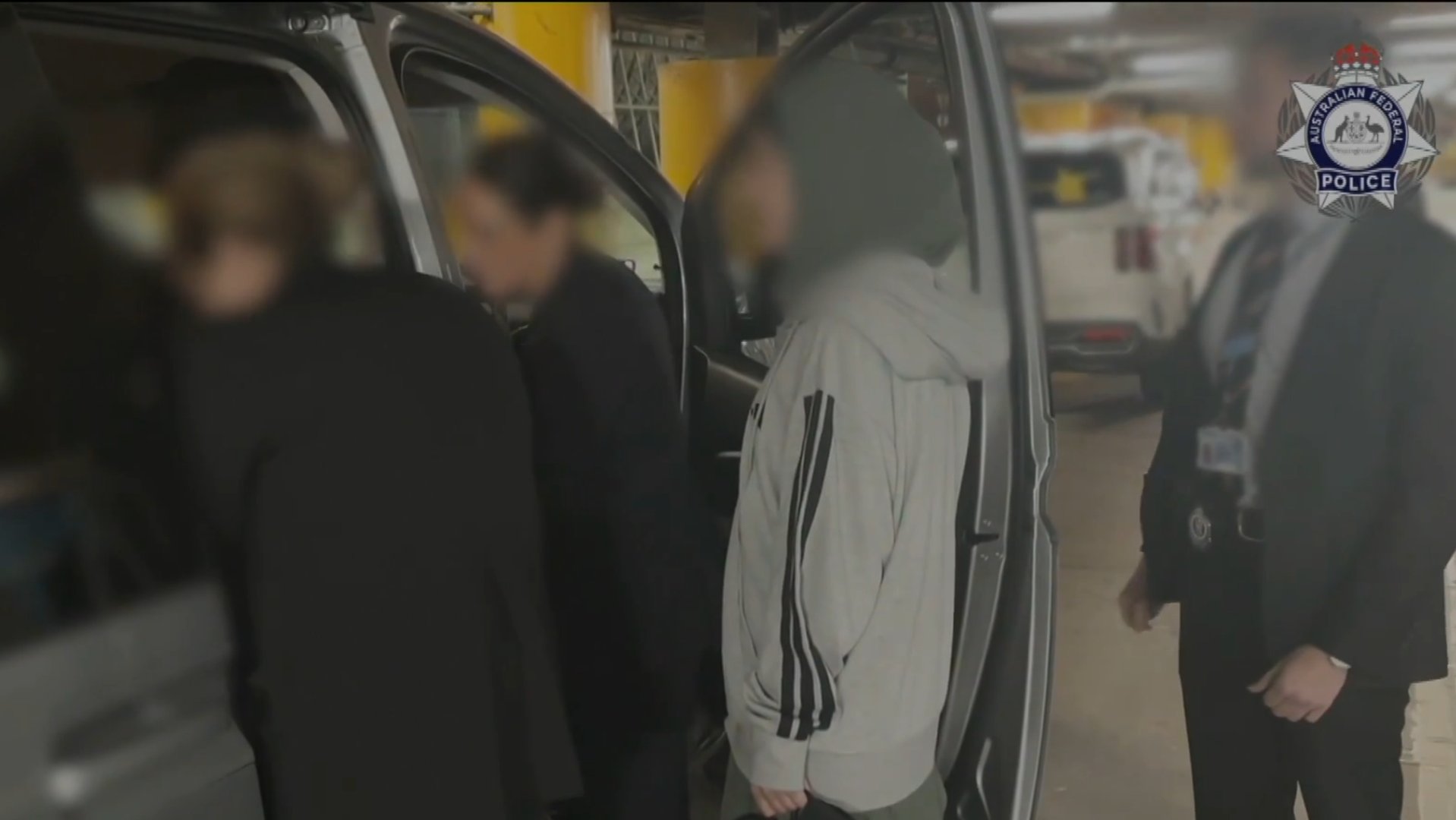
Legally, Australia cannot easily strip citizenship without risking statelessness, particularly for those born here. Past governments stripped some dual nationals, but core cases remain complex. Courts and international obligations bind decisions, even amid public outrage. The Albanese government maintains a firm stance — no active repatriation, full force of law upon return — yet practical realities of citizens booking flights and arriving have forced reactions.
Behind the headlines lie human stories of loss and consequence. Children who never knew Australia now face culture shock, potential stigma, and intensive support programs. Mothers navigate guilt, trauma from war and camp life, and accountability for choices that shattered families. Some express genuine remorse; others appear pragmatic, seeking safety and opportunity where ideology once promised utopia.
One woman’s journey from Melbourne suburbs to Syrian desert to dusty camp illustrates the arc. Radical online posts gave way to marriage, motherhood amid conflict, surrender to Kurdish forces, and years of confinement. Her pleas now mix victimhood with vague readiness for a “fresh start.” Skeptics demand full accountability — what role did she play? Did she witness or participate in atrocities? Will she renounce extremism unequivocally?
Similar questions surround the group. Janai Safar’s 2019 defiance contrasts sharply with her current return. Others like the Ahmed family add generational layers, with mothers and daughters entangled in the saga. Their arrival marks a new chapter testing Australia’s resilience, justice system, and values.
Experts warn against simplistic narratives. Radicalization often targets vulnerabilities — identity crises, isolation, ideological appeal of purpose and belonging. Countering it requires understanding without excusing. Successful reintegration elsewhere, like in some European programs, mixes prosecution, rehabilitation, and monitoring, but success rates vary and failures carry deadly risks.
Australia’s approach emphasizes border integrity and law enforcement. Providing passports for identity verification while withholding active assistance reflects a middle path — citizens can return but face consequences. Yet critics argue this still burdens society with risks and costs that could have been avoided through firmer prevention or earlier decisions.
As flights land and arrests unfold, families divided by distance and ideology confront reunions laced with pain. Fathers like Guy Rosse-Emile wrestle with estrangement and principle. Siblings process grooming claims versus personal agency. Communities eye newcomers warily, balancing compassion with self-preservation.
This saga forces uncomfortable reckonings. What duties does a nation owe citizens who betray its core? How to protect innocents without rewarding harmful choices? Can former extremists truly reform, or does ideology linger like a dormant virus?
The women’s dramatic U-turn — from condemning “naked women on the streets” and embracing caliphate life to begging for return — exposes the gap between ideological fantasy and grim reality. Life under ISIS delivered not glory but destruction, loss, and eventual imprisonment in camps. Australia, for all its flaws they once decried, now represents safety, opportunity, and rule of law.
Whether genuine transformation or survival strategy remains the pivotal unknown. Intelligence agencies will investigate, courts may prosecute, and society will watch closely. Deradicalization efforts, community support, and long-term monitoring will determine outcomes.
For now, the returns underscore a harsh truth: choices have consequences, but citizenship creates enduring ties. Australia must balance justice with pragmatism, security with humanity. The eyes of a nation scrutinize every step — from airport tarmacs to integration programs — as these ISIS brides attempt to reclaim lives they once so fervently rejected.
The debate will rage on social media, in parliament, and around dinner tables. Some call for compassion and second chances, especially for children. Others demand permanent exclusion where possible, viewing return as an insult to victims and veterans who fought ISIS. Politicians navigate voter anger against legal and moral constraints.
Ultimately, this exclusive chapter reveals more than individual reversals. It tests a democracy’s capacity to handle betrayal from within, the enduring pull of home despite rejection, and the complex legacy of foreign fighters’ families. As arrests proceed and new lives begin under watchful eyes, Australia confronts whether mercy or firmness better safeguards its future.
The women who once slashed their homeland’s culture now seek its embrace. Their success or failure in reintegration will echo far beyond personal stories, shaping policy, trust, and national identity for years ahead. Australians deserve transparency, rigorous oversight, and honest reckoning with these uncomfortable truths. Only then can justice, security, and healing coexist in the shadow of choices made long ago in pursuit of a dark ideology.