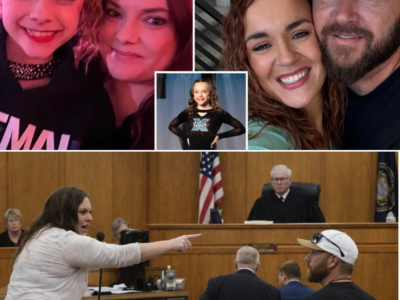
The tragic murder-suicide of 11-year-old cheerleader Addi Smith and her mother, Tawnia McGeehan, unfolded over a weekend that should have been filled with flips, cheers, and triumph at a national competition in Las Vegas. Instead, it became one of the most heartbreaking stories of 2026, exposing the dark underbelly of prolonged custody wars, unspoken mental health struggles, and a system that sometimes fails to protect the most vulnerable.

On February 15, 2026, in a room at the Rio Hotel & Casino—an off-Strip property far from the glitz of the main casinos—hotel security made a grim discovery around 2:27 p.m. Addi and McGeehan, both from West Jordan, Utah, lay dead from gunshot wounds. The Las Vegas Metropolitan Police Department (LVMPD) quickly classified the incident as a murder-suicide: McGeehan, 34 (or 38 in some reports), had shot her daughter before turning the firearm on herself sometime late Saturday night or early Sunday morning. A note was reportedly left in the room, though its contents remain sealed by investigators. No other parties were involved, and the weapon was recovered at the scene.
Addi Smith—full name Addilyn—was an energetic, beloved member of the Utah Xtreme Cheer team. Described by coaches and teammates as “beyond loved,” she was a bright spark in the gym: always smiling, mastering backflips and tumbles with ease, and bringing joy to every routine. The trip to Las Vegas was meant to be a highlight of her young athletic career—a chance to compete on a bigger stage amid bright lights and roaring crowds. Instead, the competition became a backdrop for unimaginable loss.
The chain of events began unraveling when Addi and her mother failed to appear for their scheduled performance. Alarm spread rapidly through the cheer community. The Utah Xtreme Cheer organization posted urgent missing persons alerts on Facebook, sharing photos of Addi’s beaming face in her uniform and pleading for any information. Addi’s stepmother, McKennly Smith, amplified the call with her own desperate posts: flyers, updates, and raw appeals that would later haunt viewers as tragic foreshadowing.
Family and friends contacted authorities, prompting a welfare check. Around 10:45 a.m. on Sunday, LVMPD officers arrived at the Rio room. They knocked repeatedly but received no answer. With no visible signs of forced entry or immediate emergency, they documented the visit and departed. Hours ticked by amid growing panic. Finally, hotel security forced entry and found the bodies. Both victims had been shot; the Clark County Coroner’s Office confirmed McGeehan’s death as suicide and Addi’s as homicide by gunshot.
The LVMPD homicide unit took charge, releasing a statement confirming the murder-suicide classification. “This is a devastating incident,” said a department spokesperson, while emphasizing that the investigation was ongoing but appeared isolated to the mother-daughter pair.
What elevates this tragedy from a isolated horror to a national conversation is the nine-year custody battle that preceded it. Court records from Utah’s Provo District Court, obtained by multiple outlets including KUTV, KSL, ABC4, Fox News, and the Las Vegas Review-Journal, paint a picture of relentless conflict between McGeehan and Addi’s father, Bradley Smith.
The couple divorced in 2015, shortly after Addi’s birth. McGeehan initially petitioned for the split and received primary physical custody under the original decree. But tensions escalated almost immediately. Accusations flew: claims of parental alienation, domestic incidents in the child’s presence, disputes over child support, school choices, and visitation logistics.

In 2020, a judge temporarily awarded sole physical custody to Bradley Smith, citing concerns that McGeehan’s behavior bordered on parental alienation—actions that could estrange Addi from her father. The ruling stressed the child’s best interests above all. Handover protocols became extraordinarily strict: parents were ordered to park five spaces apart during exchanges so Addi could walk between cars alone, avoiding any direct interaction. Communication was restricted to email first, then mediation, with court as a last resort.
McGeehan pushed back aggressively. She filed for restraining orders, alleging violations during exchanges (including claims against the stepmother for recording handovers). The filings accumulated, turning what began as a divorce into a protracted legal war.
By May 2024, after years of hearings, the parties reached an agreement: joint legal and physical custody on a week-on, week-off schedule. On paper, it was peace. In practice, underlying resentments lingered. Family members and legal observers describe a toxic dynamic—ongoing control struggles, resentment, and perceived threats to parental rights.
In one particularly chilling moment during the heated proceedings, McGeehan reportedly shouted at her ex-husband in court: “If I don’t get her, then you don’t get her either.” The line—echoed in family accounts and coverage—now reads as a haunting prophecy. Paraphrased variations capture the same venom: “If I can’t have her, neither can you,” or “Don’t even dream you’ll get her if I don’t.” Spoken amid escalating arguments over custody, it crystallized the all-or-nothing desperation that, in hindsight, foreshadowed the ultimate act of possession through destruction.
The cheer community in Utah has been shattered. Utah Xtreme Cheer issued a heartbroken tribute: “We are completely heartbroken. No words do the situation justice. She was so beyond loved, and she will always be a part of the UXC family.” Practices were paused for mourning. Videos of Addi tumbling circulated online, accompanied by tearful messages from teammates vowing to compete in her honor. On TikTok, hashtags like #AddiSmith and #JusticeForAddi trended with recaps, tributes, and calls for awareness. Reddit threads in subreddits like r/Utah, r/TrueCrimeDiscussion, and r/vegaslocals dissected court records, custody failures, and mental health red flags—drawing hundreds of comments expressing grief, outrage, and demands for reform.
Broader reactions highlight systemic issues. High-conflict divorces often drag on for years, with parental alienation claims, mental health concerns, and abuse allegations complicating decisions. Advocates argue for mandatory psychological evaluations, better intervention when alienation is suspected, and prioritizing child safety over equal parental rights in extreme cases. Others express sympathy for McGeehan’s possible struggles—depression, isolation, or desperation after perceived loss—while stressing that no trauma justifies harming a child.
McGeehan’s mother, Connie McGeehan, told the New York Post that her daughter battled depression and had recent conflicts with other parents on the cheer team. Whether these factors played a role remains speculative; authorities have not released the suicide note or full autopsy details.
Addi’s stepmother’s early pleas add another layer of poignancy. McKennly Smith’s Facebook posts—once hopeful searches for a missing child—now stand as frozen moments of frantic love, posted just hours before the horror was confirmed. The Salem Police Department, where Bradley Smith’s brother serves as a sergeant, offered public support: “We are coming together as a department to support Sergeant Smith and his family during this unimaginable time.”
As of February 18, 2026, the LVMPD investigation continues, though no new suspects or charges are expected. The case appears closed as a murder-suicide, with focus shifting to supporting grieving family and friends.
Addi Smith’s story is more than a crime report—it’s a stark warning. A child full of life, dreams, and cartwheels was extinguished by the person sworn to protect her. Her absence echoes in the cheer gym where she once soared, in the routines she’ll never finish, and in the questions that haunt every high-conflict family: When does love turn toxic? How many warnings are ignored before tragedy strikes? And can the system evolve to prevent the next preventable loss?
In the wake of this devastation, tributes pour in: flowers at the gym, moments of silence at competitions, and promises to remember Addi not by how she died, but by how brightly she lived. Rest in peace, Addi. May your light inspire change—so no other child pays the price for adult battles unresolved.