HBO’s Bold Move: A Knight of the Seven Kingdoms Shifts Episode 4 Release to Dodge the Super Bowl Juggernaut

In the ever-expanding universe of Westeros, where dragons once soared and thrones were fought over with blood and fire, a new chapter has captured the imagination of millions. A Knight of the Seven Kingdoms, the latest HBO spinoff from George R.R. Martin’s intricate world of A Song of Ice and Fire, has quickly become a fan favorite since its premiere on January 18, 2026. With its grounded storytelling, heartfelt character dynamics, and a refreshing departure from the high-stakes political intrigue of its predecessors, the series has reminded viewers why the Game of Thrones franchise endures. Now, in a savvy scheduling twist that highlights the network’s strategic thinking, HBO has pushed forward the release of Episode 4 on streaming platforms to avoid clashing head-on with one of television’s biggest annual events: the Super Bowl.
The announcement came swiftly after Episode 3 dropped on February 2, 2026, sending shockwaves through the fandom. Episode 4, titled “Seven,” will now premiere on HBO Max (and Max internationally) at 12:01 a.m. PT / 3:01 a.m. ET on Friday, February 6, 2026—two full days ahead of its original Sunday slot. The linear broadcast on HBO remains unchanged at 10 p.m. ET on Super Bowl Sunday, February 8, 2026. This dual-release approach ensures fans who crave immediacy can dive in early, while traditional viewers still get their appointment-TV experience—albeit potentially after the big game wraps.
Why the change? Simple math and massive viewership realities. The Super Bowl, broadcast on NBC this year with an expected audience exceeding 120 million in the U.S. alone, dominates Sunday evenings. Kicking off around 6:30 p.m. ET and often stretching past 11 p.m. with halftime spectacles, commercials, and post-game analysis, it leaves little room for competing programming. HBO’s 10 p.m. slot would place A Knight of the Seven Kingdoms squarely against the game’s final quarters or immediate aftermath, when millions remain glued to their screens or switch off entirely. Rather than risk a steep drop in live ratings or force fans to choose between football and fantasy, HBO opted for pragmatism: get the episode out early on streaming, where binge-watchers and international audiences can access it without disruption.
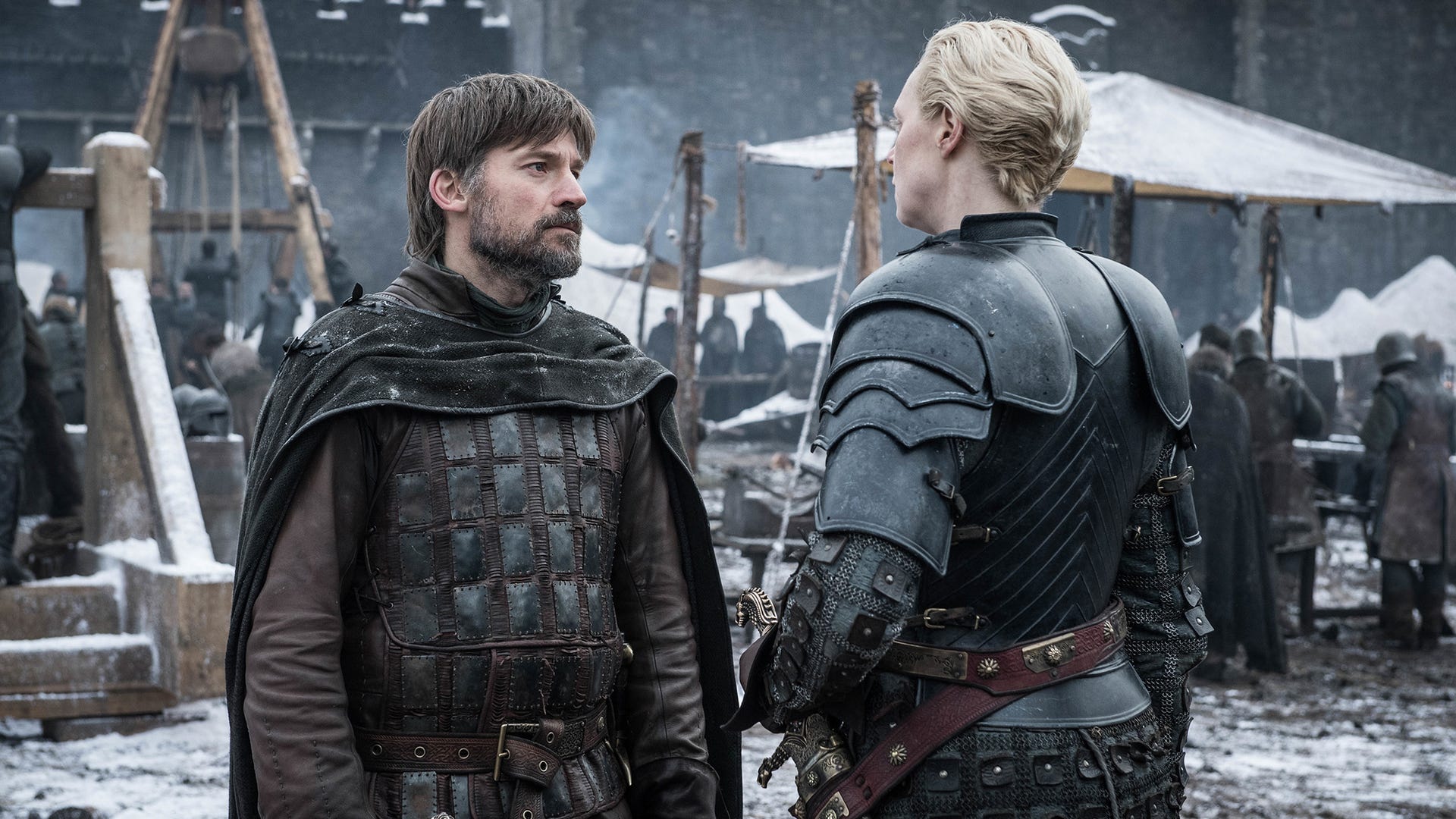
This isn’t HBO’s first rodeo with Super Bowl scheduling headaches. The network has historically adjusted its Sunday lineup during big events, recognizing that premium cable and streaming thrive on flexibility. A Knight of the Seven Kingdoms joins Industry in this early release—Season 4, Episode 5 of the finance drama also shifts to Friday, February 6, at the same midnight PT window. The move underscores HBO’s confidence in its content: they know viewers will seek out the episode regardless, and dropping it early could even boost buzz heading into the weekend.
For those immersed in the series, the timing feels particularly tantalizing. A Knight of the Seven Kingdoms adapts George R.R. Martin’s “Dunk and Egg” novellas, set roughly 90 years before the events of Game of Thrones. It follows Ser Duncan the Tall (played with earnest charisma by Peter Claffey), a towering, honorable hedge knight of low birth, and his squire Egg (Dexter Sol Ansell), a sharp-witted boy hiding a royal secret. The first season unfolds over a single weekend at the Ashford Tourney, a grand jousting event that spirals into political intrigue, trial by combat, and a dramatic “trial of seven”—a rare, massive melee where seven knights face off against seven others.
The show’s tone stands apart from its forebears. Where Game of Thrones reveled in sprawling wars and betrayals, and House of the Dragon dissected Targaryen family dysfunction, A Knight of the Seven Kingdoms offers something warmer and more intimate: a buddy story rooted in chivalry, loyalty, and the clash between idealism and harsh reality. Dunk’s moral code—protect the innocent, honor your oaths—often puts him at odds with scheming lords and opportunistic fighters. Egg, revealed early on as the future King Aegon V Targaryen in disguise, brings youthful mischief and hidden depth. Their bond, forged in the mud of tourney fields and the shadows of castles, has endeared them to audiences craving heroism amid cynicism.
Episode 3, “The Squire,” left fans on a knife’s edge. Dunk’s growing suspicions about Egg’s identity simmered alongside escalating tensions at the tourney. A brutal confrontation hinted at the violence to come, while subtle nods to Targaryen history—whispers of dragons, family curses, and royal blood—teased larger stakes. “Seven” promises to deliver on the buildup: the trial of seven itself, a spectacle of armored combat that Martin described in his novellas as one of the most epic battles in Westerosi lore. With seven-on-seven combat, alliances will fracture, secrets may spill, and Dunk’s honor will face its ultimate test. Early reviews praise the episode’s choreography, emotional beats, and how it balances spectacle with character-driven drama.
The early drop is a gift for impatient fans. Streaming at 3:01 a.m. ET Friday means U.S. viewers can wake up to fresh Westeros content, dissect theories online all weekend, and avoid spoilers from Sunday’s broadcast. Internationally, the midnight PT release aligns with morning or afternoon viewing in Europe, Asia, and beyond, fueling global discussions before the Super Bowl frenzy peaks. No changes are slated for Episodes 5 (“In the Name of the Mother”) or 6, which will resume the Sunday rhythm on February 15 and 22, 2026.
Critically and commercially, the series has soared. Renewed for Season 2 before the premiere even aired, it has drawn strong numbers, with viewership reportedly rivaling early House of the Dragon episodes. Praise centers on Claffey and Ansell’s chemistry, the grounded production design (fewer dragons, more mud and chainmail), and Ira Parker’s sharp scripts that honor Martin’s text while expanding the world. The show’s shorter episodes—30-40 minutes—deliver tight, focused narratives that feel refreshing after the bloated later seasons of the flagship series.
This scheduling pivot also spotlights broader trends in television. Linear TV battles streaming giants, and events like the Super Bowl remain cultural monoliths. HBO’s hybrid model—early streaming access paired with traditional broadcast—bridges old and new viewing habits. It rewards subscribers who pay for Max, minimizes cannibalization of live ratings, and keeps momentum rolling for a show that’s quickly becoming a cornerstone of the Game of Thrones legacy.
As February 6 approaches, anticipation builds. Will Dunk survive the trial? Will Egg’s secret hold? How will the tourney’s chaos reshape the realm? The early release ensures fans won’t miss a beat, even as millions cheer touchdowns elsewhere. In a world where thrones are won and lost, sometimes the smartest play is knowing when to sidestep the fray.
HBO’s decision isn’t just logistical—it’s a nod to loyal viewers, a strategic win in the content wars, and proof that even in Westeros, timing is everything. Grab your shield, pour a horn of ale, and prepare: Episode 4 arrives sooner than expected, ready to charge into your weekend like a knight errant on a mission.