🚨 Company Fined After 18-Year-Old Star Apprentice Crushed by Boards — The Heartbreaking Twist That She Was Working Alone Despite Clear Risks 😱
Tragic Death of 18-Year-Old Award-Winning Apprentice Joiner Chloe Bidwell Crushed by Unsafe Stack of Boards Sparks Calls for Stricter Safety Reforms in Construction Industry
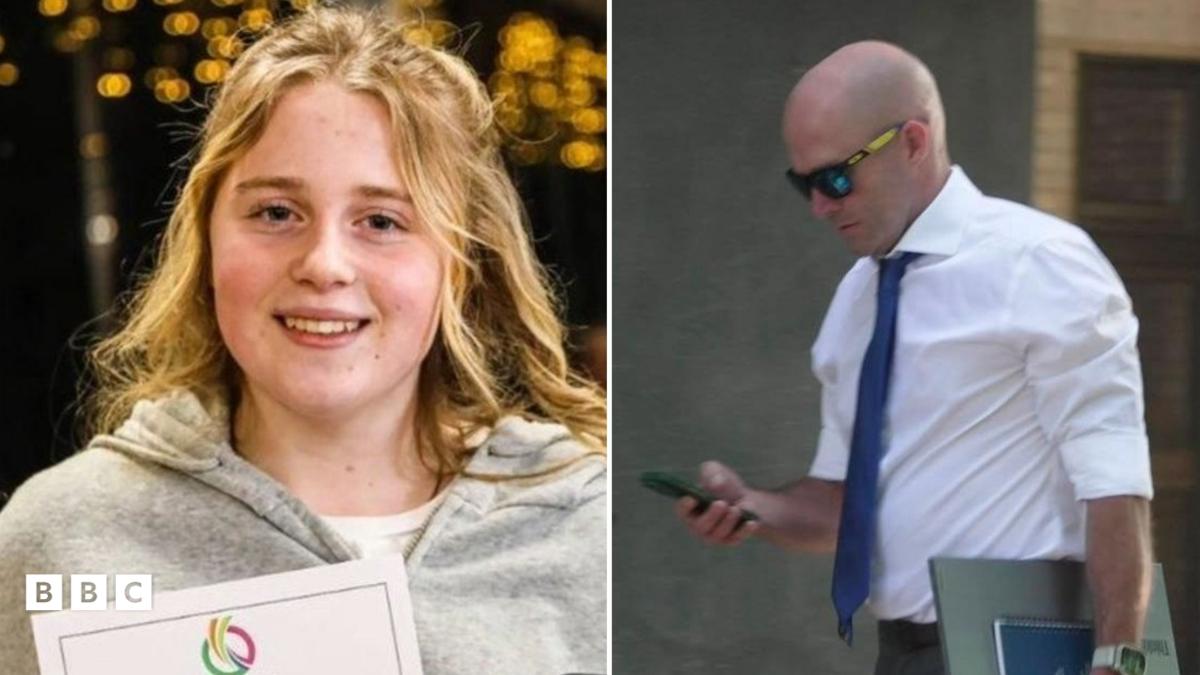
An 18-year-old apprentice joiner who beat out male colleagues to win a prestigious gold medal in a national skills competition died after an unsafe stack of plasterboards toppled onto her while she worked alone renovating a student house in Bangor, north Wales. Chloe Bidwell, described as a talented, energetic young woman full of determination, was found crushed under the heavy materials in a tragic workplace accident that an inquest later revealed was entirely preventable. Her death has sent shockwaves through the construction sector and highlighted serious failures in health and safety practices.
Chloe was working at Coed Celyn, a residential property being upgraded for university students, when the accident occurred on December 20, 2023. She was discovered not breathing with plasterboard piled on her back. The provisional cause of death was compression of the neck. The inquest heard that the company’s risk assessment “wasn’t worth the paper it was written on” because workers had never seen it, and there was a systemic failure in safety protocols. Chloe should not have been working alone in that area.
A keen rugby player and skydiver, Chloe had recently won gold in the joinery category at the Skills Competition Wales, beating several young male students. She was passionate about encouraging more women into trades and spoke enthusiastically about her apprenticeship with Varcity Living. “I love my apprenticeship and building houses,” she said at the time. Her family remembered her as someone full of life who was about to travel the world and pursue her dream of becoming a firefighter.
The company, Varcity Living, pleaded guilty to failing to ensure the safety of employees and non-employees. Director David Horrocks, 45, admitted failing to discharge a health and safety duty. He received a 26-week prison sentence, suspended for two years. The company was fined £50,000 and ordered to pay £10,000 in costs. District Judge Gwyn Jones criticized the lack of proper oversight and the dangerous conditions that led to Chloe’s death.
Chloe’s mother, Clare Stephenson-Brown, delivered a powerful victim impact statement. She spoke of the unbearable pain of knowing her daughter was alone in her final moments. “The fact that she was by herself in those final moments is something which causes us unbearable pain,” she said. The family’s grief is compounded by the knowledge that better safety measures could have prevented this tragedy.
This case exposes deep-rooted problems in the construction industry, particularly for young apprentices and female workers entering male-dominated fields. Chloe’s success in winning the gold medal showed her talent and determination, yet she was still placed in a hazardous situation without adequate protection. The Health and Safety Executive and police investigated the incident, revealing multiple lapses that contributed to her death.
Construction remains one of the most dangerous industries for workers, with falls from height, being struck by objects, and collapsing materials among the leading causes of fatal accidents. Chloe’s case is a stark reminder that even routine tasks can turn deadly when proper risk assessments and supervision are ignored. Her story has sparked calls for stricter enforcement of safety regulations, better training for apprentices, and more rigorous oversight of companies employing young people.
The tragedy also highlights the importance of supporting women in trades. Chloe was a role model who actively encouraged other young women to pursue careers in construction. Her death should serve as a catalyst for improving safety standards so that future apprentices, regardless of gender, can work without fear. Industry leaders and unions have a responsibility to ensure that talent like Chloe’s is protected, not put at unnecessary risk.
As the family continues to grieve, they hope Chloe’s story leads to meaningful change. Her achievements in a short life — winning competitions, playing rugby, skydiving, and inspiring others — deserve to be remembered. The inquest’s findings and the court’s sentencing provide some accountability, but the real measure of justice will be whether the industry learns from this preventable loss.
Chloe Bidwell’s death is a heartbreaking example of how quickly things can go wrong when safety is treated as an afterthought. Her talent, enthusiasm, and bright future were cut short by failures that should never have occurred. As the construction sector reflects on this tragedy, the focus must shift to preventing similar incidents so that no other young worker suffers the same fate. Chloe’s legacy should be safer workplaces where apprentices can thrive without risking their lives.
The pain felt by her family and friends is immeasurable. In their victim statements and public comments, they have emphasized the need for systemic change. Chloe’s story deserves to be heard far beyond the courtroom so that her death is not in vain. Young people entering trades should be able to pursue their dreams with confidence that their employers prioritize their well-being above all else.