20th Century Studios has officially pushed back the release of Ridley Scott’s eagerly awaited sci-fi drama The Dog Stars from March 27, 2026, to August 28, 2026—a five-month delay that positions the film in a late-summer slot traditionally reserved for potential blockbusters or prestige contenders seeking awards traction.
For fans of post-apocalyptic storytelling, visionary directors, and rising stars like Jacob Elordi, this news arrives as both a disappointment and a tantalizing promise of something even greater brewing behind the scenes. The delay, sources indicate, stems from a calculated decision to target an “earlier-fall prestige slot,” allowing more breathing room for marketing and positioning the film as an awards-friendly contender. Early test screenings have reportedly been exceptionally strong, fueling optimism that The Dog Stars could emerge as one of Ridley Scott’s most acclaimed works in recent years.
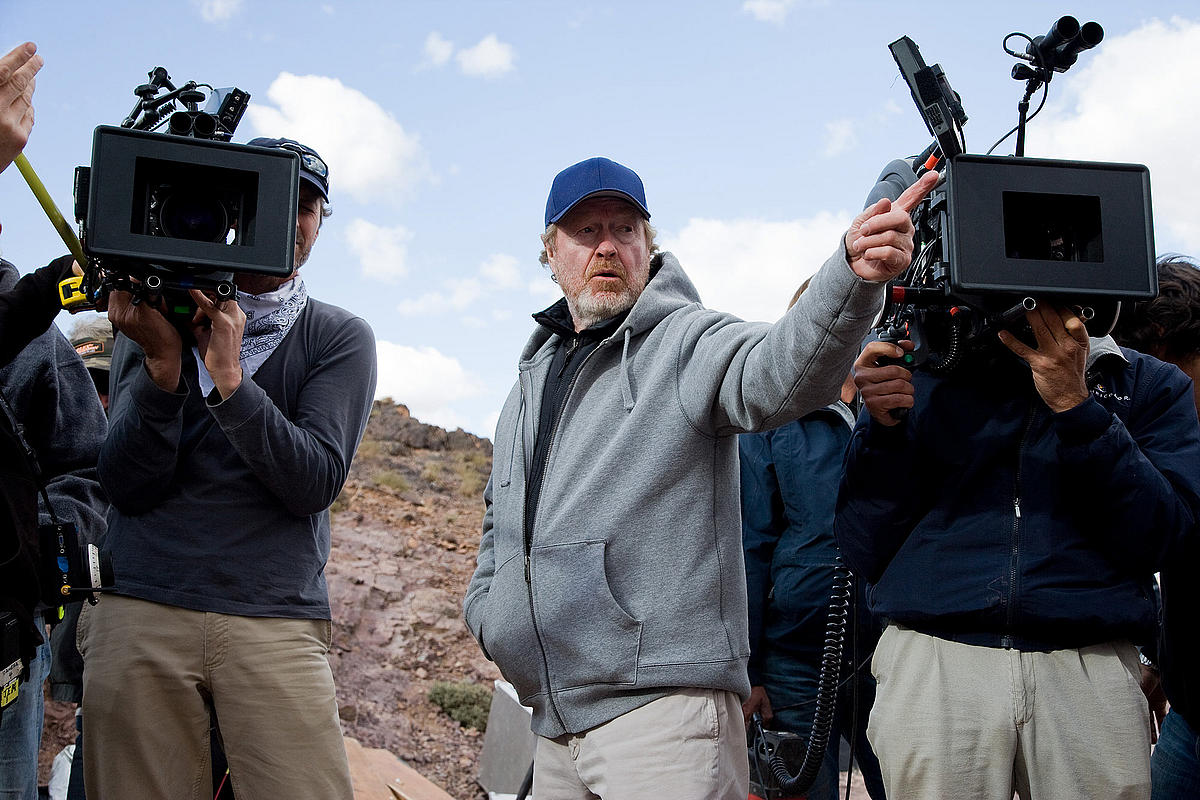
theplaylist.net
At 88 years old (by the time of release), Ridley Scott shows no signs of slowing down. The legendary filmmaker behind genre-defining classics like Alien, Blade Runner, and The Martian has once again turned his gaze to the end of the world—not with relentless horror, but with a poignant, character-driven exploration of survival, loss, and fleeting hope. In a recent interview while promoting the re-release of Kingdom of the Heaven, Scott himself described the project with infectious enthusiasm: “It’s a marvelous book. I put it in a similar vein in its simplicity and yet drama as The Martian. I wouldn’t be doing it if it weren’t great. So, it is great. It’s really about four people in a universe. I tend to use the phrase, ‘the end of the world just happened.’ That is how you survive. But it is not The Road.”
This comparison to The Martian—a film that blended isolation, ingenuity, and humanity against a vast, unforgiving backdrop—is particularly intriguing. Like Matt Damon’s stranded astronaut, the protagonist of The Dog Stars finds solace and purpose in the skies, piloting a vintage Cessna through a decimated landscape. But where The Martian was optimistic and inventive, Scott promises a more intimate, emotionally raw experience, focused on human connections in the face of annihilation.
The source material, Peter Heller’s 2012 bestselling novel The Dog Stars, has long been hailed as a modern masterpiece of the genre. Praised by critics for its lyrical prose and profound insights into grief and resilience, the book follows Hig, a widowed pilot who lost his wife to a devastating flu pandemic that wiped out most of humanity. Holed up at an abandoned airfield in Colorado with his loyal dog Jasper and a gruff, heavily armed companion named Bangley (played by Josh Brolin), Hig patrols the skies, scavenging for supplies and fending off threats.

The story takes a pivotal turn when Hig intercepts a faint radio transmission from far away—a signal that hints at other survivors, perhaps even a glimmer of normalcy. Risking everything, he embarks on a perilous journey that forces him to confront the ruins of civilization and the possibility of rediscovering what it means to be human.
Heller’s novel stands out in the crowded post-apocalyptic field for its poetic style—short, fragmented sentences mirroring Hig’s fractured psyche—and its emphasis on beauty amid despair: trout fishing in pristine streams, the thrill of flight, the unbreakable bond with a dog. It’s less about hordes of zombies or brutal warlords and more about quiet introspection, making it a perfect fit for Scott’s mature phase, where he’s increasingly explored themes of legacy, isolation, and redemption (Gladiator II, Napoleon).
Leading the cast is Jacob Elordi as Hig, a casting choice that initially raised eyebrows but now feels inspired. The Australian actor, who exploded onto the scene with Euphoria and cemented his status with critically acclaimed turns in Saltburn, Priscilla, and Guillermo del Toro’s Frankenstein (earning Golden Globe nominations), brings a brooding intensity and vulnerability that’s perfect for the role. Originally, Paul Mescal was attached, but scheduling conflicts led to Elordi’s involvement—a fortuitous change, as Elordi’s towering presence and emotional depth promise to anchor the film’s quiet moments.
Supporting Elordi is an ensemble that’s nothing short of stellar: Josh Brolin as the hardened Bangley, whose survivalist paranoia contrasts Hig’s lingering optimism; Margaret Qualley, adding layers of mystery and humanity in a key role; Guy Pearce, bringing his signature gravitas; and Benedict Wong, reuniting with Scott after previous collaborations. This tight-knit group—Scott emphasizes “really about four people”—allows for intimate performances amid epic vistas.
Production on The Dog Stars wrapped earlier this year after a remarkably efficient 34-day shoot in the UK and Italy, showcasing Scott’s legendary discipline. Cinematographer Erik Messerschmidt (Mank, The Killer) captures the desolate beauty of the world, while composer Harry Gregson-Williams returns to craft a score that will undoubtedly heighten the emotional stakes. The screenplay, penned by Mark L. Smith (The Revenant, Twisters) with contributions from Christopher Wilkinson, stays faithful to Heller’s voice while adapting it for the screen’s visual demands.

movieweb.com
The delay itself isn’t cause for alarm—quite the opposite. Moving away from a crowded spring window (including heavy hitters like Project Hail Mary) avoids direct competition and allows the film to build buzz through festival circuits or extended marketing. Late August openings can launch into fall awards season, much like how thoughtful dramas gain momentum. With glowing early reactions and Scott’s track record of delivering visually stunning, thought-provoking sci-fi, The Dog Stars has all the makings of a sleeper hit that could dominate conversations in 2026.
In an era saturated with dystopian spectacles, The Dog Stars promises something rarer: a soulful meditation on what we lose—and what we might find—when the world ends. Jacob Elordi’s star continues its meteoric rise, Ridley Scott reaffirms his mastery of the genre he helped define, and audiences get a film that could linger long after the credits roll.
Mark your calendars for August 28, 2026. The wait will be worth it—this could be the post-apocalyptic story we’ve been craving: not just survival, but the quiet miracle of hope in the ashes.