The helium balloons bobbed lazily in the late-afternoon breeze, their pastel pinks and blues a mocking contrast to the chaos that would soon unfold. It was supposed to be a milestone etched in joy: a 2-year-old girl’s second birthday, celebrated in the heart of Stockton’s bustling north side, where families from the Central Valley’s diverse tapestry gathered to feast on tres leches cake and marimba music. The banquet hall on Lucile Avenue, a nondescript brick building tucked beside a Dairy Queen and a cluster of strip-mall staples, swelled with over 100 souls—grandparents in embroidered huipils, teens snapping selfies, toddlers wobbling on unsteady legs. Laughter echoed off the walls as Patrice Williams, the birthday girl’s mother, lit the candles on a towering cake adorned with edible glitter. “Make a wish, mi amor,” she whispered to little Sofia, whose chubby fists clapped in delight. But at 5:58 p.m. on November 29, as the first notes of “Las Mañanitas” filled the air, the door burst open. A masked figure in a black hoodie, face obscured by a ski mask, leveled a semi-automatic pistol and unleashed hell. In seconds, four lives were extinguished—three of them children, innocent bystanders in a storm of senseless violence. Eleven others lay wounded, their cries piercing the night as the gunman vanished into the shadows, leaving a city—and a nation—grappling with the fragility of joy in America’s gun-soaked underbelly.
Stockton, a gritty port city of 320,000 straddling the San Joaquin Delta, has long been a crucible of resilience and rupture. Once a hub for aspiring middle-class dreams, its shipyards and agribusiness fueled generations of Latino, Black, and Asian families chasing the California promise. But economic tempests—foreclosures in the 2008 crash, warehouse booms that hollowed out downtown—left scars: a poverty rate hovering at 20%, gang enclaves etched into neighborhoods like the Seaport District, and a homicide tally that rivals war zones. Lucile Avenue, in the city’s Northside, embodies this duality—a corridor of taquerias and auto shops flanked by modest ranch homes where block parties foster tight bonds. The banquet hall, El Palacio de Eventos, was a community staple: quinceañeras, baby showers, and yes, birthdays like Sofia’s, where extended kin from Modesto and Lodi converged to drown out the daily grind. “We rented it for $500—banners, a bounce house, the works,” Patrice Williams recounted to reporters on Monday, her voice a hollow rasp from endless hospital vigils. At 32, a single mother and home health aide scraping by on $18 an hour, Williams had scrimped for months, bartering shifts for the deposit. “Sofia turned two that day. She blew out her candles like a pro. Then… pop-pop-pop. Like fireworks, but wrong.”
The shooting’s prelude was unremarkable, a tapestry of everyday exuberance. Guests trickled in from 3 p.m., the parking lot a snarl of lowriders and minivans festooned with “¡Feliz Cumpleaños!” streamers. Inside, the hall thrummed: a DJ spinning cumbia classics, aunts ladling pozole from Crock-Pots, uncles grilling carne asada on portable hibachis. Among the arrivals was the Peterson clan from Modesto—Patrick Peterson, 42, a forklift operator at a Gallo winery, his wife Maria, and their four kids, including 14-year-old Amari, an eighth-grader with hoop dreams and a gap-toothed grin. Amari, lanky and quick, had begged to come: “Dad, there’s a rapper performing—can I get his autograph?” Patrick relented, the family piling into their battered Toyota Sienna. They arrived around 5 p.m., Amari beelining for the stage where local hip-hop artist “Lil’ Delta,” a 25-year-old Stockton native, hyped the crowd with freestyles about overcoming the streets. Nearby, 8-year-old Maya Lupian chased her cousins through the bounce house, her pigtails flying, while 9-year-old Elijah Ramirez clutched a piñata stick, eyes wide at the promise of candy rain. The fourth victim, 21-year-old Susano Archuleta, a budding mechanic and Sofia’s uncle, manned the grill, flipping burgers with a flourish. “Ey, primo, don’t burn ’em!” he teased his brother, the air thick with mesquite smoke and sibling ribbing.
Chaos erupted without mercy. Eyewitnesses describe the gunman—described as a Black male, 5’10” to 6’0″, medium build, clad in dark athletic wear—striding through the side entrance like he belonged, pistol drawn from his waistband. No shouts, no demands; just a barrage of 27 rounds from a 9mm Glock, fired in tight clusters that shredded the festive haze. “It was like thunder in a bottle,” gasped Maria Peterson, shielding her younger children under a table as glass shattered and balloons popped from stray ricochets. Amari, mere feet from Lil’ Delta, crumpled first—shot in the chest while angling for a photo, his phone clattering to the linoleum. “Amari! No, baby, no!” Patrick bellowed, diving through the scrum, his hands slick with blood as he pumped the boy’s chest in futile CPR. Maya, giggling seconds prior, took rounds to the abdomen mid-leap from the bounce house, her small body folding like a discarded doll. Elijah, frozen by the piñata, caught two in the leg and back, his screams a guttural wail that haunts survivors’ dreams. Susano Archuleta, shielding a cluster of toddlers, absorbed three to the torso, slumping against the grill as flames licked his sneakers. Panic surged: guests trampling cakes, flipping tables into barricades, a mother scooping Sofia—unscathed but wailing—into her arms and bolting for the kitchen.
Sirens wailed within minutes, the San Joaquin County Sheriff’s Office and Stockton PD descending on Lucile Avenue like a swarm. The parking lot, once a merry maze, became a crime scene tape labyrinth, yellow markers dotting shell casings amid confetti and spilled punch. Paramedics triaged the wounded on-site—grazed arms, shattered femurs, a 9-year-old girl (Elijah’s sister) with a through-and-through thigh wound—before airlifting criticals to UC Davis Medical in Sacramento. Hospitals overflowed: Dignity Health St. Joseph’s in Stockton absorbed seven, three in surgery by midnight; Sutter Memorial in Modesto took four, including two “graze-walkers” who staggered in hours later, too shell-shocked to call 911. “We treated a symphony of suffering,” said Dr. Lena Vasquez, ER chief at St. Joseph’s, her scrubs still flecked with the night’s residue. “Kids with entry wounds the size of quarters, adults shielding loved ones. This wasn’t random; it felt targeted, like a bomb in a playground.”
As dawn broke on November 30, the tally crystallized: four dead, three children among them, their futures snuffed like Sofia’s candles. Amari Peterson, the aspiring baller whose locker at Jane Fredbird Elementary overflowed with MVP ribbons; Maya Lupian, an aspiring artist whose bedroom walls bloomed with crayon murals; Elijah Ramirez, the quiet bookworm who’d just aced a spelling bee. And Susano Archuleta, the gentle giant planning his wedding for spring, his fiancée now a widow at 19. Families shattered: Patrick’s hands, raw from compressions, now clutch Amari’s jersey at vigils; Maya’s mother, Rosa Lupian, a migrant farmworker, stares vacant-eyed at the bounce house, deflated and bloodstained, impounded as evidence. “She was my light,” Rosa whispers, her English halting through sobs. “Drawing rainbows for Abuela. Now… nothing.” The wounded, a mosaic of ages 6 to 45, face months of rehab—bullet fragments in spines, PTSD etched in nightmares of masked phantoms.
Investigators, led by Sheriff Patrick Withrow—a grizzled 25-year veteran with a mustache like steel wool—paint a portrait of precision predation. Ballistics trace the Glock to a ghost buy, unserialized and street-sourced; surveillance from the Dairy Queen captures the gunman fleeing east on foot, ditching the hoodie in a dumpster two blocks away. “Targeted hit, no doubt,” Withrow growled at a Sunday briefing, his voice gravel over the podium. “Intel points to gang crossfire—possibly aimed at Lil’ Delta over a disputed track feature. Wrong place, innocent casualties.” The rapper, grazed on the bicep, vanished post-hospital, his silence fueling speculation of Norteño ties. Five arrests followed—gangbangers nabbed in a pre-dawn raid on unrelated weapons charges—but the shooter eludes, a $50,000 FBI reward dangling like bait. Tips flood the hotline: a burner phone ping near the Calaveras River, a hooded figure boosting a Civic from a church lot. “Even rumors,” Withrow pleads. “Cell vids, whispers—give us something.”
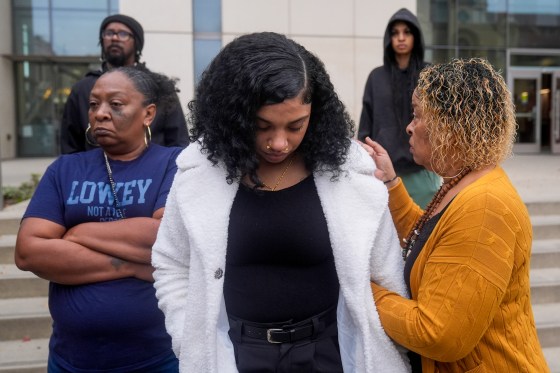
Stockton’s response has been a torrent of raw humanity amid institutional fury. Sunday’s vigil at Weber Point Events Center drew 2,000—candles flickering against the Delta’s fog, marimbas giving way to gospel choirs, purple ribbons (for child loss) whipping in the wind. Faith leaders from St. Mary’s Cathedral and the Islamic Center linked arms with Mayor Christina Fugazi, whose voice cracked: “Families should gather in peace, not pray over gurneys.” Vice Mayor Jason Lee, eyes rimmed red, thundered on Facebook: “A birthday? For a toddler? This is our wake-up—gangs preying on playgrounds.” Governor Gavin Newsom, briefed at dawn, dispatched $1 million in victim aid, his office decrying “America’s gun madness.” Community coffers swell: a GoFundMe for the Williams family surges past $120,000, earmarked for Sofia’s therapy and funeral blooms; local taquerias donate meals to hospitals, barbershops buzz with “Snitch or Swim” flyers.
Yet beneath the solidarity simmers a deeper rot. Stockton’s 2025 body count hit 48 pre-shooting, a 15% spike from last year, fueled by feuds between Norteños and Sureños spilling into family spheres. “Gangs don’t respect borders—homes, parties, schools,” laments Rev. Marcus Hale, a Northside pastor whose flock lost Elijah. “These kids? Collateral in a war they never enlisted.” National voices amplify: Everytown for Gun Safety logs this as the 380th mass shooting of 2025, a grim ledger where children’s parties rank alongside bars and blockades. President Elena Ramirez, in a Rose Garden address, vowed federal task forces: “No child should fear cake and candles.” But locals scoff—red-flag laws gather dust, buyback programs flop amid black-market floods. “We need boots, not ballots,” Patrick Peterson fumes, his Modesto driveway a shrine of Amari’s sneakers and a half-deflated basketball. “Catch this monster, then talk reform.”
For the families, healing is a fractured horizon. Patrice Williams cradles Sofia in their cramped apartment, the toddler’s questions—”Where’s Tío Susano?”—knifing deeper than bullets. Rosa Lupian traces Maya’s drawings, vowing art scholarships in her name; Elijah’s parents, Maria and Carlos Ramirez, navigate ICU limbo, his vitals a beep of borrowed time. Patrick Peterson, wrists bandaged from glass shards, replays the CPR in fever dreams, Amari’s pulse fading under his palms. “He was my shadow—wanted to dunk like Curry,” he chokes out at the vigil, a Bears cap shadowing his grief. Sofia’s party, meant for pin-the-tail games, birthed a movement: “Safe Celebrations Stockton,” a coalition pushing hall metal detectors and gang-intervention mentors. “We won’t let fear steal our fiestas,” Williams declares, her resolve steeling as Sofia babbles “cumpleaños” in play.
This birthday tragedy isn’t Stockton’s alone—it’s America’s mirror, reflecting a plague where innocence pays the toll. As the manhunt stretches into December’s chill, the Delta whispers of lost laughter: balloons untethered, cakes uneaten, wishes unwhispered. Four gone, eleven scarred, a gunman loose in the night. But in the vigil’s glow, a vow endures: remember the children, hunt the hunter, reclaim the joy. For Sofia, Amari, Maya, Elijah, and Susano, the party ended in echoes. For Stockton, it ignites a reckoning—one bullet at a time.