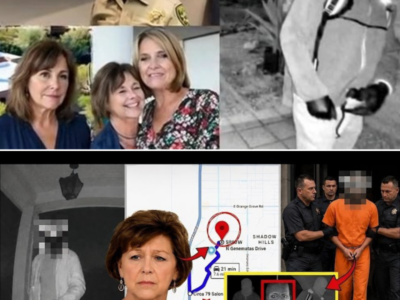
Young Groom-To-Be Killed and Fiancée Left With Permanent Brain Damage After High-Speed Crash Involving California Deputy
A heartbreaking lawsuit filed in California has brought renewed attention to a devastating crash that killed a 21-year-old man and left his fiancée with catastrophic brain injuries only weeks before the couple planned to marry. The collision, which involved a sheriff’s deputy allegedly driving nearly 100 miles per hour while responding to a dispatch call, has triggered outrage and intense scrutiny over emergency response driving policies and public safety.
According to court filings submitted in Riverside County Superior Court, the crash occurred on September 6, 2025, in Calimesa, east of Los Angeles. The lawsuit alleges that Riverside County Sheriff’s Deputy Glynn Wilburn engaged in “grossly negligent and reckless conduct” before colliding with a Tesla driven by 21-year-old Gavin Hinkley.

Hinkley was killed in the collision, while his fiancée, Madeline Fox, survived with severe and permanent injuries. Family members and attorneys involved in the lawsuit say Fox suffered traumatic brain damage and now faces a long and difficult recovery process that will reportedly require relearning basic motor functions, speech, and other everyday abilities.
According to allegations outlined in the lawsuit, Hinkley was driving the couple’s Tesla through an intersection when Deputy Wilburn approached at an extremely high speed while responding to a dispatch. The filing claims the deputy entered the intersection against a red light while traveling close to 100 miles per hour along a two-lane roadway. Although investigators say the deputy attempted to brake and turn moments before impact, the patrol vehicle reportedly still struck the Tesla at approximately 72 miles per hour.
Photographs referenced in the lawsuit and findings from a California Highway Patrol investigation reportedly show catastrophic damage to both vehicles. The Tesla’s side was severely crushed during the impact, while the front of the patrol vehicle was heavily mangled. Emergency responders rushed to the scene, but Hinkley later died from injuries sustained in the crash.
The emotional weight of the tragedy has deeply affected both families and the surrounding community because the couple had reportedly been preparing for their wedding at the time of the collision. Friends and relatives described Hinkley and Fox as deeply in love and excited about their future together before the crash abruptly changed their lives forever. Social media tributes and memorial posts following the incident reflected widespread grief over the loss of a young man whose wedding was only weeks away.
Attorneys representing the families argue in the lawsuit that Deputy Wilburn’s driving decisions created an unreasonable and deadly danger for civilians on the roadway. The filing reportedly relies heavily on evidence and findings from the California Highway Patrol investigation, including speed analysis, crash reconstruction data, and photographs from the scene. The lawsuit seeks damages connected to wrongful death, severe injury, emotional suffering, and long-term medical care.
The case has reignited broader public debate surrounding high-speed emergency driving and the legal protections often granted to law enforcement officers responding to calls. While police officers are generally allowed certain traffic exemptions during emergencies, critics argue that extreme speeds through intersections and populated areas can place innocent drivers at unacceptable risk. Legal experts note that courts often examine whether officers acted reasonably under the circumstances and whether public safety was properly balanced against the urgency of the response.
Meanwhile, Fox’s reported condition has become one of the most heartbreaking aspects of the case. According to family statements, the young woman survived the collision but now faces permanent cognitive and physical challenges. Relatives say she will need extensive rehabilitation and support as she attempts to recover speech, coordination, and other essential functions impacted by the traumatic brain injury.
The lawsuit filed on April 30 is expected to bring increased scrutiny toward departmental policies involving emergency response driving, training procedures, and speed limitations for deputies responding to dispatch calls. Court proceedings will likely examine dispatch records, vehicle data, body camera evidence, and crash reconstruction analysis as attorneys attempt to establish liability for the fatal collision.
As the legal case moves forward, the tragedy has become a painful symbol of how quickly ordinary lives can be shattered by high-speed roadway incidents involving emergency vehicles. For many people following the case, the most devastating reality remains that a young couple preparing to begin their future together instead saw their lives destroyed in a matter of seconds at a single California intersection.