“We Hope the Families Can Now Find Closure”: Emotional Scenes Follow Final Maldives Recovery Mission
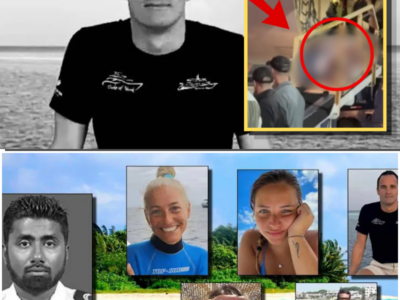
Emotional scenes unfolded along the Maldives shoreline as exhausted Finnish recovery divers completed the final stage of the underwater mission to recover the bodies of five Italian tourists trapped inside a deep ocean cave system. What began as one of the most devastating diving disasters in Maldives history ended with applause, tears, and a deeply moving statement from the rescue team that spent days navigating one of the world’s most dangerous underwater environments. Witnesses described an atmosphere of silence and grief suddenly interrupted by clapping from Italian tourists gathered near the shore as the divers emerged from the water after the final operation officially came to an end.
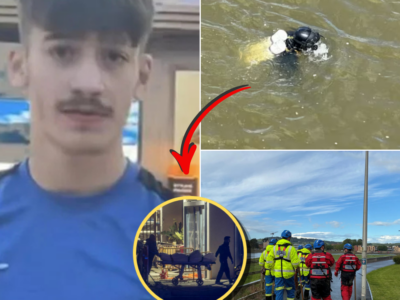
The recovery mission, coordinated alongside DAN Europe, lasted four days and involved elite Finnish cave-diving specialists operating deep beneath the ocean surface in increasingly difficult conditions. Authorities say the divers faced strong currents, worsening weather, limited visibility, and extremely hazardous underwater tunnels while attempting to recover the victims from the submerged cave network where they had become trapped. The bodies of the five Italian divers were eventually located roughly 50 meters below the surface inside a dead-end underwater corridor after an extensive and technically demanding search operation.
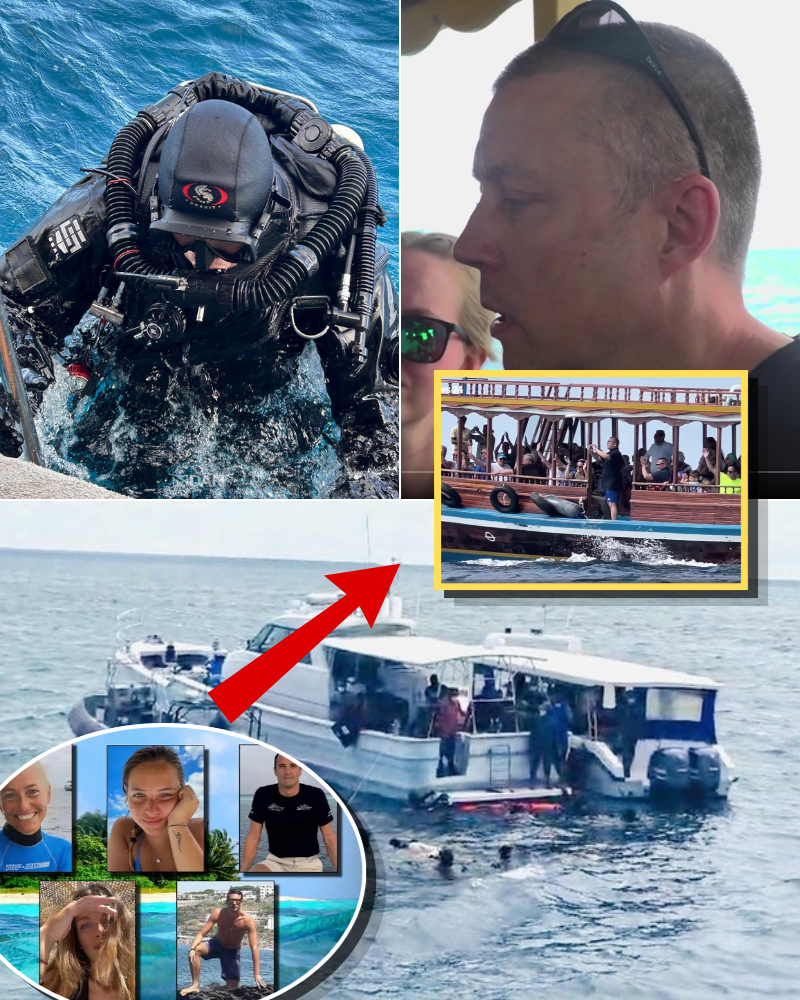
Following the completion of the final dive, specialist diver Sami Paakkarinen delivered an emotional statement that left many people onshore visibly moved. Speaking calmly after emerging from the water, Paakkarinen explained that the true purpose of the dangerous mission was not recognition or praise, but helping grieving families finally recover the bodies of their loved ones and begin the painful process of saying goodbye. “We hope the families can now find closure,” he reportedly said, words that quickly resonated far beyond the shoreline where the recovery operation had unfolded.
For the families of the victims, the recovery mission marked the end of days filled with uncertainty, fear, and devastating anticipation. Since the divers first disappeared inside the underwater cave system, relatives had waited anxiously for updates as specialist teams worked around the clock beneath the ocean surface. The recovery of the final bodies now allows the victims’ families to prepare funerals and memorials after a tragedy that shocked the international diving community and drew global attention to the extreme dangers of technical cave diving.
Investigators believe the five Italian divers became trapped after accidentally entering the wrong underwater tunnel while attempting to return to the surface during their dive. Experts involved in the investigation suspect the group may have been disoriented by what specialists call a “sand wall illusion,” a dangerous visual phenomenon created when underwater sediment reflects dive lights and distorts visibility inside dark cave systems. Authorities say the divers ultimately became trapped inside a dead-end passage where their oxygen supply likely ran out before they could escape back toward open water.
The Finnish recovery divers faced many of the same dangers during the rescue operation that investigators believe contributed to the original accident. Technical cave diving experts explain that underwater cave recoveries are among the most dangerous missions possible because rescuers must navigate narrow submerged tunnels where visibility can disappear instantly if sediment becomes disturbed. Every movement inside the cave reportedly required precise coordination, oxygen management, and decompression planning to avoid triggering further hazards beneath the surface.
During the final phase of the mission, the rescue team reportedly spent nearly 50 minutes inside the underwater cavern conducting a careful scene clean-up operation while battling deteriorating weather conditions and rough surface currents above. Diving specialists note that even after locating victims, recovery operations remain extraordinarily dangerous because divers must continue navigating confined spaces while managing fatigue, decompression schedules, and environmental instability. The final dive itself reportedly lasted approximately three hours from descent to resurfacing.
The emotional response from Italian tourists gathered along the shoreline reflected the enormous impact the tragedy has had across the international diving world. Many witnesses reportedly applauded the Finnish divers not only for completing the mission successfully, but also for the compassion and professionalism shown throughout the operation. Online, members of the global diving community praised the recovery team for carrying out one of the most technically demanding underwater recovery efforts seen in recent years.
As investigators continue analyzing recovered GoPro footage, diving equipment, and underwater data to reconstruct the victims’ final moments, the images from the Maldives shoreline are now becoming some of the most powerful scenes connected to the tragedy. Exhausted divers emerging from dangerous waters, grieving families finally receiving answers, and applause echoing across the beach have transformed the mission into more than just a recovery effort. For many watching around the world, the operation became a symbol of courage, humanity, and the quiet determination to bring closure to families after unimaginable loss beneath the ocean surface.