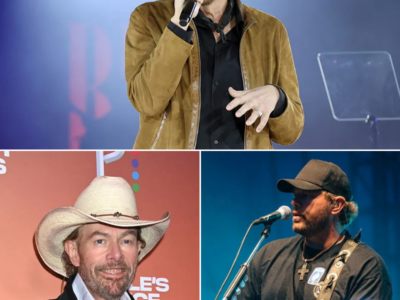
Toby Keith’s appearance at the Nobel Peace Prize Concert 2009 in Oslo has often been described online as a moment of major controversy. However, many of the dramatic claims surrounding that night—particularly those suggesting widespread political outrage or a defiant confrontation—are not fully supported by verified reporting.
The Nobel Peace Prize Concert is traditionally held each year in Oslo to honor the recipient of the Nobel Peace Prize. In 2009, the prize was awarded to Barack Obama, and the concert featured a range of international performers. Toby Keith was among the artists invited to perform, reflecting the event’s typical mix of genres and global representation.
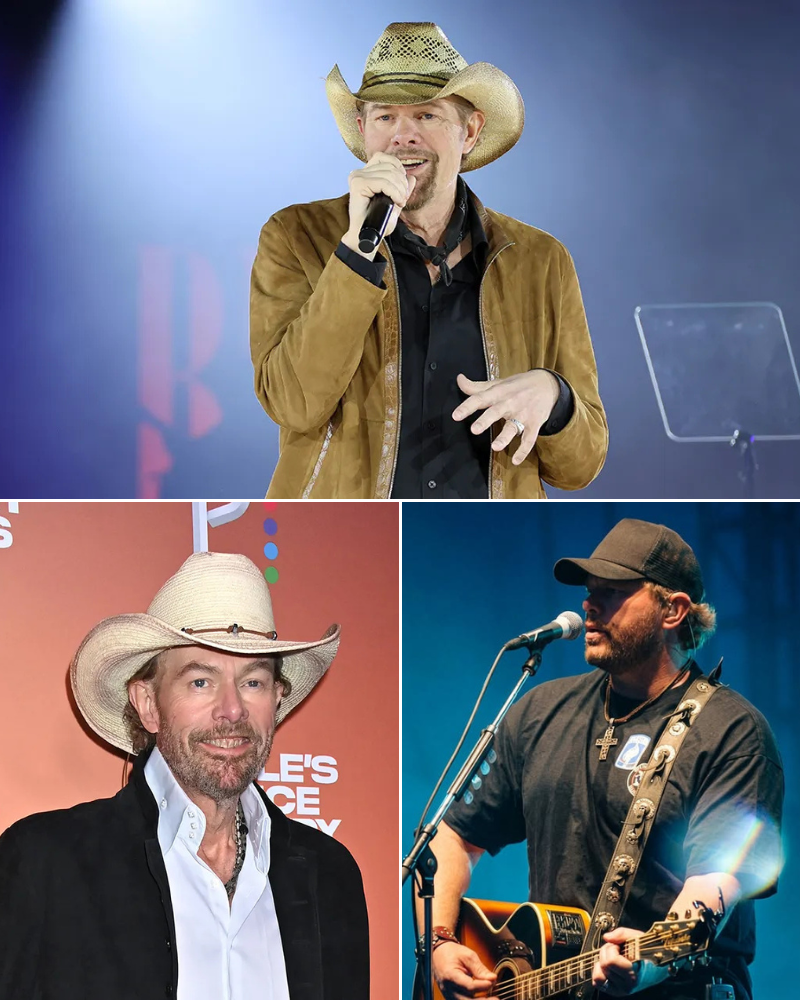
While Keith has long been associated with patriotic music—particularly songs that reference the U.S. military—there is limited verified evidence that his inclusion triggered a large-scale political backlash in Norway at the time. Some commentary and criticism did appear, as is common with high-profile international events, but reports of widespread condemnation by government officials are not substantiated in official records.
Similarly, widely circulated quotes attributed to Keith, suggesting a direct refusal to apologize or a confrontation with critics in Oslo, have not been confirmed through reliable sources. Public statements from the artist around that period focused more broadly on his support for U.S. troops rather than on any specific dispute tied to the concert.
During the event, Keith performed as part of a lineup that included multiple artists from different countries. The concert itself followed its usual format, emphasizing music and global unity rather than political debate. There were no officially documented disruptions or incidents directly linked to his performance.
Media coverage of the 2009 concert primarily focused on the significance of Obama’s Nobel Prize and the overall event, rather than on any controversy involving individual performers. This suggests that, while Keith’s presence may have generated discussion in some circles, it did not dominate the narrative of the evening.
Experts note that retrospective storytelling—especially on social media—can amplify or reshape events over time. Narratives that frame moments as dramatic confrontations or symbolic stand-offs may not always align with verified historical accounts. In this case, the portrayal of Keith as “the most hated man in Oslo” appears to be an exaggerated interpretation rather than a documented reality.
That said, Keith’s public persona and musical themes have long positioned him as a figure associated with strong national identity and support for the military. These elements can generate differing reactions depending on cultural and political context, particularly in international settings.
The 2009 Nobel Peace Prize Concert remains a notable moment in Keith’s career due to its global audience and prestigious platform. However, the event itself appears to have proceeded without the level of conflict often described in viral retellings.
In reviewing the available information, it is clear that while Toby Keith’s participation was real, many of the more dramatic claims surrounding his appearance are not confirmed by credible sources. The distinction between documented events and later interpretations is essential in understanding what actually took place that night.
News

Morgan Wallen Brings Out Ella Langley at SiriusXM Nashville Show, Sparking Fan Buzz
Morgan Wallen surprised fans during an exclusive SiriusXM performance in Nashville by inviting rising country artist Ella Langley to join him onstage—creating one of the most talked-about moments of the…
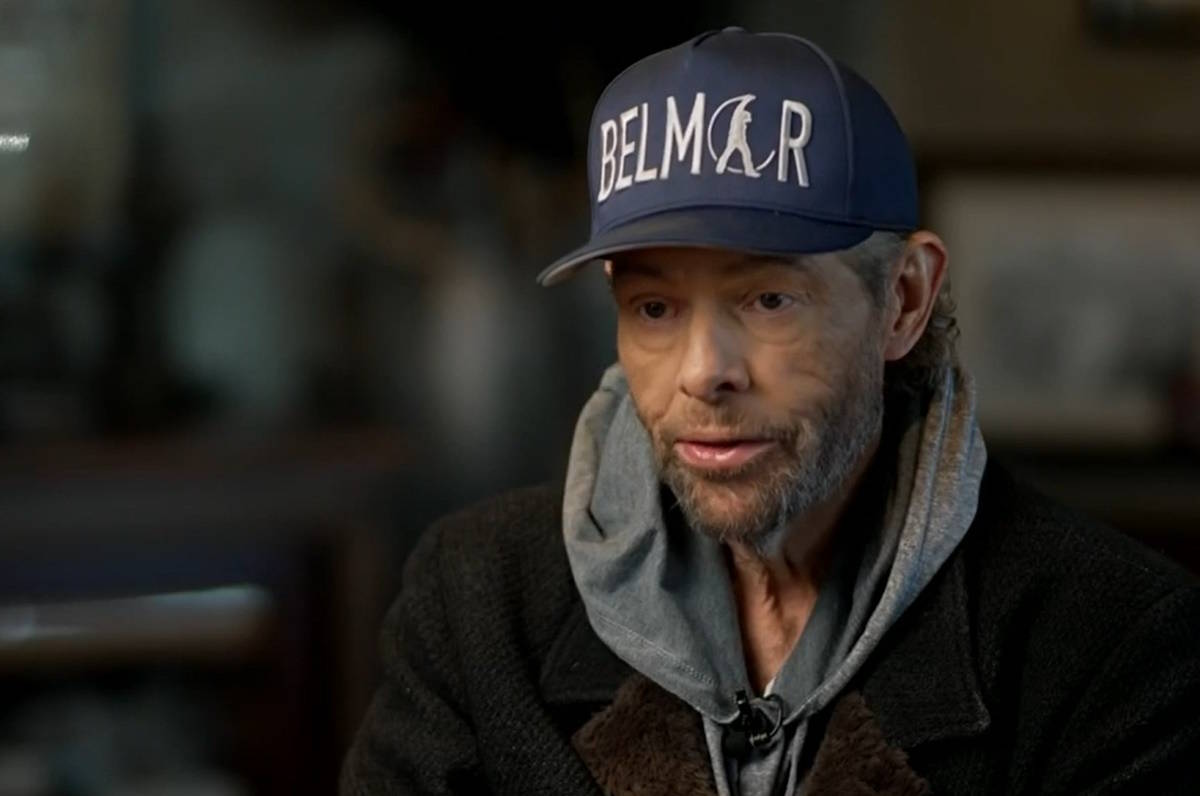
Toby Keith Returns to the Stage After Cancer Battle, Marking Emotional Comeback
Toby Keith has made a powerful return to the stage following a prolonged battle with stomach cancer, marking a significant moment in his career and personal journey. After revealing his…
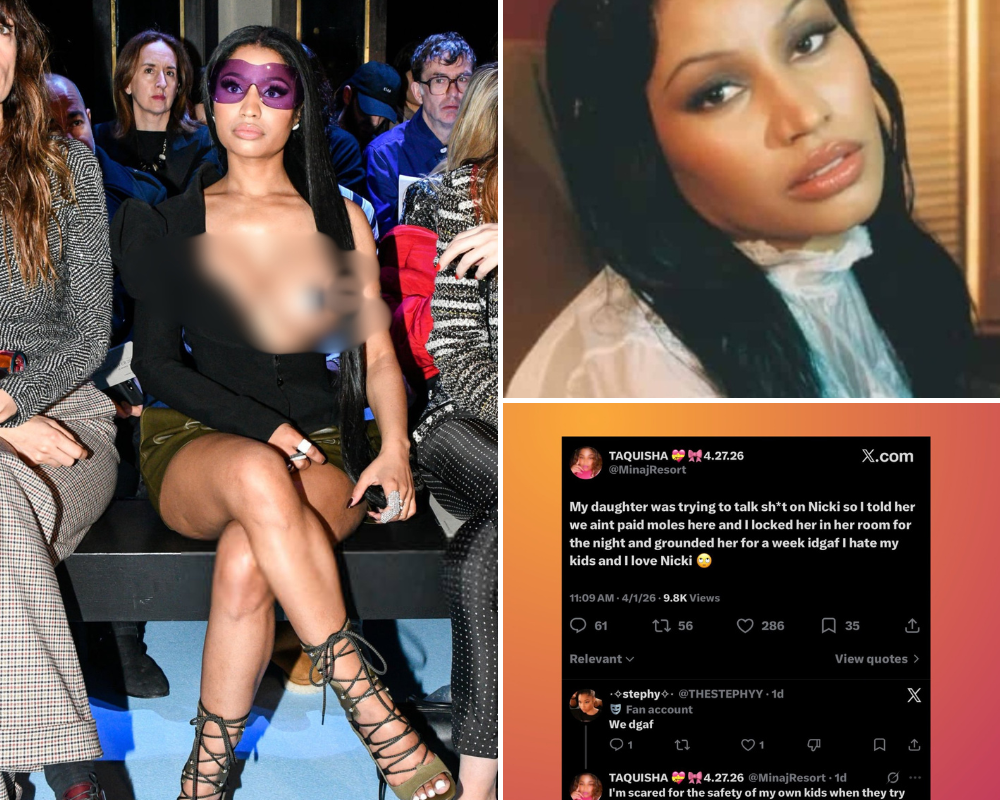
Viral Claims About Nicki Minaj Fan Spark Online Debate Over Parenting and Fandom
A viral social media post involving a self-identified fan of Nicki Minaj has sparked widespread debate online, raising questions about the intersection of fandom, parenting, and online behavior. The situation…
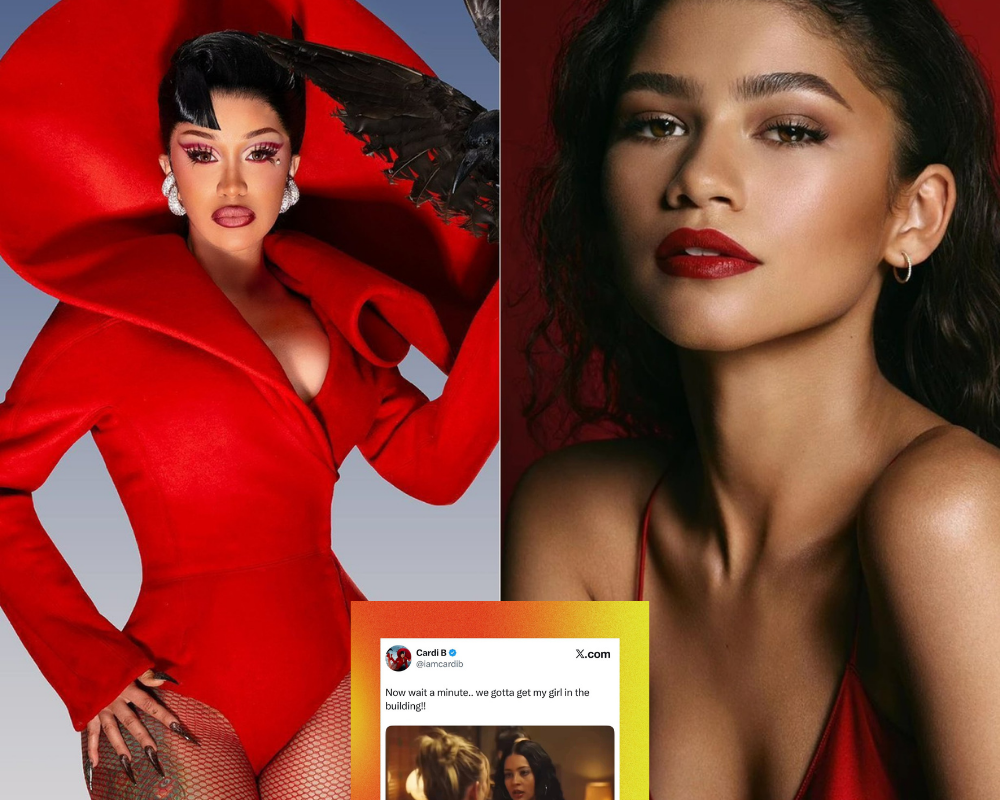
Cardi B Responds After Zendaya Says She Wanted to Attend ‘Little Miss Drama’ Tour but Couldn’t
A recent interaction between Cardi B and Zendaya has captured widespread attention online, turning what appeared to be a simple exchange into a viral moment across social media platforms. The…
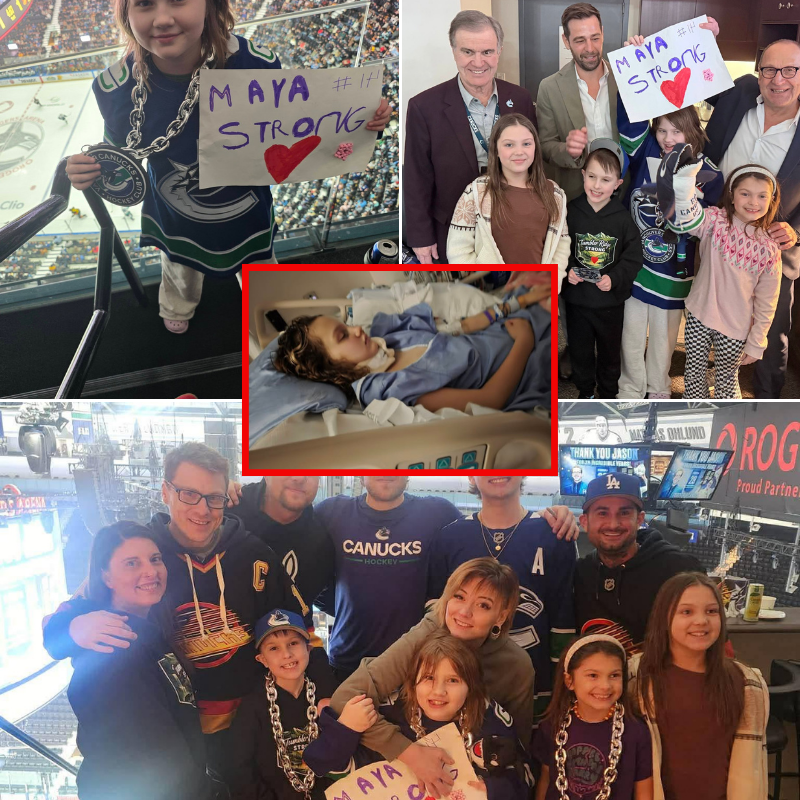
Maya Gebala Family’s Arena Visit Sparks Emotional Moment as Community Support Comes Into Focus
A recent visit to a hockey game involving the family of Maya Gebala has drawn widespread attention after what was described as a deeply emotional experience inside the arena. The…
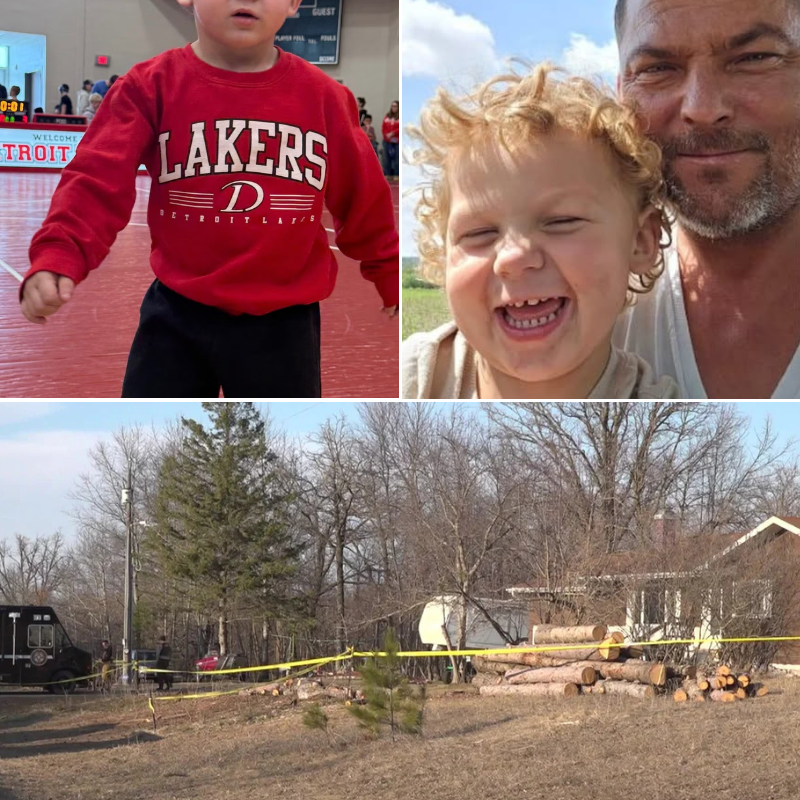
Becker County Case: Investigation Continues as Family References Note Found at Scene
The deaths of Gene Bartnes and his 3-year-old son Koltyn Bartnes have left the community of Detroit Lakes in shock, as authorities continue to examine the circumstances surrounding the incident….
End of content
No more pages to load