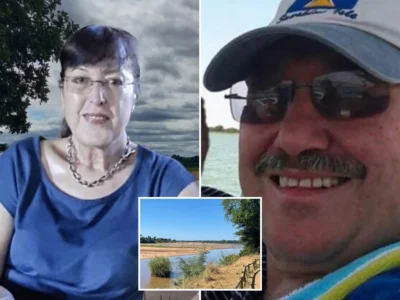
The Killers Left Tracks Leading to Mozambique, Yet Police Still Have No Suspects in Custody
A major forensic discovery has intensified scrutiny of the investigation into the murders of Ernst and Dina Marais after specialists reportedly identified tire-track evidence believed to show how the suspects escaped the area following the killings.
According to investigators, distinctive tire impressions linked to the victims’ stolen 4×4 pickup truck have become one of the most important pieces of physical evidence recovered since the double murder shocked South Africa.
Authorities believe the tracks indicate the vehicle traveled through remote terrain near Kruger National Park before moving toward the border region with Mozambique.
The discovery has strengthened investigative theories that the suspects fled through isolated wilderness corridors commonly associated with smuggling and illegal cross-border movement.
Forensic teams have spent weeks analyzing the tire impressions alongside vehicle data, crime-scene evidence, witness accounts, and intelligence reports in an effort to reconstruct the killers’ movements after the murders.
Investigators believe the tracks may help identify the route used by the suspects and potentially connect the stolen vehicle to other locations of interest.
Despite what many observers view as a significant breakthrough, authorities have not announced any arrests.
That lack of progress has become a growing source of frustration for members of the public following the case.
Many South Africans have questioned how a double murder that generated national attention and produced multiple investigative leads has yet to result in suspects being taken into custody.
Police officials, however, caution that cross-border investigations involving organized criminal groups are often extremely complex.
Authorities continue examining the possibility that the perpetrators were connected to sophisticated criminal networks operating in the region.
Such organizations frequently possess extensive knowledge of border terrain, transportation routes, and methods designed to avoid law enforcement detection.
Investigators are also exploring whether the suspects may have received assistance after fleeing the crime scene, further complicating efforts to locate them.
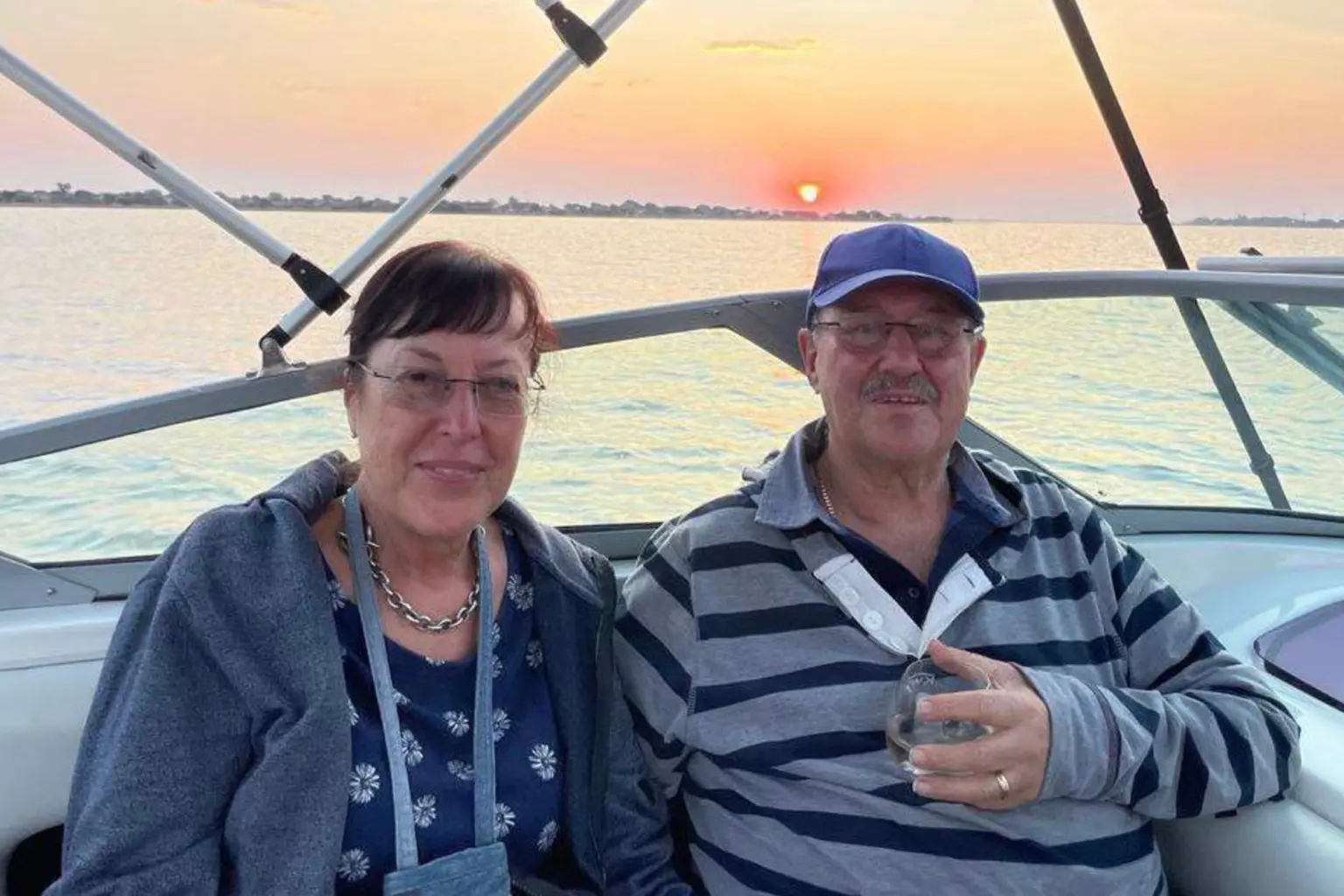
The murders of Ernst and Dina Marais have drawn particular attention because detectives believe the victims may have encountered dangerous criminals while traveling through an area known for wildlife trafficking and smuggling activity.
Authorities continue examining whether the attack was linked to poaching operations, organized crime, vehicle theft, or another criminal motive.
Meanwhile, the tire-track evidence remains central to the inquiry.
Forensic specialists note that unique tread patterns can sometimes provide valuable information regarding vehicle movements, especially when combined with surveillance footage, witness reports, and geographic analysis.
Investigators hope the evidence will ultimately help establish a clearer picture of the suspects’ escape path and identify additional locations connected to the case.
Public concern has only increased as weeks pass without arrests.
Some observers fear the suspects may already be beyond the reach of local authorities.
Others argue that the newly strengthened security presence near the border should improve the chances of gathering additional intelligence.
Police insist the investigation remains active and that the absence of arrests does not mean the trail has gone cold.
Authorities continue working with specialized units, forensic experts, intelligence personnel, and international partners as part of the ongoing manhunt.
For the family of Ernst and Dina Marais, however, the central issue remains unchanged: finding the people responsible for the deaths of their loved ones.
And despite the discovery of tire tracks that may reveal exactly how the killers escaped, one troubling reality continues to fuel public debate:
the route may be clearer than ever, but the suspects themselves remain nowhere to be found.