A major development has emerged in the investigation surrounding the disappearance of 84-year-old Nancy Guthrie, as forensic evidence collected at the scene is now being reexamined using advanced DNA analysis techniques. Authorities confirmed that a critical sample—believed to contain mixed DNA profiles—was recovered from inside the victim’s home, where an intruder reportedly spent a significant amount of time. The revelation has renewed urgency in the case, with investigators signaling that this evidence could prove instrumental in identifying a suspect who has so far evaded detection.
According to reports highlighted by Brian Entin, investigators believe the individual responsible remained inside the residence for approximately 40 minutes. This extended presence may have dramatically increased the likelihood of leaving behind trace evidence, including biological material such as skin cells or hair. In forensic investigations, time spent at a crime scene often correlates with the volume and quality of recoverable evidence, making this detail particularly significant. Officials have not disclosed the exact location within the home where the DNA was found, but sources indicate it was collected from an area suggesting direct contact.
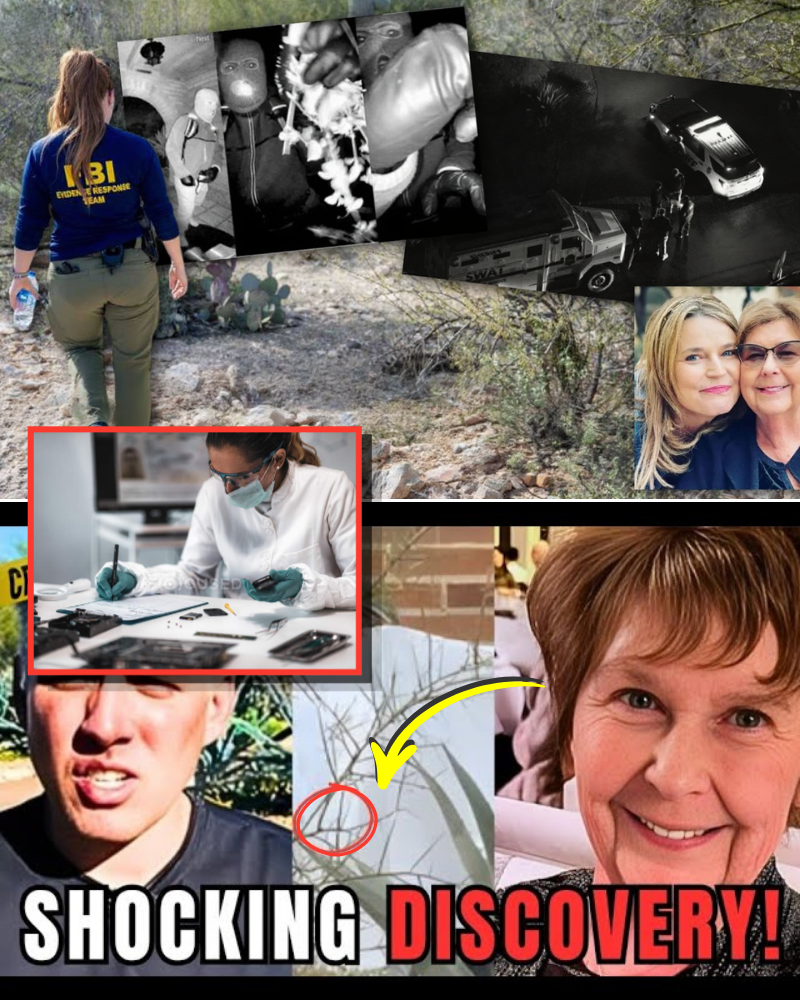
The key challenge facing forensic teams is the complexity of the DNA sample itself. Mixed DNA—where genetic material from multiple individuals is combined—can be notoriously difficult to interpret using traditional methods. However, recent advancements in forensic science have introduced new techniques capable of separating and analyzing these complex profiles with greater precision. Specialists are now working to “deconvolute” the sample, a process that involves isolating individual genetic contributors to build usable profiles that can be compared against databases or potential suspects.
Experts note that breakthroughs in DNA technology have transformed cold and active cases alike, allowing investigators to extract meaningful results from evidence that might once have been considered inconclusive. Techniques such as probabilistic genotyping and enhanced sequencing methods enable analysts to assess the likelihood of specific genetic matches, even when samples are degraded or mixed. In this case, authorities are optimistic that the application of such methods could yield a viable lead, potentially narrowing the field of suspects or directly identifying the individual responsible.
Law enforcement officials have emphasized that the investigation remains ongoing and that no arrests have been formally announced in connection with this latest development. However, the renewed focus on forensic evidence suggests a shift toward a more data-driven phase of the case. Investigators are expected to cross-reference any resulting DNA profiles with national and regional databases, as well as explore potential familial matches if direct identification proves challenging. This approach has been used successfully in other high-profile cases, where indirect genetic links have ultimately led to suspects.
The circumstances surrounding the disappearance of Nancy Guthrie have continued to raise concerns, particularly given her age and the reported intrusion into her home. Cases involving vulnerable individuals often draw heightened attention due to the risks involved and the urgency of securing a resolution. Authorities have reiterated their commitment to pursuing all available leads, noting that the integration of advanced forensic tools represents a critical step forward in the investigation.
Public interest in the case has intensified as details about the DNA evidence have come to light. Community members and advocacy groups have called for continued transparency and updates, while also urging caution against speculation as the forensic process unfolds. Experts caution that while DNA evidence can be highly persuasive, its interpretation must be handled carefully to avoid misidentification or overreliance on incomplete data. The integrity of the analysis will be essential in ensuring that any conclusions drawn are both accurate and legally sound.
As forensic teams continue their work, the so-called “40-minute mistake” may ultimately prove to be the turning point investigators have been seeking. If the DNA sample can be successfully separated and matched, it could provide the breakthrough needed to move the case forward and bring clarity to a situation that has remained unresolved. For now, authorities remain focused on the science, hopeful that the evidence left behind will speak clearly enough to reveal the truth and deliver long-awaited answers.