Silent Handover, Heavy Grief — Recovered Diving Equipment Becomes Painful Symbol of Maldives Disaster
The emotional aftermath of the deadly underwater cave tragedy in the Maldives continues unfolding after the Finnish technical recovery team officially transferred the recovered diving equipment and personal belongings of the victims to local authorities.
According to reports connected to the recovery mission, the items were retrieved during a series of highly dangerous underwater operations conducted deep inside the submerged cave system near Vaavu Atoll, where multiple Italian divers lost their lives during the catastrophic expedition.
Authorities have not publicly released detailed forensic findings connected to the recovered gear, but investigators are expected to continue carefully analyzing the equipment as part of the ongoing inquiry into what caused the experienced divers to become trapped beneath the ocean surface.
The recovered belongings reportedly include technical diving systems, underwater lights, masks, tanks, navigation equipment, communication components, and personal effects recovered from the cave environment.
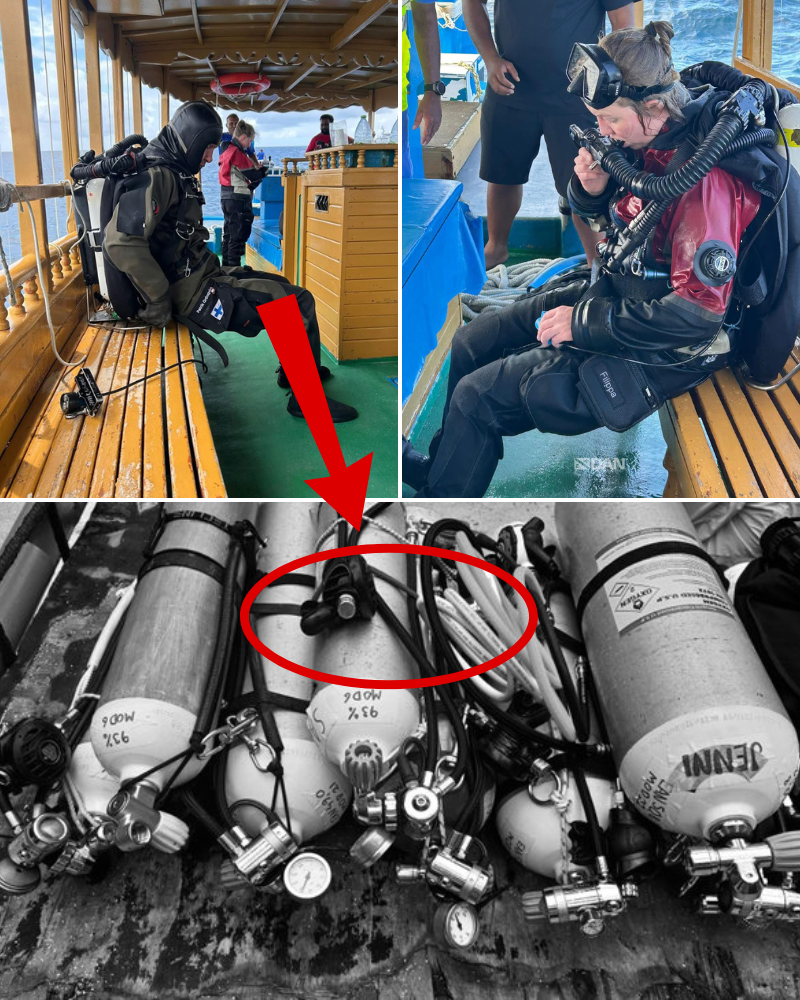
Officials have not publicly described every item in detail, though reports surrounding the handover emphasized the emotional impact the belongings carried for both investigators and grieving relatives.
Maritime specialists explain that equipment recovered after underwater disasters often becomes critically important evidence because dive computers, regulator settings, gas systems, camera footage, and physical wear patterns can help reconstruct divers’ final movements and environmental conditions before the tragedy unfolded.
Authorities continue reviewing dive computer data, recovered GoPro footage, gas mixtures, underwater route planning, environmental conditions, and navigation systems connected to the doomed expedition.
Particular attention reportedly remains focused on the condition of guide lines discovered inside the cave system — an issue some technical diving experts now believe may have played a major role in the disaster.
The underwater cave network where the tragedy occurred has been described as extremely hazardous, containing narrow submerged passages, unstable visibility zones, confined chambers, and depths reaching approximately 160 to 200 feet below the surface.
At those depths, divers face significant physiological risks including nitrogen narcosis, oxygen toxicity, decompression complications, panic disorientation, and rapidly increasing gas consumption during stressful conditions.
The tragedy became even more devastating after a rescue diver participating in earlier recovery operations reportedly also lost his life inside the same underwater cave environment.
Recovery efforts were ultimately carried out with assistance from highly specialized personnel associated with DAN Europe and elite Finnish technical rescue divers because of the extraordinary operational dangers involved.
Meanwhile, investigators continue examining reports that the expedition may have exceeded operational depth limits associated with the Duke of York used during the excursion.
Albatros Top Boat previously stated it did not authorize a dive reaching such extreme depths.
Mental health experts explain that recovered personal belongings often become deeply emotional symbols after disasters because they represent one of the final tangible connections families have to loved ones lost in inaccessible environments.
Authorities continue urging the public not to spread graphic material, unsupported speculation, or conspiracy theories while the official investigation remains ongoing.
As forensic teams continue examining the recovered diving gear piece by piece, the final belongings brought back from the darkness beneath Vaavu Atoll are now serving as silent evidence in an investigation attempting to uncover how an elite underwater expedition transformed into one of the deadliest diving tragedies in Maldives history.