Powerhouse Collision: Keyla Richardson and Taylor Hicks Deliver a Standout Duet on ‘Living for the City’
A high-impact collaboration on American Idol is drawing widespread attention after Keyla Richardson joined forces with Taylor Hicks for a duet of “Living for the City,” the classic by Stevie Wonder. The performance, built on a blend of soul and grit, has quickly become one of the most discussed moments of the season.
From the opening lines, the contrast and complement between the two voices set the tone. Richardson’s controlled power met Hicks’ seasoned, blues-driven delivery, creating a dynamic that emphasized both individuality and cohesion. Observers noted how the arrangement allowed each performer space to lead while maintaining a unified direction, avoiding the imbalance that can sometimes affect duet performances.
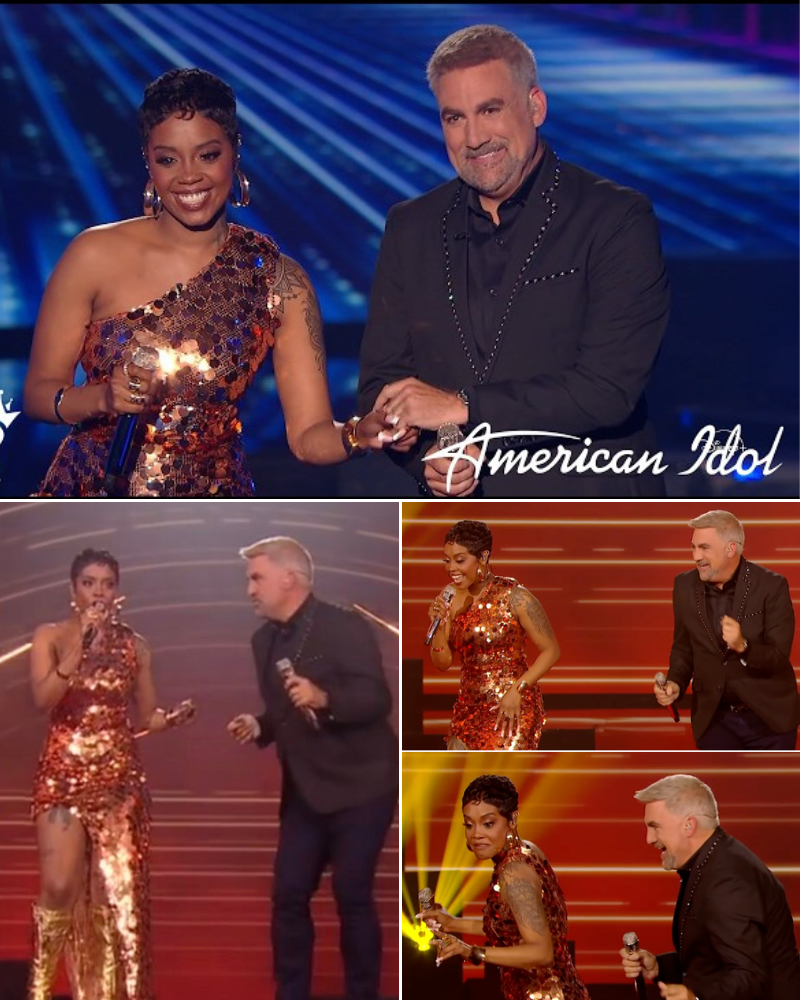
The chemistry between the two artists has been a central point of discussion. Rather than competing for vocal dominance, Richardson and Hicks appeared to build off each other’s phrasing, creating a call-and-response effect that added depth to the performance. This interaction contributed to a sense of authenticity, aligning with the song’s emotional weight and thematic intensity.
Audience reaction has been immediate, with many viewers highlighting the performance as a standout duet of the season. Clips have circulated widely, accompanied by commentary praising the blend of technical skill and emotional delivery. The term “best duet” has appeared frequently in discussions, reflecting a strong consensus around its impact, even as individual preferences vary.
Judging feedback reinforced that perception, focusing on the balance between control and expression. Both performers were noted for their ability to maintain vocal precision while conveying the song’s underlying emotion. This balance is often cited as a key factor in successful collaborations, particularly in a competition setting where performances are closely scrutinized.
Industry observers point out that duets of this nature can serve as benchmarks within a season. By pairing a current contestant with an established artist, the performance offers insight into how the contestant measures up in a more demanding context. Richardson’s ability to hold her own alongside Hicks has been interpreted as a strong indicator of her capability at this stage of the competition.
As the season moves toward its conclusion, the duet’s impact is likely to extend beyond a single episode. Performances that generate sustained discussion often influence audience perception in subsequent rounds, particularly when they highlight versatility and adaptability. In this case, the collaboration has reinforced Richardson’s standing as a leading contender.
While the final outcome of the competition remains uncertain, the performance has set a high bar for what remains. By combining vocal strength, chemistry, and emotional depth, Richardson and Hicks have delivered a moment that stands out not only within the season, but within the broader context of the show’s history.