The investigation into the fatal house fire involving Jessi Pierce and her three children has taken a new turn following the resurfacing of several online posts made shortly before the incident. In these posts, Pierce reportedly described noticing an unusual burning smell inside her living room, a detail that is now drawing renewed attention as authorities continue to examine the circumstances surrounding the blaze.
According to available information, the fire occurred at Pierce’s residence and resulted in the loss of four lives. Initial reports indicated that the blaze may have been caused by an electrical issue, a common factor in residential fires. However, the emergence of Pierce’s earlier concerns has introduced additional context that investigators may consider as part of a broader review of the timeline leading up to the incident.
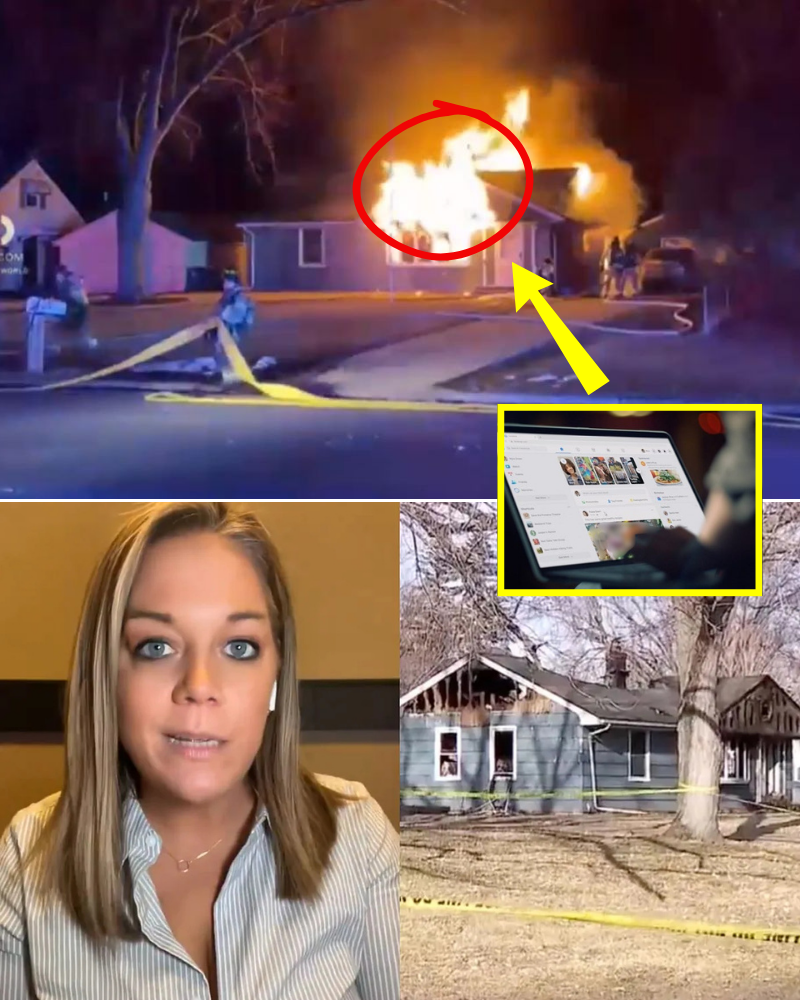
The posts in question suggest that Pierce had been aware of something unusual in her home environment days before the fire. Descriptions of a persistent burning odor have led some observers to question whether this could have been an early warning sign of a developing electrical fault. Experts note that such smells can sometimes indicate overheating wiring, malfunctioning appliances, or insulation issues, all of which can pose significant fire risks if not addressed.
At the same time, authorities have not publicly confirmed that the reported smell is directly linked to the cause of the fire. Fire investigations typically involve detailed analysis of burn patterns, electrical systems, and structural damage to determine origin and cause. While early warning signs can be important, they do not always provide definitive answers without supporting physical evidence.
The renewed attention on Pierce’s posts has also sparked widespread discussion online, with many individuals revisiting the sequence of events. Some have suggested that the timing of the reported smell raises additional questions, while others caution against drawing conclusions without verified findings. Experts emphasize that public interpretation of isolated details can sometimes lead to misunderstandings about how fires develop and spread.
Investigators are expected to examine whether any prior complaints or maintenance issues were reported at the residence, as well as the condition of electrical systems and appliances within the home. In cases involving potential electrical causes, even minor faults can escalate rapidly under certain conditions. Determining whether the reported odor was connected to such a fault will likely be a key focus of the investigation.
Authorities have reiterated that the case remains under review and that no final determination has been announced. They have also urged the public to allow the investigative process to proceed without speculation. As more information becomes available, the role of the reported burning smell — whether as an early warning or an unrelated detail — will be evaluated alongside other evidence.
For now, the resurfaced posts serve as a reminder of how small, seemingly isolated concerns can take on greater significance in hindsight. As the investigation continues, the central question remains whether those early signs were part of a developing hazard or simply a coincidence in a tragic sequence of events.
News
End of content
No more pages to load