New details emerging in the case of Nyla May Bradshaw are shedding light on a critical decision made in the hours before the tragedy—one that is now being described as an “Easter substitute” arrangement. According to a close family friend, Nyla was not originally scheduled to be at the childminder’s location that morning. Instead, her presence there appears to have been the result of a last-minute adjustment, a decision made under circumstances that, at the time, seemed routine and harmless. In hindsight, however, that single change has taken on profound significance.
The term “Easter substitute” has been used to describe a temporary childcare arrangement during a period when regular plans may have been disrupted. While such substitutions are not uncommon, they often rely on quick decisions and a degree of trust that may not always be supported by thorough verification. In this case, the childminder had reportedly been identified through online recommendations, a factor that is now under renewed scrutiny. The reliance on informal networks and social media referrals has become a central point of discussion as investigators continue to examine the broader context of the incident.
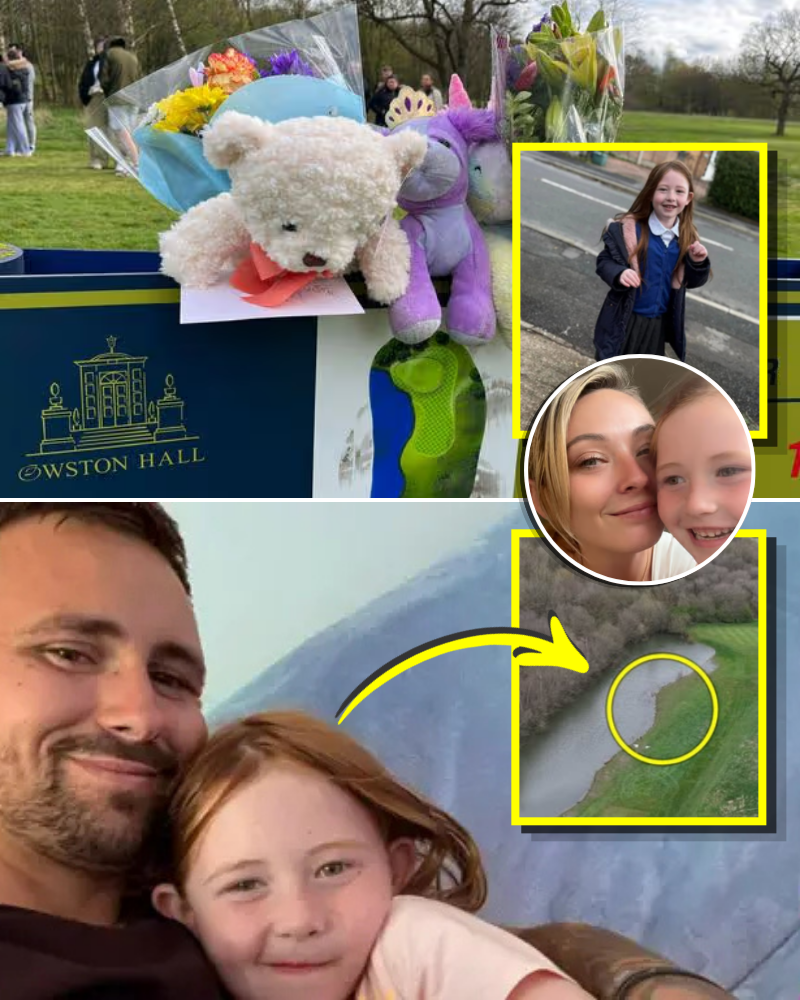
The family friend’s statement—“We all blame ourselves”—has resonated widely, capturing the emotional weight of the situation. While the comment reflects personal grief rather than an official assessment of responsibility, it highlights the sense of regret surrounding the decision that placed Nyla in that environment. For those close to her, the realization that a different choice might have led to a different outcome has become an inescapable part of the aftermath. This emotional dimension adds another layer to a case already marked by tragedy and uncertainty.
Investigators are now working to understand how the decision was made and whether any warning signs may have been overlooked. This includes examining the process by which the childminder was selected, the information available at the time, and the expectations placed on the care provider. In situations involving children, particularly those who may require additional supervision, the standards of care are especially critical. Determining whether those standards were met will be a key component of the ongoing investigation.
The case has also brought renewed attention to the broader issue of childcare selection in the digital age. While online platforms can offer convenience and access to recommendations, they may also present challenges in terms of verification and accountability. Parents and guardians are often faced with balancing urgency and trust, particularly when arrangements must be made quickly. The circumstances surrounding Nyla May Bradshaw’s case underscore the potential risks associated with decisions made under time pressure.
As more information becomes available, authorities are expected to continue piecing together the timeline of events, including the moments leading up to Nyla’s arrival at the childminder’s location. Understanding the context of the “Easter substitute” arrangement may provide valuable insight into how and why the situation unfolded as it did. Each detail, no matter how small, could contribute to a clearer picture of the factors that ultimately led to the tragedy.
For now, the case remains a deeply emotional and complex investigation, one that has left both a family and a community searching for answers. The revelation that Nyla’s presence at the location was the result of a last-minute decision adds a new dimension to an already heartbreaking story. As questions continue to surface, the hope is that a full understanding of the events will emerge—offering not only accountability but also lessons that may help prevent similar tragedies in the future.