Nancy Guthrie Case: Porch Footage and Timeline Analysis Drive New Phase of Investigation
The disappearance of Nancy Guthrie has entered a critical new phase as investigators intensify their focus on surveillance data and timeline reconstruction. Newly surfaced details regarding front porch camera footage and synchronized device records are shaping how authorities understand the final moments before contact with the 84-year-old was lost.
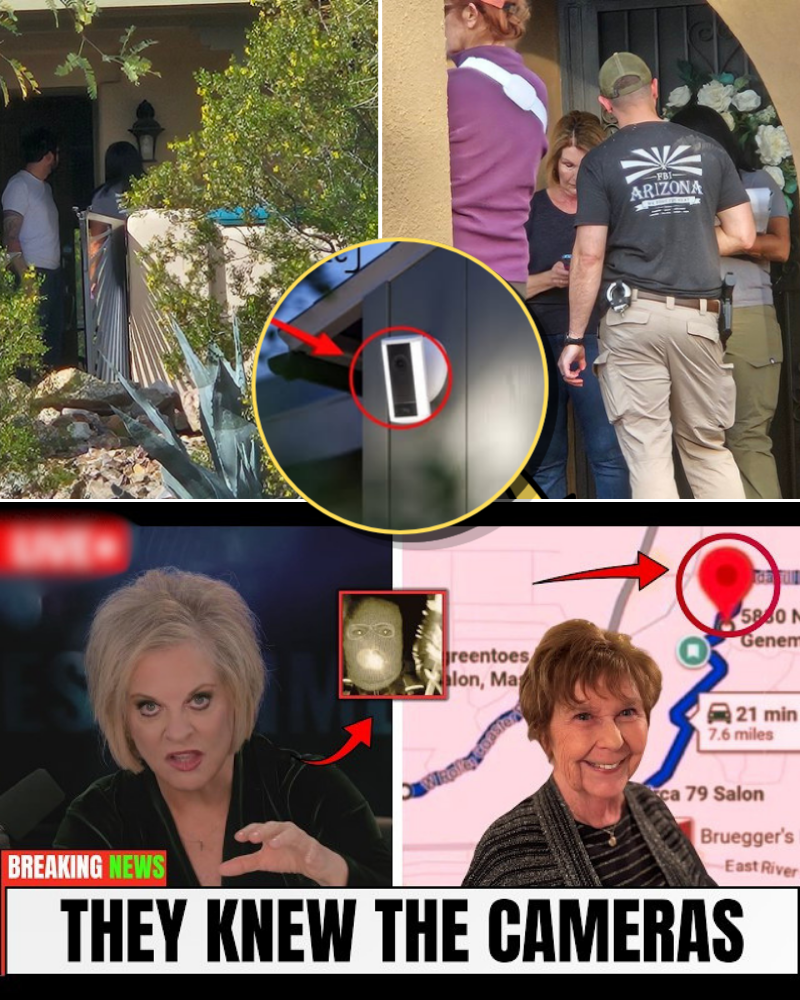
According to investigators, a key piece of evidence comes from a residential security camera positioned at the front entrance of Guthrie’s home. The footage, recorded in the early hours of the morning, is being closely analyzed frame by frame. Authorities have not released the video publicly, but confirmed it captures activity within a narrow timeframe considered critical to the case.
This timeframe aligns with other digital indicators under review, including data from a medical monitoring device. Analysts are examining the moment when the device stopped transmitting expected signals, using it as a reference point to build a precise timeline. While such data can help establish when an event occurred, experts caution that it must be interpreted alongside other evidence to determine cause and sequence.
Investigators believe the timing of the porch activity and the device disruption may be connected. Establishing whether these events overlap—or how closely they align—is a central focus of the current analysis. Digital forensics teams are working to synchronize multiple data streams, including video timestamps, device logs, and any available network activity.
Another area of investigation involves potential movement away from the property. Authorities are reviewing traffic cameras and other surveillance sources to identify vehicles that may have passed through the area during the same timeframe. In some cases, vehicle data—such as onboard navigation or telematics—can provide insight into routes taken and timing of travel.
Reports have circulated suggesting that a vehicle linked to the case followed a specific path after leaving the scene. Officials have not confirmed those details but acknowledge that mapping movement patterns is a standard part of reconstructing events. By comparing known timestamps with roadway data, investigators aim to determine whether a consistent route can be established.
The possibility of premeditation is also being examined. Analysts are considering whether the sequence of events indicates planning, including the timing of the appearance at the residence and any subsequent departure. However, authorities have not drawn conclusions publicly and emphasize that such determinations require comprehensive evidence.
Experts in forensic analysis note that surveillance footage can provide critical insights but is rarely definitive on its own. Image quality, lighting conditions, and camera angles can all affect interpretation. As a result, investigators often combine video evidence with physical findings and digital records to build a more complete picture.
The case has drawn significant public attention, with online discussions focusing on the implications of the footage and the timing of events. Authorities have urged caution, reminding the public that interpretations circulating online may not reflect verified findings.
Law enforcement agencies continue to process evidence through formal channels, including forensic laboratories and digital analysis units. These processes can take time, particularly when multiple sources of data must be cross-referenced and validated.
At this stage, no official statement has confirmed the identity of any individual seen in the footage or established a definitive sequence of events. The investigation remains active, with authorities working to ensure that conclusions are based on verified information.
The integration of surveillance footage, medical device data, and potential vehicle movement represents a comprehensive approach to the case. Each element contributes to a timeline that investigators hope will clarify what occurred and who may be responsible.
Public interest in the case remains high, reflecting both the unusual nature of the evidence and the unresolved questions surrounding the disappearance. Community members continue to seek answers, while officials emphasize the importance of patience as the investigation progresses.
As new findings are confirmed, authorities are expected to release updates through official channels. For now, the focus remains on analyzing the available data and constructing a timeline that can withstand scrutiny in both investigative and legal contexts.
The case of Nancy Guthrie highlights how modern investigations rely on a combination of technology and traditional methods. From surveillance systems to digital records, each piece of information plays a role in uncovering the truth. Until that process is complete, many aspects of the case will remain under review.