Martina McBride’s State Fair Decision Sparks a Bigger Conversation About Country Music, Trust, and What Fans Expect Today
Country music has always carried a unique place in American culture.
For generations, it has represented stories about ordinary people, family, resilience, identity, hardship, and the complicated emotions that connect communities across different backgrounds. Fans often turn to country artists not only for entertainment, but because their songs feel personal — almost like conversations with people who understand real life.
That emotional connection may explain why the recent reaction surrounding Martina McBride has felt unusually intense.
What began as a performance decision quickly evolved into something much larger.
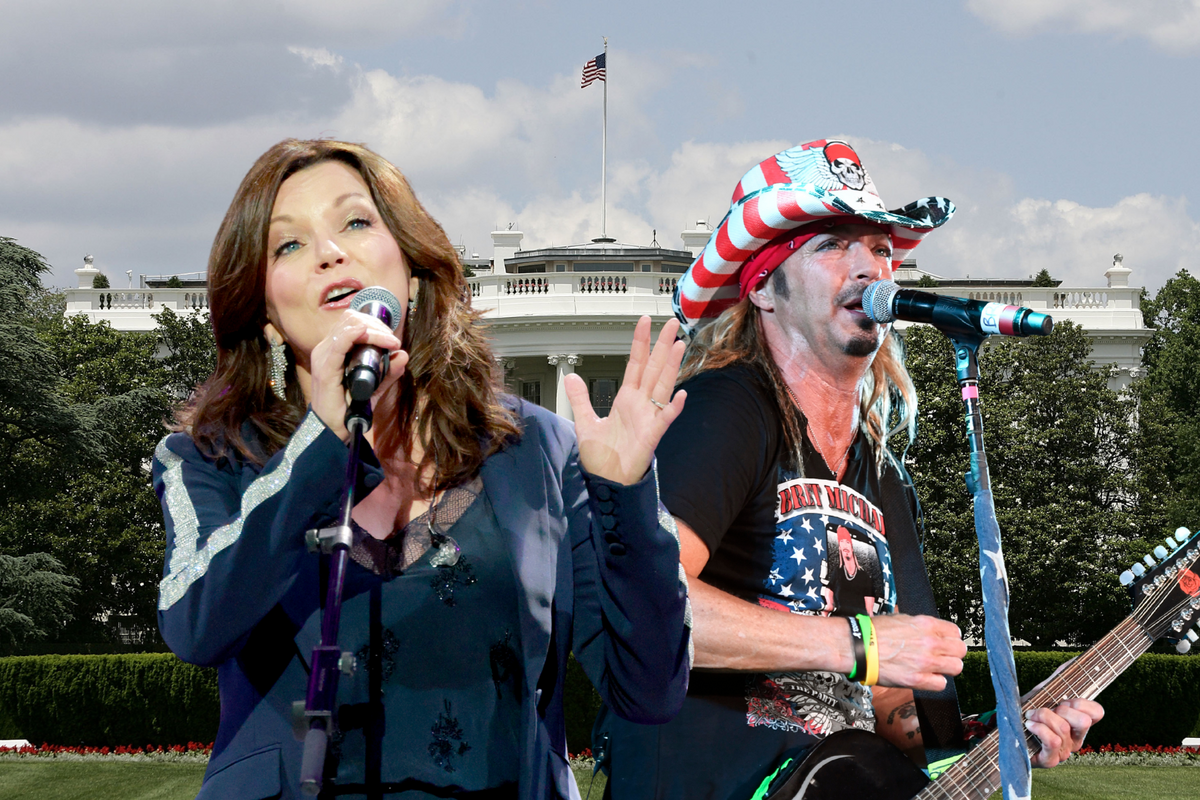
After controversy and criticism emerged surrounding her planned appearance at the Great American State Fair, Martina ultimately chose to step away from participating in the event. Her decision immediately triggered strong reactions from fans across the country, creating one of those moments that extended beyond music and became a wider discussion about expectations, values, and the changing relationship between artists and audiences.
For many fans, the response was emotional because of who Martina has become over the years.
She has built a long-standing reputation as an artist whose music feels grounded in honesty and emotional realism. Throughout her career, listeners connected with songs that explored difficult experiences, strength through adversity, family, vulnerability, and personal conviction.
Supporters often describe her as someone who never tried to present a manufactured version of herself.
That trust matters.
And because of that trust, the decision surrounding the event carried more emotional weight than a normal scheduling change.
Martina later explained that when the opportunity was originally presented to her, she understood it as a broad and neutral celebration connected to all 50 states and the country’s upcoming 250th anniversary. Over time, however, she reportedly came to feel that the event no longer reflected the understanding she initially had.
That realization influenced her decision.
At the same time, she also acknowledged something else that resonated strongly with audiences.
She shared concern about disappointing fans who may feel connected to what her music has represented over the years.
That admission became one of the most discussed parts of the story.
Rather than framing the decision as simple disagreement or dismissal, many fans interpreted her comments as evidence that she understood why people might feel conflicted.
And conflict has become exactly what defines the public reaction.
For one group of supporters, the disappointment feels understandable.
Many fans viewed the Great American State Fair primarily as a patriotic and cultural celebration rather than something political. To them, the event represented a moment to recognize national history and shared identity.
Those supporters argued that country music traditionally serves as common ground.
From their perspective, artists participating in events like these help create moments where people with different opinions can still come together around music.
Some expressed sadness rather than anger.
Their view was not necessarily that Martina should abandon her beliefs, but that showing up could have represented unity during a time when many people feel increasingly divided.
Others, however, see the situation differently.
Supporters defending Martina’s decision argue that consistency matters.
They believe audiences cannot celebrate artists for authenticity and then criticize them for making difficult decisions that align with their personal values.
For these fans, remaining true to personal conviction is not a contradiction of country music traditions — it is part of them.
Many pointed out that country music has historically included songs about standing firm, making uncomfortable choices, and accepting that not everyone will agree.
That perspective has gained significant support online.
Comment sections became filled with people saying it is possible to respect an artist while disagreeing with a particular decision.
Others argued that mature fandom should not require total agreement.
Instead, they believe admiration should leave room for complexity.
That idea may be why the conversation has continued growing.
Because underneath the headlines, this debate does not appear to be only about one event.
It reflects a larger question.
What do people expect from country music today?
For some, country music remains a place that should rise above division and focus on bringing people together.
For others, country music feels strongest when artists remain honest about who they are, even if that honesty creates disagreement.
Neither side necessarily views itself as opposing country values.
That is what makes the reaction feel more complicated than a typical controversy.
Industry observers have noted that situations like this are becoming increasingly common.
Public figures now operate in an environment where nearly every appearance, event, and decision becomes open to public interpretation.
Fans expect access.
They expect authenticity.
They expect values.
And increasingly, they expect artists to explain decisions in ways previous generations never had to.
That creates pressure.
Especially for artists whose careers were built on emotional trust.
Martina’s situation reflects that reality.
Supporters on both sides continue expressing admiration for her music while reaching different conclusions about the decision itself.
Some remain disappointed.
Others remain supportive.
Many feel both emotions at once.
That combination may actually say something important.
People care because the connection feels real.
If audiences had not trusted her music in the first place, the reaction likely would not feel this personal.
As the conversation continues, one thing has become increasingly clear.
This moment is larger than one performance or one event.
It has become a reflection of how audiences see artists, what they hope country music still represents, and whether disagreement automatically means disconnection.
Martina McBride made the decision she believed was right.
Fans are still deciding what that means to them.
And perhaps the most interesting part of the conversation is that many people seem willing to hold two feelings at once:
respect for the artist — and uncertainty about the choice.