Is Hannah Harper the Next Carrie Underwood? Why Industry Attention Around the American Idol Winner Keeps Growing
Comparisons in country music usually arrive early.
Sometimes too early.
A breakout performance happens, audiences connect emotionally, and almost immediately the same question appears: who does this artist remind people of?
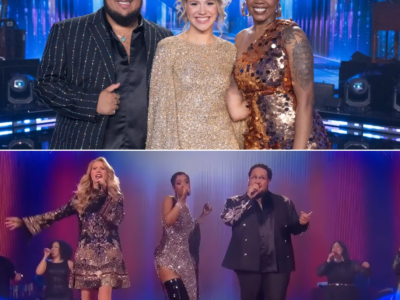
That conversation has started surrounding Hannah Harper with increasing intensity following her American Idol victory and a string of high-profile milestones afterward. Across social media and entertainment coverage, supporters and industry watchers have begun asking whether the Missouri singer could become one of country music’s next major crossover success stories—and whether her trajectory carries echoes of Carrie Underwood’s early rise. Harper became the first female country artist to win American Idol since Underwood’s historic victory more than two decades earlier, immediately creating natural comparisons between the two stories. While fans continue debating what comes next, many believe the bigger question is not whether Hannah becomes another Carrie Underwood—but whether she is beginning to establish something entirely her own.
The comparisons did not appear from nowhere.
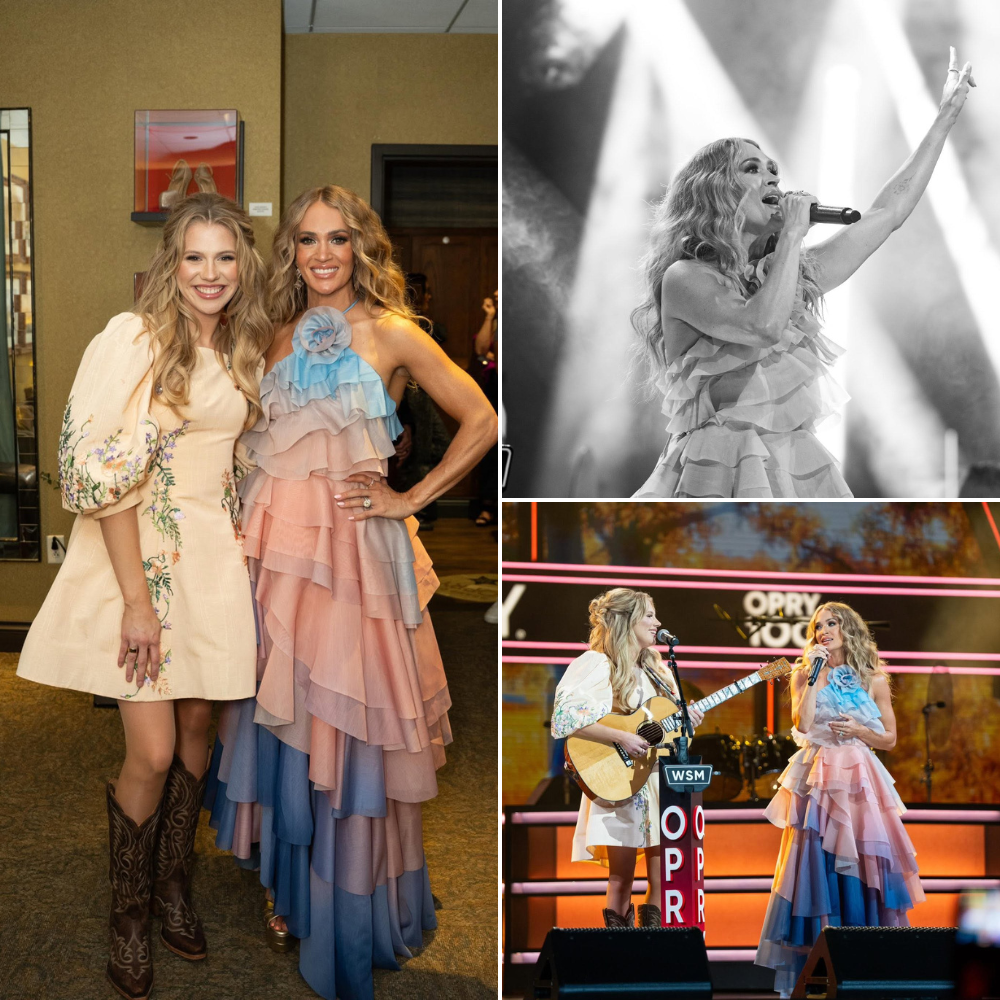
Supporters point to several visible similarities that make the discussion understandable. Like Underwood, Harper entered American Idol as a country singer with strong emotional instincts and an ability to connect personal stories to performance. Her early breakthrough moment came through an original song rather than a flashy introduction, helping establish an image rooted in authenticity and emotional communication. During auditions, Harper’s original song “String Cheese,” inspired by her experiences surrounding motherhood and postpartum struggles, generated strong reactions from judges and viewers and quickly became one of the defining moments of the season. Throughout the competition, audiences repeatedly responded to performances that felt emotionally direct rather than heavily stylized. That pattern helped create comparisons to earlier Idol success stories built around connection first and spectacle second.
At the same time, supporters increasingly argue that Harper’s strongest advantage may actually be her differences.
Unlike many competition winners who arrive with clearly commercial positioning already developed, fans frequently describe Harper as someone whose public identity still feels open and evolving. Before Idol, she performed with her family band, spent years away from larger industry spaces, and balanced music alongside family life and raising children. Supporters often point to those experiences as reasons her story feels unusually relatable. Comments surrounding her rise repeatedly emphasize that audiences appear interested not only in hearing songs but in following a person. Fans frequently describe her strongest quality as emotional trust—the sense that listeners believe what she sings. That perception appears to be shaping expectations around her future in a way that goes beyond traditional competition-show momentum.
Recent developments have only added to the feeling that her career may be entering a larger phase.
One of the most discussed signs came through the announcement that Harper signed with WME for global representation, placing her inside a professional environment designed to support broader career expansion. Supporters immediately interpreted the move as more than business news. Fans described it as evidence that momentum surrounding her extends beyond television exposure and into long-term planning. Comments repeatedly reflected excitement around future possibilities including touring, songwriting growth, strategic partnerships, and wider national visibility. Many supporters suggested representation at that level does not guarantee outcomes—but it signals that serious infrastructure is beginning to form around her career.
Another reason supporters believe her ceiling may be unusually high is the way audiences continue responding to her values and messaging.
Throughout public appearances and interviews, Harper has repeatedly spoken about faith, family, and maintaining perspective during rapid change. Fans frequently mention those themes when explaining why they continue following her after the competition ended. Supporters describe appreciating artists who appear focused on meaning rather than momentum alone. That connection seems especially important in country music, where audiences often remain loyal to artists whose identities feel stable across different career stages. Comments repeatedly suggest that listeners are becoming invested not simply because Harper can perform, but because they feel they understand what motivates her.
Still, industry observers often caution against expecting any artist to recreate another career exactly.
Carrie Underwood’s path remains one of the most successful stories in television competition history, and country music rarely repeats itself in identical ways. Supporters discussing Harper increasingly reflect that idea. Many fans suggest comparisons work best as reference points rather than expectations. Instead of asking whether Harper can become the next version of someone else, audiences appear increasingly interested in seeing what happens if she continues leaning into the qualities that introduced her originally. Comments repeatedly emphasize emotional songwriting, grounded storytelling, and building slowly rather than chasing speed. That perspective appears to be shaping how supporters imagine the next chapter.
Industry careers are often easier to understand in hindsight than while they are happening.
Right now, supporters are watching milestones arrive one at a time—winning American Idol, expanding opportunities, growing visibility, and securing global representation. None of those moments alone define a future. But together, they are creating momentum difficult to ignore. As conversations continue and fans speculate about what comes next, one feeling appears repeatedly across reactions. People are not asking whether Hannah Harper has potential anymore. They are asking how far it goes. And according to supporters already paying attention, the most exciting part may be that nobody knows the answer yet.