George Strait Reunites With Alan Jackson 26 Years After “Murder on Music Row” in an Emotional Farewell That Defined Country Music’s Biggest Night
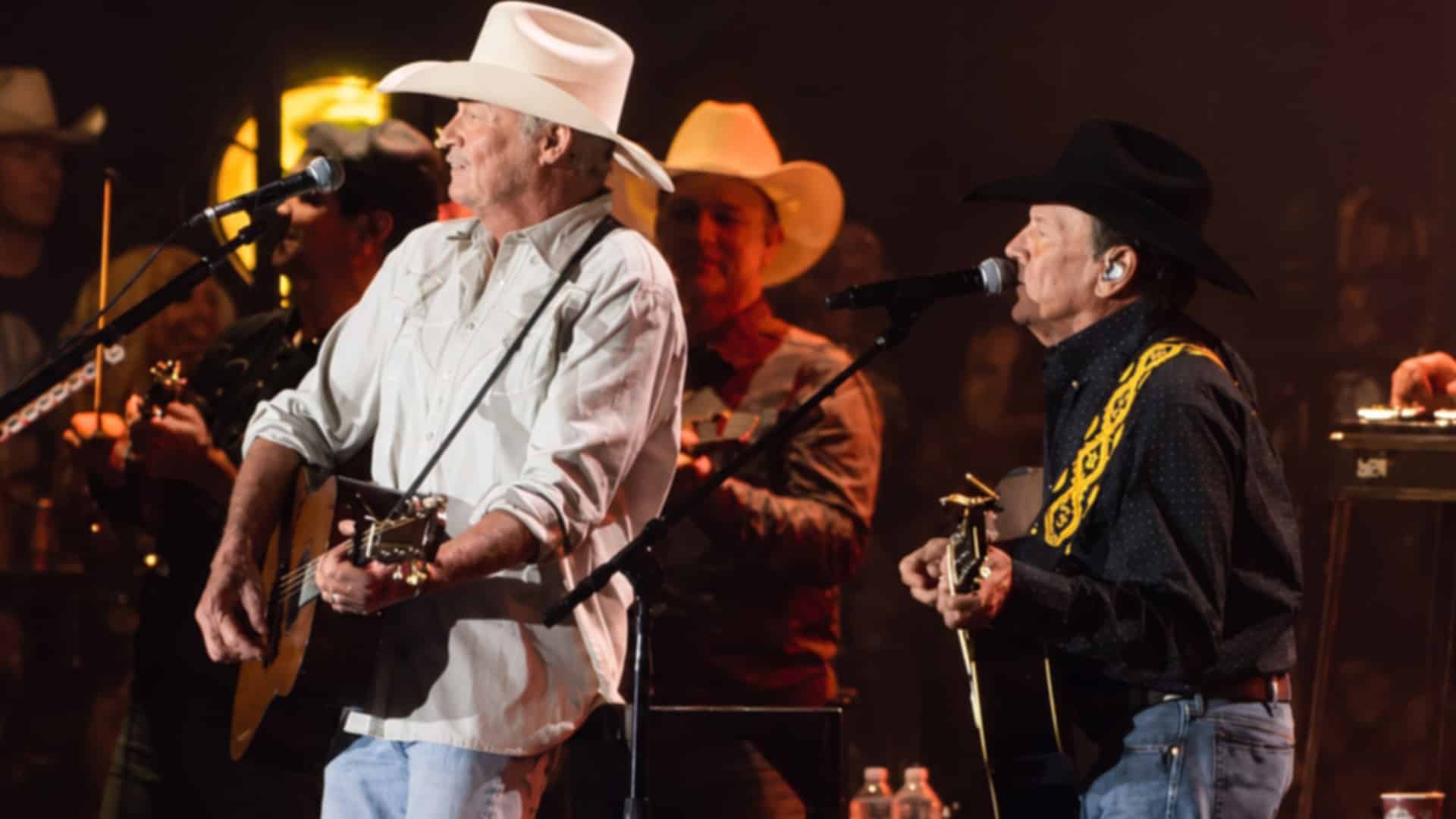
Few moments in country music carry the emotional weight of seeing two living legends share the same stage. On Saturday night at Last Call: One More for the Road – The Finale, that moment finally arrived as George Strait walked out to join Alan Jackson during the final full-length concert of Jackson’s touring career. For thousands of fans gathered inside Nashville’s Nissan Stadium, the appearance became one of the evening’s most unforgettable highlights. More than two decades after the pair famously collaborated on “Murder on Music Row,” the reunion served as a powerful reminder of their shared commitment to traditional country music and the friendship that has connected them throughout their remarkable careers. Even after a weather delay temporarily interrupted the evening, the atmosphere inside the stadium remained electric, and when Strait finally stepped into the spotlight, the crowd responded with one of the loudest ovations of the night. The emotional reunion quickly became one of the defining moments of a farewell concert already filled with unforgettable memories.
The significance of the reunion extended far beyond nostalgia. Released in 2000, “Murder on Music Row” became one of the most influential songs in modern country music, offering a heartfelt defense of the genre’s traditional roots during a period of rapid change. Although never intended as a commercial controversy, the recording resonated deeply with listeners who believed classic country storytelling deserved to remain at the heart of the industry. Jackson and Strait, already two of the genre’s most respected voices, became closely associated with preserving those traditions. Twenty-six years later, seeing the two artists stand together once again carried symbolic meaning for fans who had followed both careers from the beginning. The reunion reminded audiences not only of an iconic collaboration but also of the values that helped define both artists—honesty, authenticity, and unwavering respect for country music’s heritage.
Saturday’s farewell concert nearly faced an unexpected challenge before that memorable moment could unfold. Severe weather moved through the Nashville area, forcing organizers to temporarily delay portions of the event as lightning approached the stadium. Rather than diminishing the evening, the interruption seemed to strengthen the anticipation inside Nissan Stadium. Fans remained patient, filling the venue with conversation, songs, and shared memories while waiting for the performance to resume. When the weather cleared and the concert continued, the energy inside the stadium felt even more intense. Supporters later described the delay as a reminder that memorable live events often become unforgettable not because everything goes exactly as planned, but because artists and audiences experience unexpected moments together. By the time George Strait appeared, the emotional atmosphere had reached an extraordinary level, making the reunion even more meaningful for everyone in attendance.
As Strait joined Jackson on stage, the moment reflected decades of mutual admiration between two performers whose careers helped shape modern country music. Before thousands of cheering fans, Strait honored Jackson not simply as a chart-topping artist but as someone whose integrity and commitment to traditional country had inspired generations of musicians. Their appearance together symbolized more than professional respect; it represented a friendship built through years of shared experiences, countless performances, and a common belief in preserving the genre’s identity. Fans watching from the audience responded with prolonged applause, recognizing that they were witnessing two members of country music royalty standing side by side during one of the most significant nights in the genre’s recent history. For many supporters, that image instantly became one of the defining photographs of the farewell celebration.
Throughout the evening, tributes from fellow artists consistently emphasized Jackson’s influence beyond his extraordinary catalog of songs. Performers reflected on his humility, songwriting, generosity, and quiet leadership within the country music community. Yet Strait’s appearance carried unique emotional significance because of the history the two men share. Both built careers rooted in traditional country music while remaining remarkably consistent despite changing trends within the industry. Their continued dedication earned admiration not only from fans but also from younger artists seeking inspiration from performers who prioritized authenticity above commercial pressure. The reunion therefore represented more than a celebration of the past—it reinforced the enduring relevance of the principles both artists have represented throughout their careers.
The farewell concert itself marked the conclusion of Jackson’s remarkable touring journey after more than four decades on the road. In recent years, the Country Music Hall of Fame member has spoken openly about living with Charcot-Marie-Tooth disease, a hereditary neurological condition affecting balance and mobility. Rather than quietly stepping away from live performance, Jackson chose to conclude his touring career with a celebration that brought together fans, friends, and fellow artists who had shaped his remarkable journey. Throughout the evening, supporters responded with standing ovations, sing-alongs, and emotional tributes that reflected not sadness alone but deep appreciation for everything Jackson contributed to country music. Strait’s appearance added another unforgettable chapter to that celebration, reminding audiences that great friendships often become part of an artist’s legacy alongside the music itself.
When the final notes echoed across Nissan Stadium, many fans left believing they had witnessed more than the conclusion of a legendary tour. They had seen a gathering of country music history brought to life through songs, stories, friendships, and shared respect between some of the genre’s greatest figures. George Strait’s reunion with Alan Jackson became a defining image of the evening because it represented everything supporters admire about traditional country music—loyalty, humility, authenticity, and timeless storytelling. While Jackson’s days as a touring artist have officially come to an end, moments like Saturday night ensure that his influence will continue shaping country music for generations to come. For thousands who filled the stadium, the evening was not remembered simply because it was the last concert. It was remembered because two legends stood together one final time, proving that the values they have spent decades protecting remain very much alive.