Finnish Divers Expose Fatal Equipment Mistake Behind Maldives Underwater Cave Tragedy
Disturbing new revelations are emerging from an exclusive interview with the elite Finnish rescue divers involved in recovering the bodies of five Italian divers trapped inside the deadly Alimathà cave system in the Maldives. According to the specialists who participated in the dangerous underwater recovery mission, the group allegedly entered the deep submerged cave using recreational-style diving equipment that experts now believe was completely inadequate for the extreme conditions hidden beneath the surface.
The claims, first discussed in interviews connected to the recovery operation, are intensifying debate throughout the international diving community regarding whether the victims were properly equipped for one of the most dangerous forms of underwater exploration. Technical diving experts say the cave system near Vaavu Atoll required highly specialized gear configurations typically reserved for advanced cave and deep-environment diving rather than standard recreational setups.
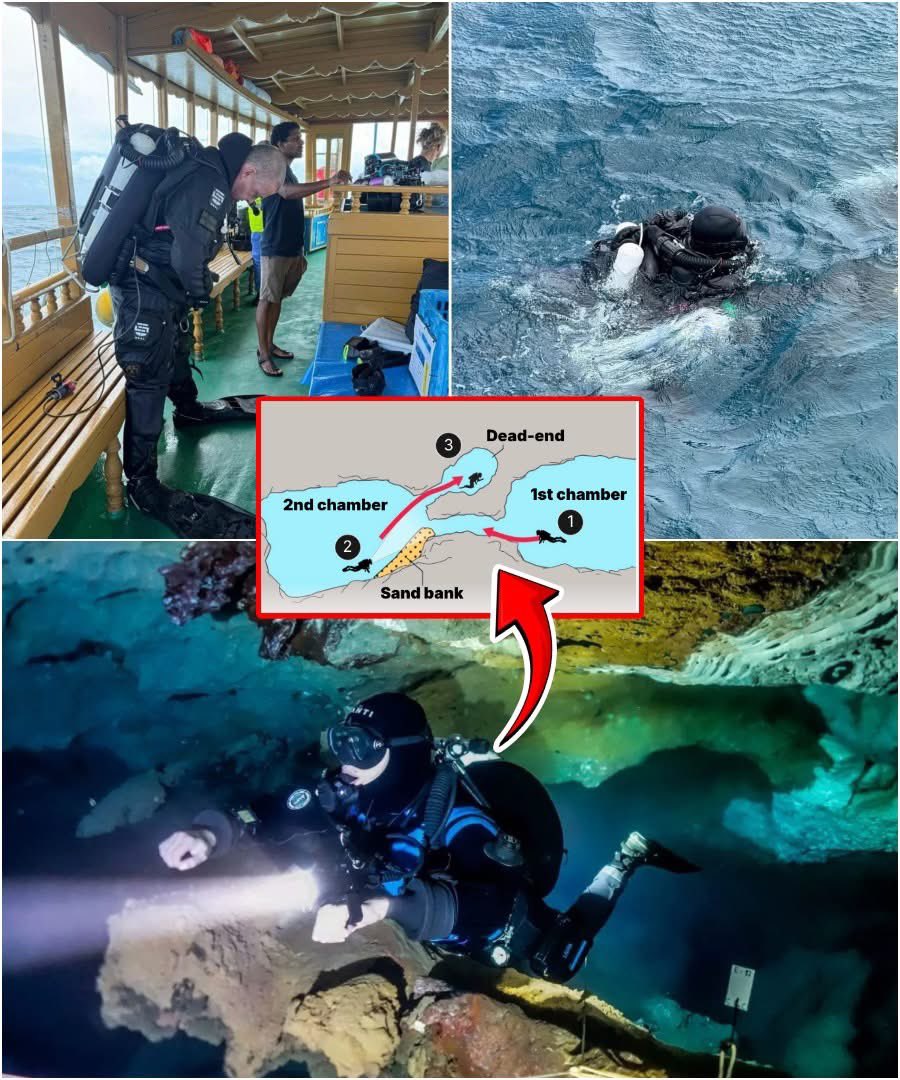
Rescue personnel reportedly described the situation inside the cave as catastrophic. Deep underwater pressure, collapsing visibility, narrow tunnels, and the complete absence of direct escape routes created an environment where even small mistakes could rapidly become fatal. According to the Finnish recovery team, the type of equipment allegedly carried by the divers may have significantly reduced their ability to survive once visibility disappeared and orientation was lost inside the submerged labyrinth.
Experts familiar with cave diving explain that specialized technical systems are normally considered essential for dives at such depths because underwater caves eliminate the possibility of emergency ascent directly to the surface. Technical divers often rely on redundant oxygen supplies, advanced navigation systems, backup lighting, specialized breathing gas mixtures, decompression planning, and guideline management specifically designed for enclosed underwater environments.
The Alimathà cave system itself has become internationally infamous following the tragedy. Investigators believe the divers became trapped after disturbed sediment rapidly transformed the water into total darkness, causing the group to lose all orientation while attempting to return to open water. Authorities suspect the divers mistakenly entered a dead-end corridor where oxygen supplies quickly became critical.
According to recovery specialists, the situation may have become even more dangerous if the divers lacked appropriate technical redundancy systems typically required for deep cave exploration. Diving experts warn that recreational gear configurations often provide limited margins for emergency response once divers become trapped in enclosed underwater spaces with no visibility.
The Finnish rescue team reportedly faced many of the same terrifying conditions during the multinational recovery operation. Divers navigated through collapsing visibility, powerful psychological pressure, narrow submerged passages, and dangerous decompression conditions while retrieving the victims from approximately 50 to 60 meters beneath the surface. Several rescuers later described the operation as one of the most technically demanding recovery missions they had ever encountered.
The revelations surrounding the equipment used by the victims are now fueling broader debate about the growing popularity of extreme underwater tourism and advanced cave exploration among divers who may not possess fully specialized training or gear. Some experts argue that social media, adventure tourism culture, and the increasing accessibility of deep dive destinations have encouraged recreational divers to enter environments once reserved almost exclusively for elite technical specialists.
Meanwhile, emotional tributes continue across Italy as families mourn the victims following the repatriation of the bodies from the Maldives. The tragedy devastated multiple families, including the relatives of mother and daughter Monica Montefalcone and Giorgia Sommacal, whose deaths became some of the most heartbreaking stories connected to the disaster.
Investigators continue examining dive computers, oxygen usage data, GoPro recordings, and recovered equipment to determine the precise sequence of events that unfolded inside the cave. Authorities hope the analysis may eventually explain exactly how the group became disoriented and whether equipment limitations directly contributed to the fatal outcome.
For many within the diving world, however, the newest revelations have already transformed the disaster into a grim warning about the unforgiving nature of underwater cave exploration. What may initially appear to be a breathtaking adventure beneath crystal-clear tropical waters can instantly become lethal once darkness, sediment, depth, and inadequate preparation collide inside a submerged cave system.
Now, as more details continue emerging from the rescue teams who witnessed the cave firsthand, many experts fear the Alimathà tragedy could become a defining case study in the deadly consequences of entering extreme underwater environments without the specialized equipment such dives truly demand.