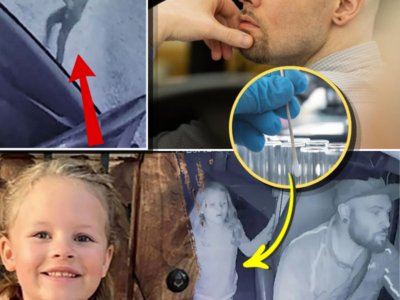
The case involving 7-year-old Athena Strand continues to draw intense public attention as details from court proceedings and official records outline how investigators built their case against Tanner Horner. While online discussions have introduced dramatic claims about “leaked footage” and hidden details, authorities emphasize that the case has been established through documented evidence presented within the legal process.
According to prosecutors, the investigation focused on reconstructing the timeline from the moment Athena was last seen to the point where law enforcement identified and located the suspect. This process involved multiple forms of evidence, including forensic analysis, vehicle tracking data, and statements obtained during the investigation. Each element was used to corroborate the others, forming a consistent narrative presented in court.
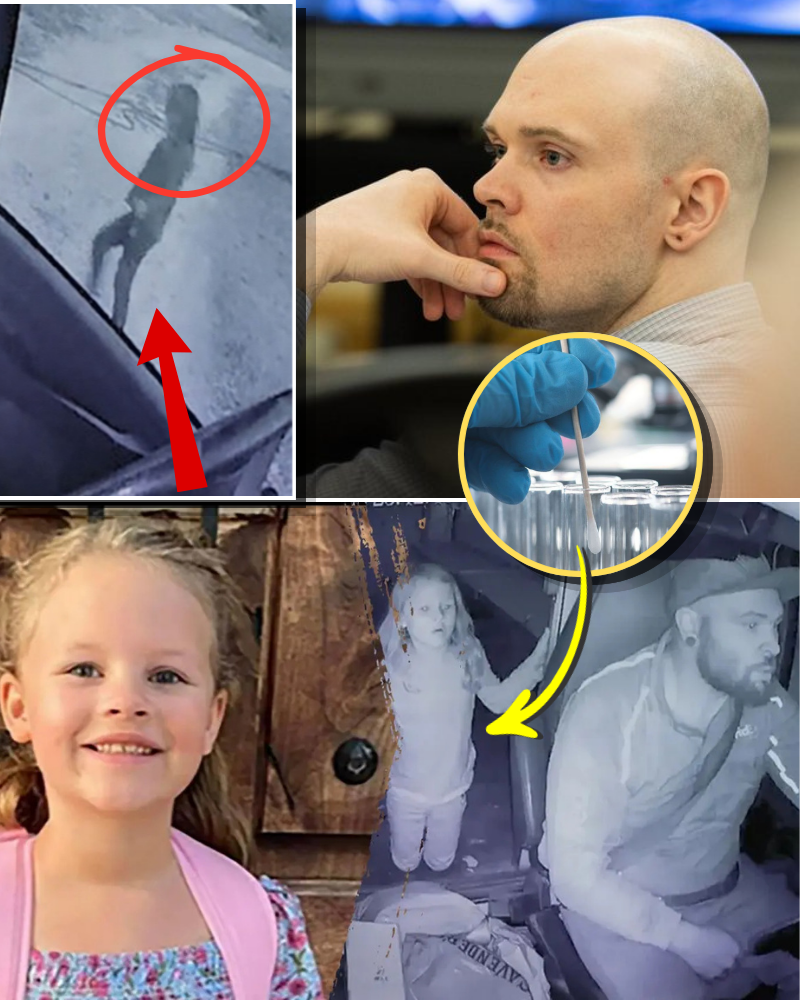
Forensic evidence played a central role in linking the suspect to the victim. Investigators collected biological samples and other trace material, which were analyzed using standard laboratory procedures. While specific details are not fully disclosed publicly, officials have stated that the findings supported the charges and were consistent with the timeline established through other forms of evidence. Courts typically restrict the release of sensitive forensic details, particularly in cases involving minors.
Public interest has also focused on the possibility of video recordings from the delivery vehicle. Authorities have confirmed that digital data, including movement logs and potentially relevant video sources, were reviewed during the investigation. However, they have not publicly described or released any specific footage from inside the vehicle. In criminal cases, such material is often reserved for court proceedings rather than public distribution to ensure accuracy and fairness.
Claims circulating online about what the camera “recorded in the final minutes” remain unverified. Law enforcement has not confirmed any detailed public account of such footage, and officials caution that speculation can misrepresent the evidence. Verified information in this case has come primarily from court filings and official statements, rather than unofficial leaks.
The victim’s family has been actively involved in the legal process, including making statements regarding the impact of the crime and their views on sentencing. Such statements are typically presented during court proceedings and reflect the personal consequences of the case rather than additional evidence about what occurred. Legal experts note that sentencing decisions are determined by the court based on statutory guidelines and the full body of evidence.
Investigators have emphasized that the case was built methodically, using a combination of physical, digital, and testimonial evidence. This approach is standard in serious criminal investigations, where no single piece of evidence is relied upon in isolation. Instead, multiple sources are aligned to establish a clear and consistent account of events.
Authorities continue to caution against relying on unverified or sensationalized claims, particularly those suggesting undisclosed evidence or alternative explanations not supported by official records. In high-profile cases, such narratives can spread quickly, often diverging from confirmed facts.
As the legal process moves forward, the focus remains on the evidence presented in court and the procedures that govern how it is evaluated. While public interest remains high, officials stress that the most accurate understanding of the case comes from verified information rather than speculation.
The case stands as a reminder of how investigations are conducted and how evidence is handled within the justice system. Despite the intensity of online discussion, the outcome will ultimately be determined through established legal processes, based on the full scope of information presented in court.