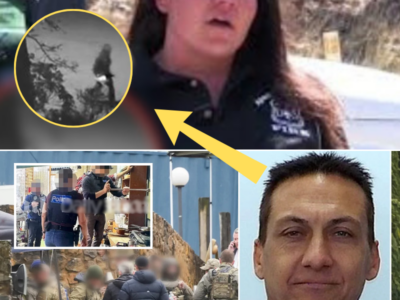
The case of Dezi Freeman has returned to public attention following online reports about the identity of a person who allegedly claimed a reward connected to his capture. The claims describe a woman living near the New South Wales border who reportedly provided information leading to a breakthrough. However, authorities have not officially confirmed the identity of any individual who may have received a reward, and details surrounding the claim remain unclear.
Freeman, who had been the subject of a nationwide search, was considered one of Australia’s most wanted individuals prior to his reported death. Law enforcement agencies had issued appeals for information during the search, which included the possibility of financial rewards for credible tips. Such incentives are commonly used in high-profile cases to encourage members of the public to come forward with information.
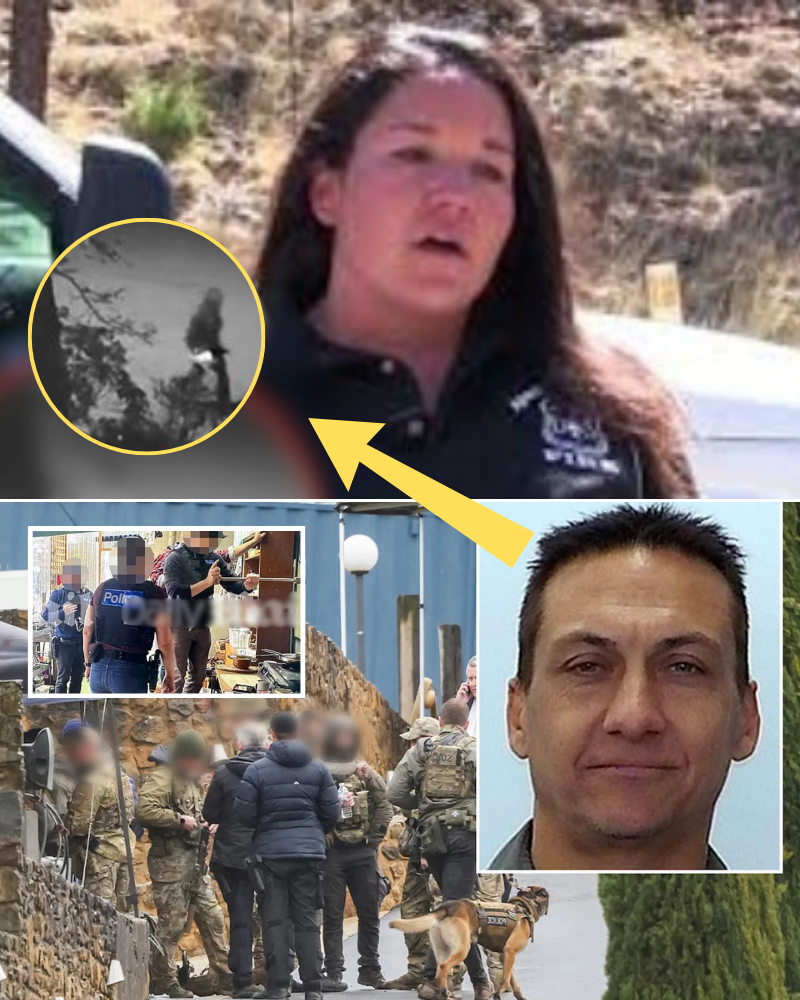
Recent reports circulating online describe an account in which the alleged informant encountered Freeman while he was disguised and living in a rural area. These descriptions, often presented in dramatic terms, suggest that the encounter occurred without immediate recognition and only later raised suspicion. While these narratives have gained traction, officials have not verified the accuracy of these accounts or confirmed that they played a role in the investigation.
Another claim that has generated significant attention involves the suggestion that Freeman may not have been acting alone. References to a possible “accomplice” who lived in close proximity for an extended period have been widely shared. However, law enforcement authorities have not confirmed the existence of such an individual or indicated that additional suspects are being pursued in connection with the case.
Experts note that in high-profile investigations, unverified details often emerge after major developments, particularly when public interest is high. These claims can include personal accounts, descriptions of encounters, or theories about additional individuals involved. Without confirmation from official sources, such information should be treated with caution.
The process of verifying reward claims typically involves strict criteria. Authorities must confirm that the information provided directly contributed to the outcome of the case before any payment is made. Details about recipients are not always disclosed publicly, especially if privacy or safety concerns are involved. This can contribute to uncertainty about who, if anyone, has received a reward.
The broader context of the case highlights the challenges of tracking individuals who actively attempt to avoid detection. Disguises, movement across regions, and limited visibility in rural areas can complicate investigations. However, establishing the full scope of how an individual operated—and whether others were involved—requires confirmed evidence rather than anecdotal reports.
Public reaction to the recent claims has been mixed, with some viewing the reported account as plausible and others questioning its authenticity. The lack of official confirmation has left many aspects of the story unresolved, contributing to ongoing speculation. As with similar cases, definitive answers are expected to come only through formal statements from authorities.
At this stage, officials have not announced new findings related to accomplices or confirmed the identity of any reward recipient. The investigation into Freeman’s activities, including his movements prior to his death, may still involve ongoing review. However, no verified information has been released to support the more dramatic elements currently circulating online.
The Dezi Freeman case remains a subject of significant public interest, but much of the latest discussion is based on unconfirmed reports. Authorities have emphasized the importance of relying on verified updates as they become available. Until such information is provided, claims regarding the reward and alleged accomplices remain speculative.
News
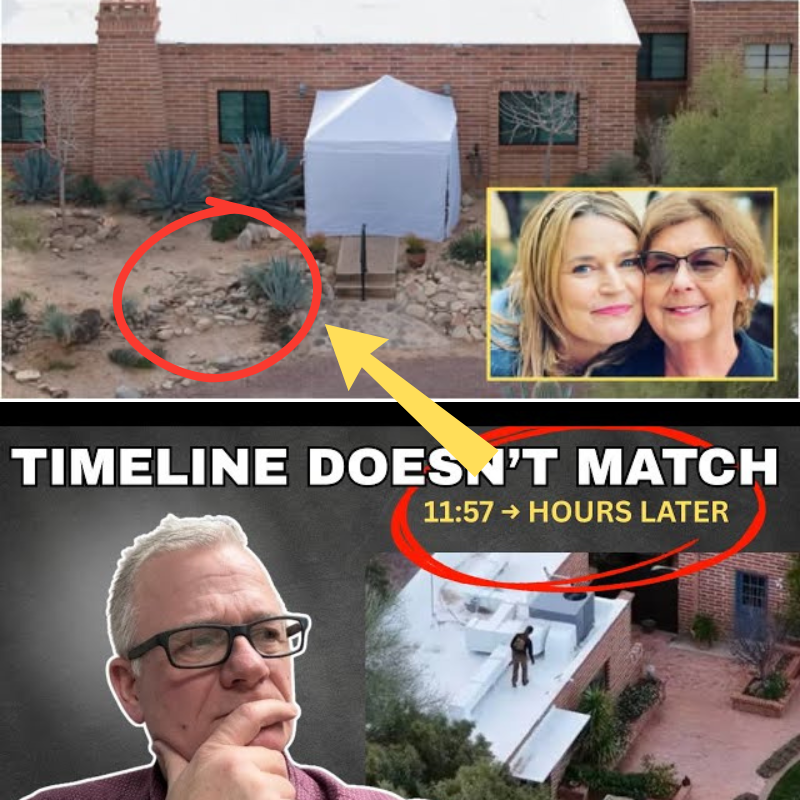
Nancy Guthrie Case: Timeline Questions Emerge as Investigators Examine Early Hours
The disappearance of Nancy Guthrie is drawing renewed scrutiny as questions arise about the sequence of events in the critical early hours of the case. While investigators have focused on…

Cardi B Mentions Beyoncé’s Cécred During Beauty Launch, Sparking Industry Conversation
A recent interview featuring Cardi B has drawn attention after the artist spoke positively about a haircare product from Beyoncé’s brand, Cécred. The comments, made during a discussion about beauty…

Cardi B vs. Cristiano Ronaldo: Viral Claim Sparks Debate Over Global Fame and Cultural Reach
A viral claim circulating online suggests that Cardi B stated she is more famous than Cristiano Ronaldo, allegedly arguing that football is only widely known in Europe and does not…

Challenging Terrain Complicates Ongoing Search Efforts in Nancy Guthrie Case
Search efforts connected to the disappearance of Nancy Guthrie are facing increasing difficulty as authorities contend with what has been described as highly challenging terrain near the area of interest….
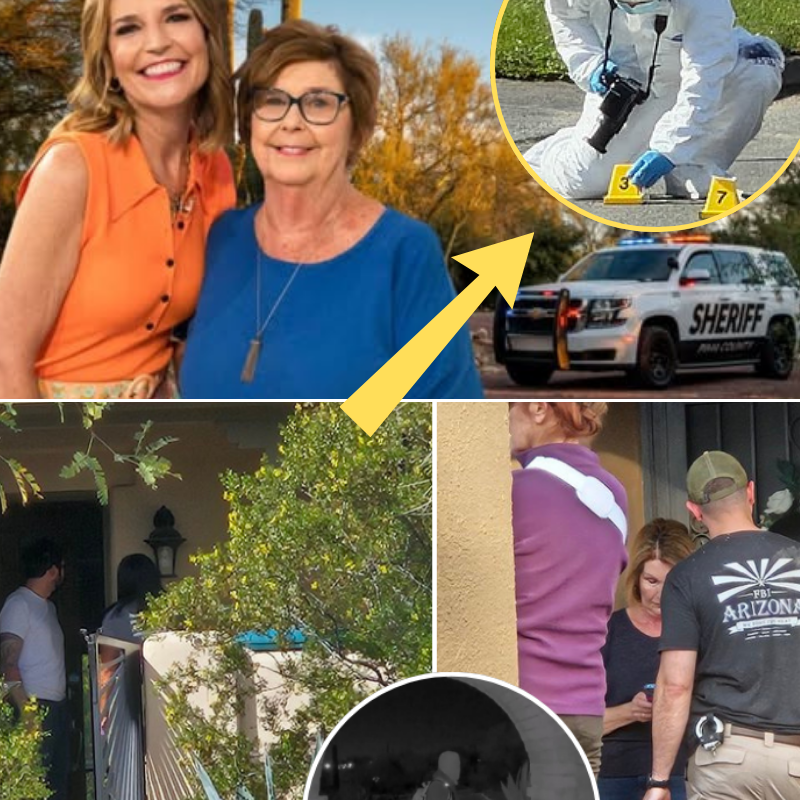
Nancy Guthrie Case Draws Renewed Attention Amid Reports of New Evidence Near Neighboring Property
The case of Nancy Guthrie has returned to the spotlight following unconfirmed reports of new evidence discovered near a neighboring property linked to the investigation. While details remain limited, the…
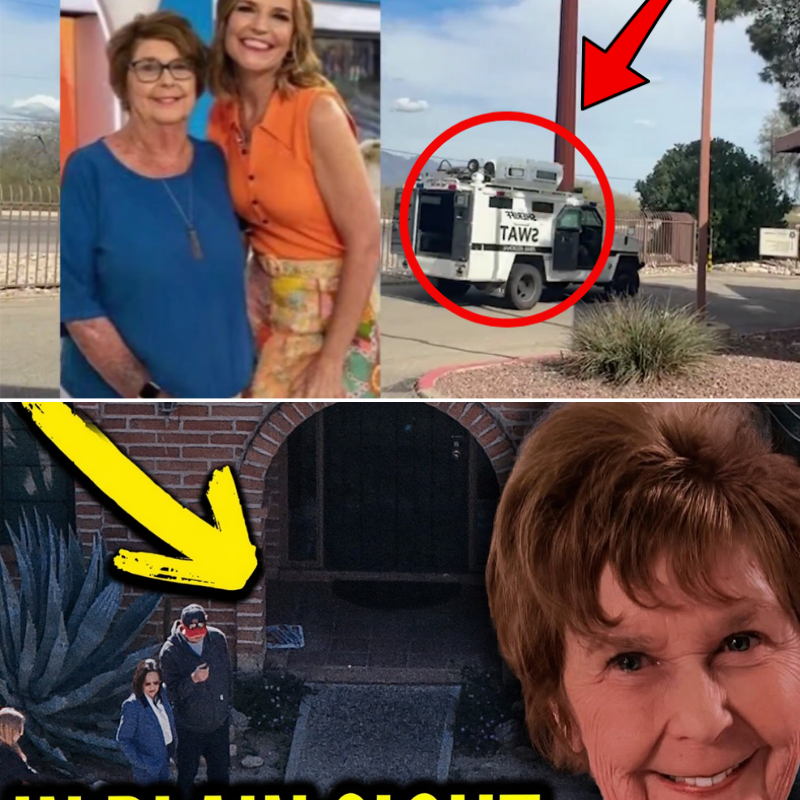
Forensic Analysis Highlights “Behavioral Mistake” in Nancy Guthrie Disappearance Case
New attention has emerged around the disappearance of Nancy Guthrie following commentary from forensic specialist Laura Pettler, who outlined what she described as a possible “behavioral mistake” connected to the…
End of content
No more pages to load