The long-running case of Madeleine McCann has entered a new phase of public debate following remarks attributed to a veteran police figure, who suggested that the global attention surrounding the case may have also carried commercial implications for media organizations. The comments have sparked widespread discussion, raising questions about the relationship between high-profile investigations and the media coverage they generate.
Since Madeleine’s disappearance in 2007 in Praia da Luz, the case has remained one of the most extensively reported missing person stories in modern history. Media outlets across the world have covered developments, revisited timelines, and explored potential leads over the years. This sustained coverage has kept the case in the public eye, contributing to both awareness and ongoing interest.

The recent remarks have introduced a controversial perspective, suggesting that prolonged media attention may also reflect the commercial realities of the news industry. High-profile cases often attract significant viewership, readership, and engagement, which can translate into advertising revenue and broader audience reach. However, such claims remain a matter of opinion and have not been substantiated by concrete evidence.
Media analysts note that there is an inherent tension between public interest and commercial incentives in journalism. On one hand, coverage of major cases can play a crucial role in maintaining awareness, encouraging the flow of information, and supporting investigative efforts. On the other hand, the same coverage can contribute to increased traffic and revenue for media organizations, particularly in an era where digital engagement is closely tied to financial performance.
In the case of Madeleine McCann, the scale and duration of coverage are unusual, reflecting both the nature of the disappearance and the international response it generated. The involvement of multiple law enforcement agencies, the emergence of various leads, and the emotional resonance of the story have all contributed to its continued visibility. Whether this level of attention is driven purely by public interest or influenced by additional factors remains a subject of debate.
Critics of the “Profit Child” theory argue that sustained media attention has played a positive role in keeping the case active and ensuring that new information continues to surface. They emphasize that without ongoing coverage, public awareness might diminish, potentially reducing the likelihood of new leads emerging. From this perspective, media involvement is seen as a necessary component of long-term investigative efforts.
Others, however, suggest that the intensity of coverage can sometimes blur the line between reporting and sensationalism. In highly publicized cases, repeated retelling of events and the introduction of speculative narratives can contribute to confusion or misinterpretation. This dynamic underscores the importance of responsible reporting and the need to distinguish between verified information and conjecture.
Experts in media ethics highlight that the primary responsibility of journalism is to inform the public accurately and responsibly. While financial considerations are an inherent part of the industry, they should not override the principles of factual reporting and sensitivity, particularly in cases involving victims and their families. Balancing these priorities can be challenging, especially in stories that attract global attention.
The discussion surrounding the “Profit Child” claim ultimately reflects broader questions about how major cases are covered and consumed in the modern media landscape. As audiences engage with such stories across multiple platforms, the interplay between information, interpretation, and commercial dynamics becomes increasingly complex.
At this stage, the claims remain unverified and represent one perspective within a larger conversation. The investigation into Madeleine McCann’s disappearance continues, with authorities focusing on evidence-based approaches to uncover the truth. Meanwhile, the debate over media coverage serves as a reminder of the multifaceted nature of high-profile cases and the various factors that shape how they are presented to the public.
News
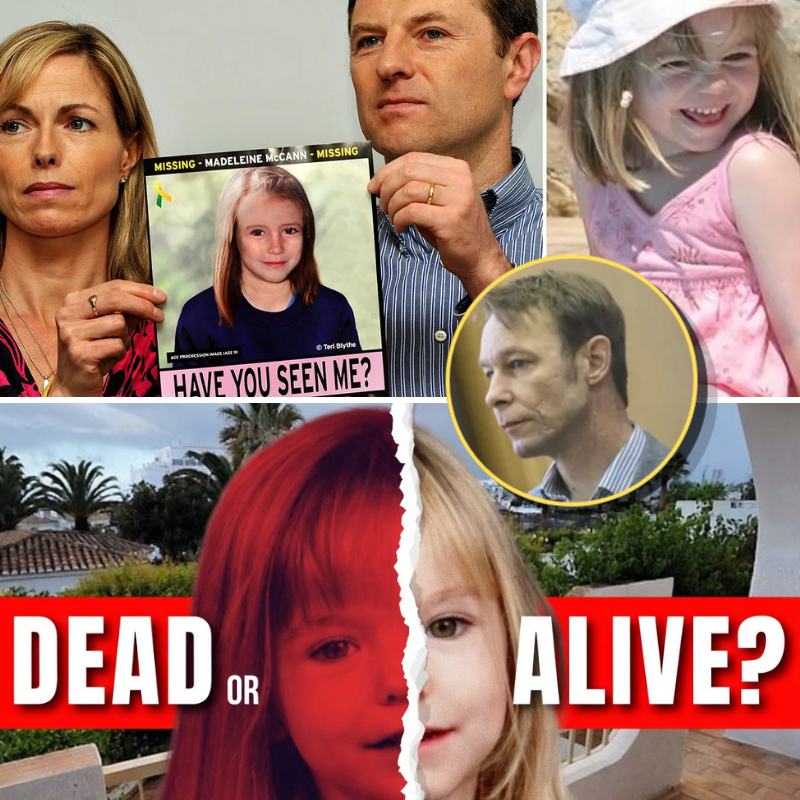
Madeleine McCann Case Reignites as Parents Share Perspective on Hope and New Leads
The long-running case of Madeleine McCann has returned to global attention following recent remarks from her parents, who continue to hold onto hope nearly two decades after her disappearance. In…
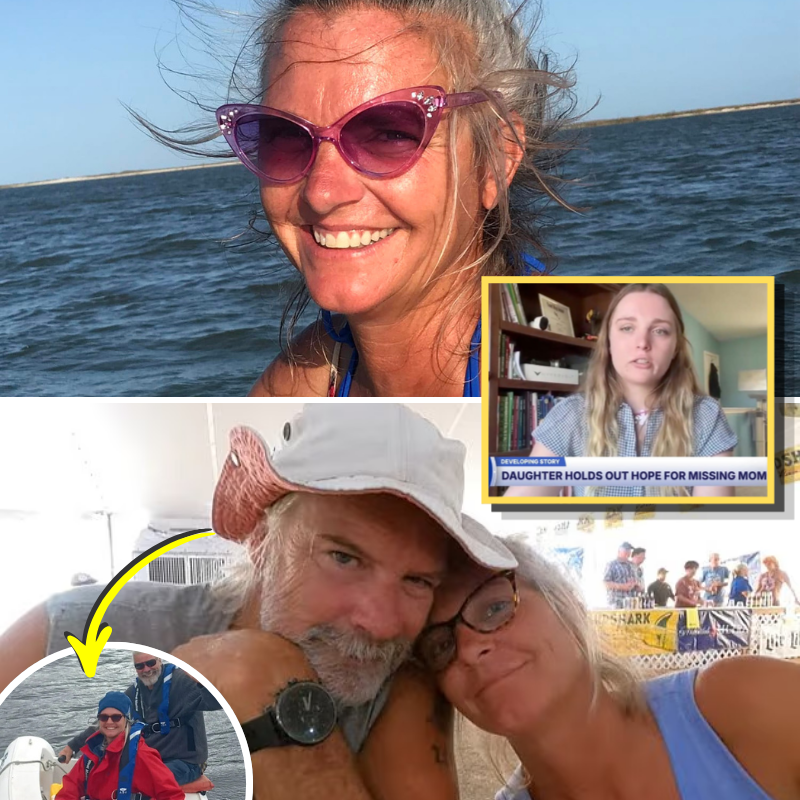
Family Statement Raises Questions in Lynette Hooker Disappearance Case
The disappearance of Lynette Hooker has taken on an increasingly emotional dimension following a public statement from her daughter, who is now calling for answers regarding the timeline of events….
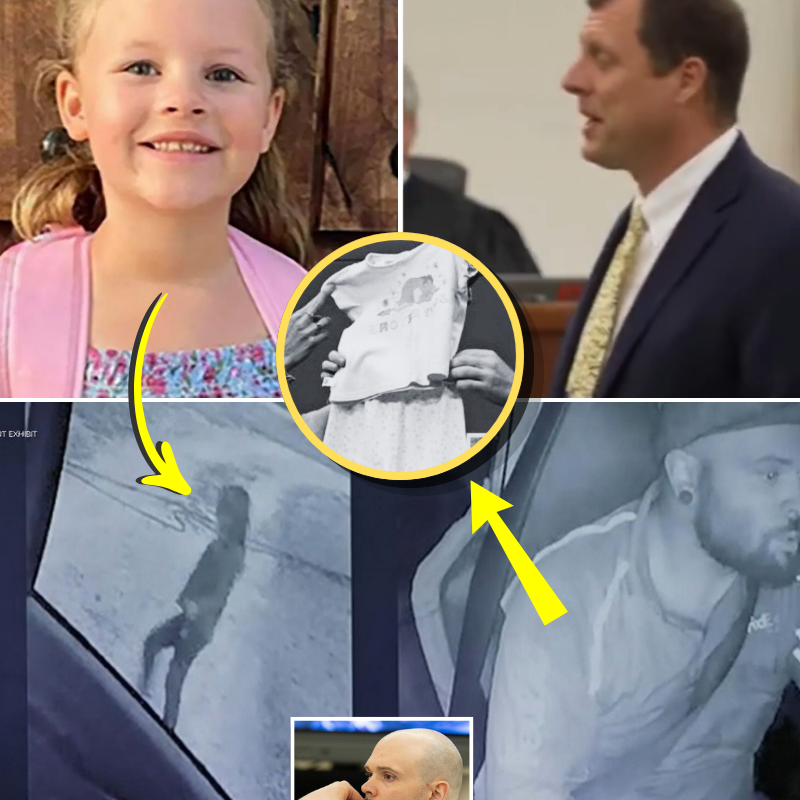
Athena Strand Case Draws Renewed Attention as Online Claims Circulate
The case involving Athena Strand has once again become the focus of public attention, as new claims and discussions circulate online regarding the circumstances surrounding her death. While the case…

Cardi B Responds to Plastic Surgery Discussion With Direct and Unfiltered Statement
Cardi B has once again captured public attention after addressing the topic of plastic surgery in a candid and unapologetic manner. Known for her direct communication style, the rapper made…

Rihanna Sparks Pregnancy Speculation After Paris Appearance Ahead of Met Gala
Rihanna is once again at the center of online speculation following her recent appearance in Paris, where paparazzi photos have prompted widespread discussion among fans. The images, which quickly circulated…

Cardi B Stuns Fans With Show-Stopping Look at Philadelphia Tour Afterparty
Cardi B has once again captured the attention of fans and fashion enthusiasts after appearing at her tour afterparty in Philadelphia in a look that quickly went viral. Known for…
End of content
No more pages to load