Bodycam footage and court testimony detail arrest in Athena Strand case
Newly released evidence in the case involving Athena Strand is drawing renewed attention after authorities presented body camera footage alongside testimony from a Texas Rangers investigator. The material, introduced during court proceedings, provides additional context surrounding the arrest of Tanner Horner and the events that followed the child’s disappearance.
According to statements made in court, officers located and detained Horner during an active investigation into the missing child. Bodycam recordings reportedly show the moment of arrest, capturing interactions between law enforcement and the suspect as he was taken into custody. Such footage is often used to document procedure and establish a clear record of how an arrest was conducted.
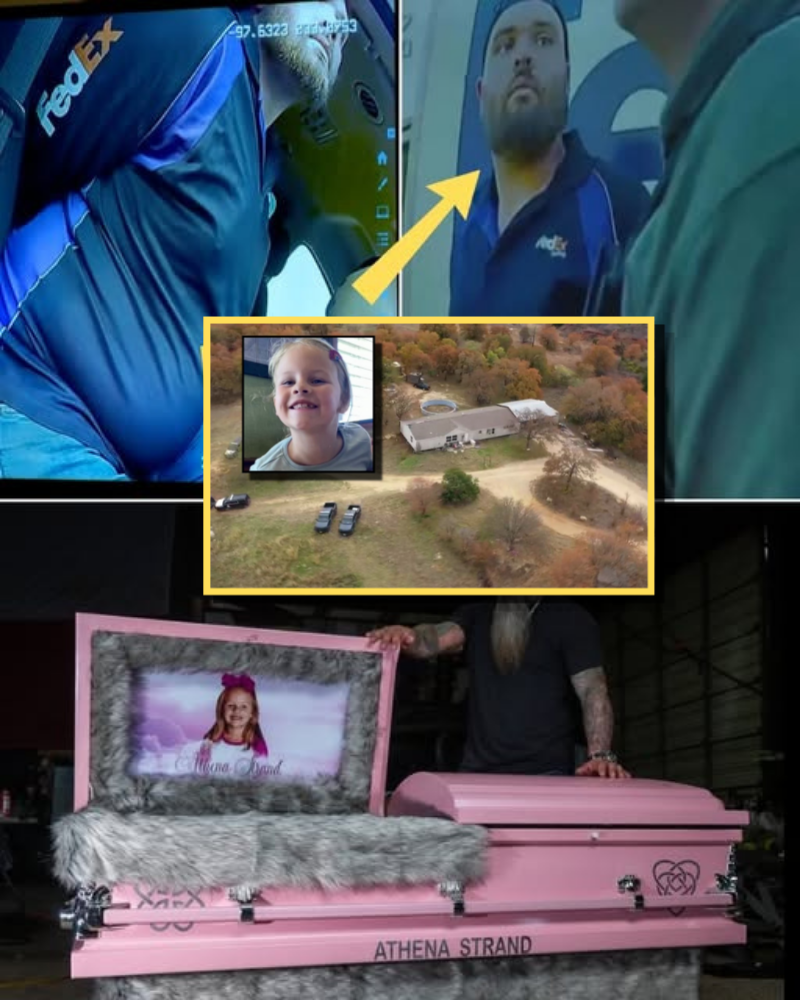
Testimony presented by investigators outlined the sequence of events leading up to the incident. Prosecutors stated that the encounter began as a routine interaction but escalated under circumstances that are now central to the case. Authorities described the situation as evolving rapidly, with decisions made in a short timeframe. The specific details of that progression are being examined as part of the legal process.
In court, a Texas Ranger provided an account of the investigation, including statements attributed to the suspect. According to the testimony, the motive described by investigators involved a reaction to a potential disclosure related to an earlier event. Legal experts note that such claims must be evaluated through evidence presented during the trial, including statements, forensic findings, and corroborating material.
The case has generated significant public reaction due to the age of the victim and the nature of the allegations. Community members and observers have followed developments closely, particularly as new evidence is introduced in court. Officials have emphasized that all information presented is subject to judicial review and must be considered within the framework of due process.
Bodycam footage, when introduced as evidence, is typically analyzed for both content and context. It can provide insight into timing, officer conduct, and the behavior of individuals involved. However, legal analysts caution that such recordings represent only part of the overall evidentiary picture and must be considered alongside other materials.
Proceedings in the case remain ongoing, with additional hearings expected as prosecutors and defense attorneys present their arguments. The court will ultimately determine how the evidence is interpreted and whether it meets the legal standards required for a verdict.
For now, the release of the footage and the accompanying testimony mark a significant development in the case. Authorities continue to focus on presenting a complete account of events, while the legal process moves forward in addressing one of the most closely followed cases in the region.