Australian Man Accused In Thai Suitcase Murder Case Allegedly Displayed Firearms To Neighbors, Reports Say
An Australian man facing murder charges in Thailand has become the focus of renewed public attention after former neighbors described aspects of his life before his arrest, including claims that he occasionally displayed firearms while living in Western Australia.
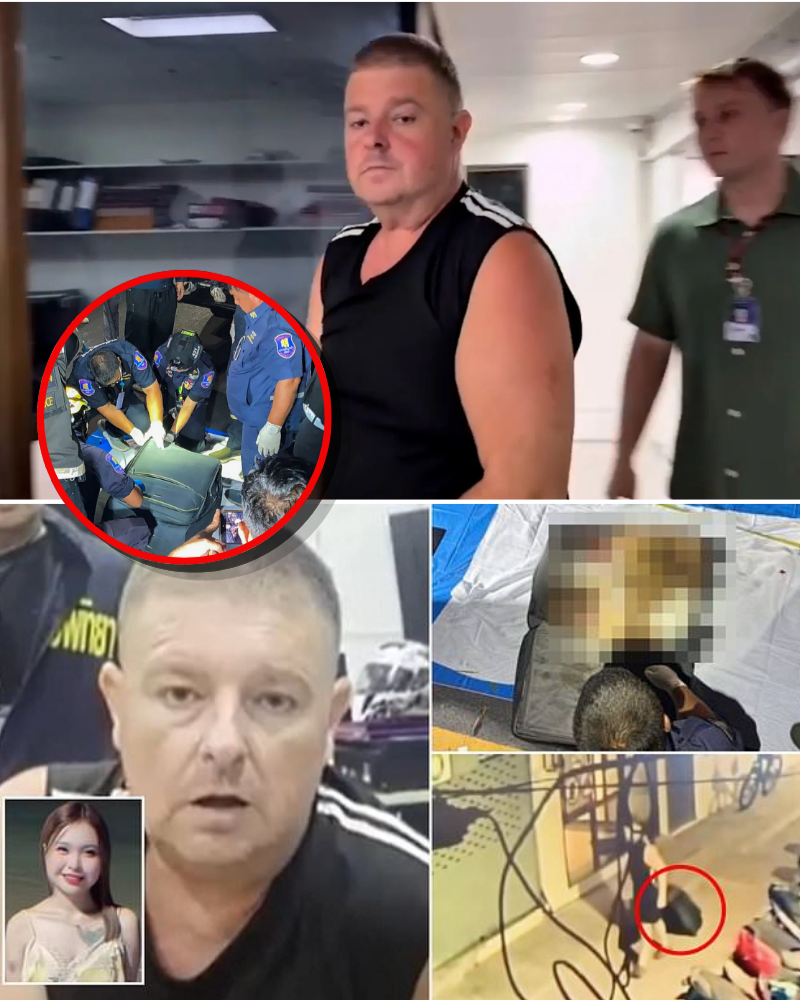
The 46-year-old suspect remains in custody in Thailand after being charged in connection with the death of a 17-year-old girl whose body was discovered concealed inside a suitcase in Pattaya. Thai prosecutors have alleged that the teenager was killed before her body was transported from a hotel room. The suspect has denied intentionally causing the victim’s death, and the case has not yet been determined by the courts.
As the investigation continues, media reports in Australia have prompted several people who previously lived near the accused to speak publicly about their experiences.
Some former neighbors described the man as largely isolated and said he rarely interacted with others in the neighborhood. According to those accounts, he often kept to himself and was not considered particularly social by nearby residents.
Several neighbors also alleged that they had occasionally seen him displaying firearms while living in the area. Those claims have been reported publicly but have not been identified by investigators as evidence connected to the homicide case in Thailand.
Authorities in either Australia or Thailand have not alleged that any firearms were involved in the teenager’s death.
Friends and acquaintances have likewise described the suspect as someone who appeared to spend much of his time alone.
Some individuals interviewed by local media characterized him as a loner who seldom discussed personal relationships. Those descriptions reflect the opinions of people who knew him and should not be interpreted as evidence relating to the criminal charges.
The investigation itself remains centered on events that allegedly occurred in Pattaya.
According to Thai police, surveillance cameras recorded the suspect entering a hotel with the teenage victim before later capturing him leaving the building carrying a large black suitcase.
Investigators say forensic evidence, digital records, witness interviews, and CCTV footage form the foundation of the prosecution’s case.
Authorities have stated that the victim’s body was later recovered after investigators traced movements captured on surveillance cameras.
Police continue analyzing forensic evidence while prosecutors prepare the case for trial.
During police interviews, the suspect reportedly claimed that the teenager’s death was not intentional and presented his own account of what occurred inside the hotel room.
Investigators have emphasized that those statements are being assessed alongside forensic findings and other evidence and have not been accepted as fact by the authorities.
The victim’s family has since traveled to Thailand to begin arrangements to return their daughter’s remains home.
Relatives have publicly rejected the suspect’s explanation of events and have called for a thorough judicial process. They have asked authorities to ensure that every aspect of the investigation is carefully examined before the case proceeds to trial.
Under Thai law, murder is a serious criminal offense carrying severe penalties upon conviction. Depending on the specific charges, evidence presented, and judicial findings, punishments may include lengthy imprisonment, life imprisonment, or, in certain circumstances under Thai law, the death penalty. Any sentence would be determined only after the completion of court proceedings.
Legal experts note that, despite the seriousness of the allegations, the suspect remains presumed innocent unless and until proven guilty in court.
The case has attracted international attention because it involves an Australian citizen prosecuted in Thailand and because of the disturbing circumstances alleged by investigators.
Authorities continue urging the public to distinguish between verified evidence released through official channels and personal recollections offered by acquaintances or neighbors.
As the investigation moves toward the next stage of the judicial process, prosecutors are expected to rely on forensic evidence, surveillance footage, expert testimony, and witness statements to present their case.
The court will ultimately determine the facts surrounding the teenager’s death and decide whether the prosecution has proven the charges beyond a reasonable doubt under Thai law.