In the ever-evolving landscape of television, few series manage to capture the hearts of audiences across generations with such effortless grace as All Creatures Great and Small. As we step into 2026, fans of this beloved period drama have reason to celebrate: the show has been renewed for not one, but two additional seasons—seasons 7 and 8. The announcement, made in November 2025 by PBS Masterpiece, comes on the heels of the successful run of previous installments and just ahead of the U.S. premiere of season 6 on January 11, 2026. This confirmation solidifies the series’ status as a modern classic, blending heartfelt storytelling, humor, and the stunning beauty of rural England. With production set to continue in the picturesque Yorkshire Dales, the veterinary team at Skeldale House is poised to deliver more tales of animal antics, human resilience, and the simple joys of countryside life.
The roots of All Creatures Great and Small trace back to the semi-autobiographical books written by Alf Wight under the pseudonym James Herriot. Published starting in the 1970s, these stories chronicled Wight’s experiences as a young veterinarian in the Yorkshire Dales during the 1930s and 1940s. The books painted a vivid picture of rural veterinary practice, where treating animals often intertwined with navigating the quirks of their owners—stubborn farmers, eccentric aristocrats, and tight-knit communities. The original BBC adaptation, which aired from 1978 to 1990, became a staple of British television, starring Robert Hardy as the irascible Siegfried Farnon and Christopher Timothy as James Herriot. It captured the essence of Herriot’s world with warmth and authenticity, drawing millions of viewers.
Fast-forward to 2020, and Channel 5 in the UK, in partnership with PBS Masterpiece in the US, breathed new life into the tales with a fresh reboot. Created by Ben Vanstone and produced by Playground Entertainment, this version stays true to the source material while introducing modern sensibilities. Set against the backdrop of the looming World War II and its aftermath, the series explores themes of love, loss, community, and the unbreakable bond between humans and animals. It begins in the late 1930s, following James Herriot’s arrival in the fictional village of Darrowby, where he joins the veterinary practice run by the unpredictable Siegfried Farnon. Over the seasons, the narrative evolves, incorporating historical events like the war, which add depth and poignancy to the characters’ journeys.
At the heart of the series is its exceptional cast, who bring Herriot’s world to life with nuance and charm. Nicholas Ralph stars as James Herriot, the earnest Scottish vet fresh from Glasgow Veterinary College. Ralph, in his breakout role, embodies James’s wide-eyed enthusiasm and growing confidence, from bungled farm calls to tender moments of triumph. Samuel West plays Siegfried Farnon, the practice’s owner—a brilliant but eccentric surgeon with a sharp tongue and a hidden vulnerability. West’s portrayal adds layers to Siegfried, revealing his past traumas and unwavering dedication to his work.
Anna Madeley shines as Audrey Hall, the no-nonsense housekeeper at Skeldale House, who keeps the household running with quiet strength and wisdom. Rachel Shenton portrays Helen Alderson (later Herriot), a spirited farmer’s daughter who becomes James’s love interest and eventual wife. Shenton’s Helen is independent and resilient, reflecting the evolving roles of women during the era. Callum Woodhouse returns as Tristan Farnon, Siegfried’s mischievous younger brother, whose antics provide much of the show’s comic relief. After a brief absence during the war years, Tristan’s comeback in season 5 brings back the brotherly banter that fans adore.
Supporting characters enrich the ensemble: Patricia Hodge as the flamboyant Mrs. Pumphrey, owner of the pampered Pekingese Tricki Woo; Tony Pitts as Richard Alderson, Helen’s pragmatic father; and Imogen Clawson as Jenny Alderson, Helen’s ambitious sister. Newer additions, like James Anthony-Rose as the studious Richard Carmody in seasons 4 and 5, and Gaia Wise as Charlotte Beauvoir in season 6, introduce fresh dynamics. The animals themselves are stars, from cows and horses to dogs and cats, handled with care by expert trainers to ensure authenticity.

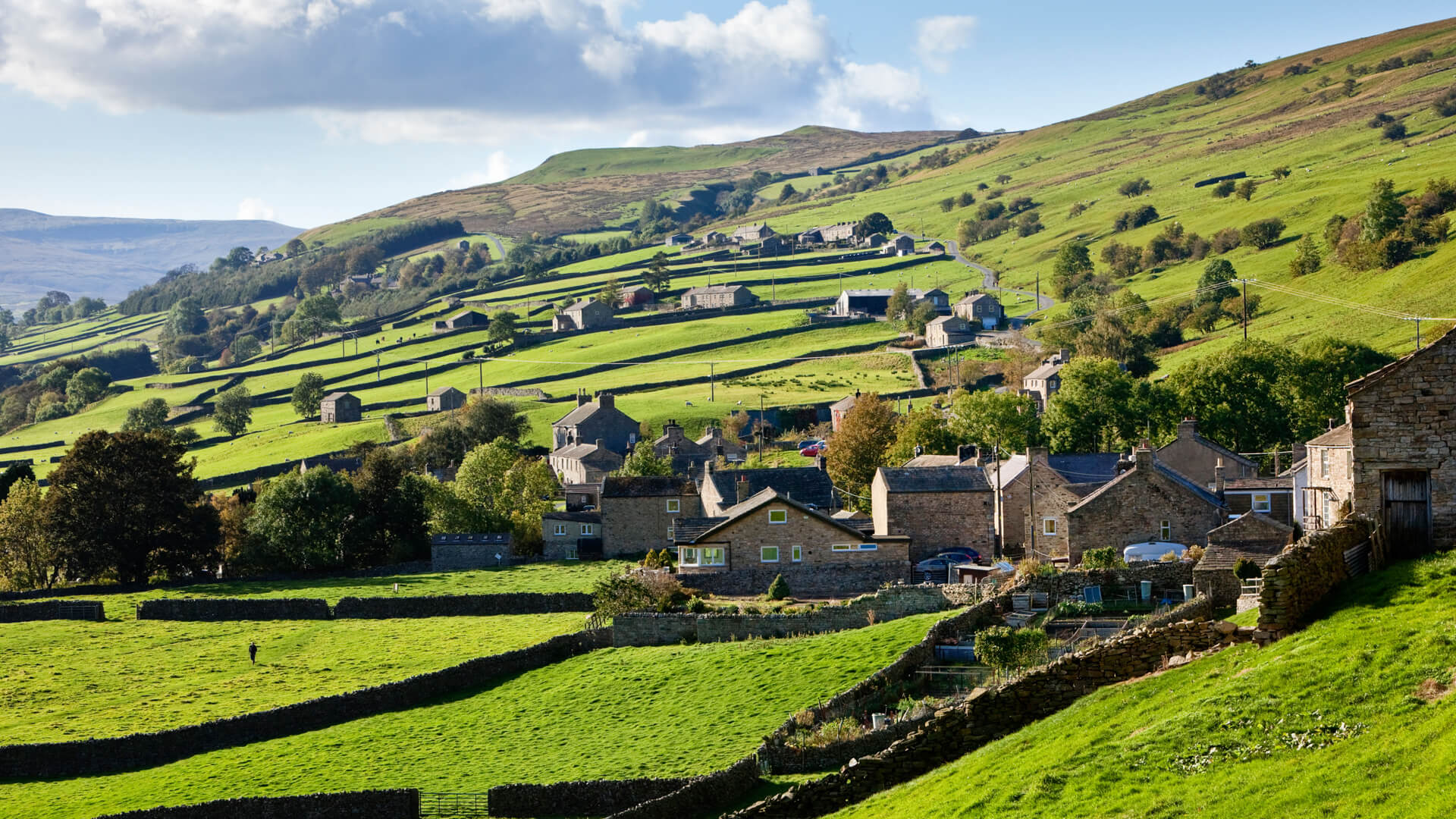
Production for All Creatures Great and Small is a labor of love, filmed primarily in the Yorkshire Dales National Park. The village of Grassington stands in for Darrowby, its quaint stone buildings and bustling square transformed into a 1930s-1940s setting. Iconic locations include Broughton Hall as Mrs. Pumphrey’s residence, the Keighley & Worth Valley Railway for steam train scenes, and natural spots like Janet’s Foss waterfall for idyllic countryside moments. Filming began in 2019 for the first season, coinciding with the 50th anniversary of Herriot’s first book, but faced delays due to the COVID-19 pandemic. Despite challenges, the team captured the region’s breathtaking landscapes—rolling hills, lush valleys, and dramatic skies—that serve as a character in their own right.
The production emphasizes realism in veterinary procedures, with advisors like Andy Barrett guiding the actors. Nicholas Ralph trained extensively, learning to handle animals and perform mock surgeries using prosthetics. Changes from the books include expanding Mrs. Hall’s backstory and portraying Siegfried as a widower, adding emotional depth. Composer Alexandra Harwood’s score complements the visuals, evoking nostalgia and warmth. Each season consists of six episodes plus a Christmas special, allowing for self-contained stories while advancing overarching arcs.
Season by season, the series has built a compelling narrative. Season 1 introduces James to Darrowby, his budding romance with Helen, and the eccentricities of the Farnon brothers. It culminates in a heartfelt Christmas special where personal revelations abound. Season 2 delves into James and Helen’s engagement amid community events like cricket matches and fairs, blending humor with hints of impending war. By season 3, set in 1939, war looms large: James marries Helen, Tristan qualifies as a vet, and bovine TB testing creates moral dilemmas.
Season 4 shifts to 1940, with Tristan enlisting and Carmody joining the practice. Helen’s pregnancy adds tenderness, while wartime shortages test the community. Season 5, airing in 2024, explores 1941: James briefly serves in the RAF but returns due to health issues, dealing with brucellosis and guilt. Tristan’s surprise homecoming reignites sibling rivalry, and the arrival of baby Jimmy Herriot brings joy amid hardship. Season 6, which aired in the UK in 2025 and premieres in the US soon, moves to post-war 1945. It focuses on readjustment—Siegfried’s erratic behavior, Tristan’s emotional scars, and new beginnings like Jenny’s aspirations and romantic pursuits.
The show’s reception has been overwhelmingly positive, earning an 8.6/10 on IMDb from over a million ratings. Critics praise its “soothing warmth, humor, and sense of community,” as noted in Variety, likening it to a cozy cup of tea. The Times (UK) calls it a beautiful successor to the original, while user reviews highlight its escapism: “Pure family entertainment set in a beautiful part of England.” Though viewership has dipped slightly from season 1’s 5 million average in the UK to around 3.3 million for season 5, it remains a hit, especially on streaming platforms. The series has garnered nominations, including a BAFTA for Best Drama Series, and wins for its heartfelt portrayal of rural life.
What makes All Creatures Great and Small endure? In a world of high-stakes dramas, it offers gentle respite—stories where kindness prevails, mistakes are forgiven, and nature’s cycles remind us of life’s continuity. It tackles serious topics like war’s impact, animal welfare, and personal growth without losing its light touch. The chemistry among the cast, stunning cinematography, and faithful adaptation resonate with viewers seeking comfort.
With seasons 7 and 8 on the horizon, production resuming in Yorkshire, and the main cast returning, the future looks bright for Skeldale House. Expect more adventures: new veterinary challenges, evolving relationships, and perhaps explorations into the late 1940s. As James Herriot once wrote, “If having a soul means being able to feel love and loyalty and gratitude, then animals are better off than a lot of humans.” This series reminds us of that truth, episode after episode, making it one of the most cherished British dramas of recent years.