Midnight turned into dawn before viewers knew it. Netflix’s latest docuseries drags you into the relentless, heartbreaking search for a 4-year-old’s killer. With dead ends, shocking revelations, and impossible setbacks, the series plunges audiences into the emotional chaos of a family refusing to give up when the system fails. Every episode is a gut-punch, leaving viewers sleepless, haunted, and utterly consumed by the hunt. But Who Killed Little Gregory? isn’t just another binge-worthy true-crime fix—it’s a raw, unflinching descent into the darkest corners of human jealousy, grief, and betrayal, set against the misty rivers and tight-knit villages of rural France. Released in 2019 but feeling eerily timeless in its portrayal of unresolved agony, this five-part French miniseries (with English subtitles that pull no punches) transforms a 40-year-old cold case into a modern obsession. By the time the credits roll on that final episode, you won’t just want justice for little Grégory Villemin—you’ll crave it like air, your heart shredded by the what-ifs that echo long after the screen goes black.
Imagine a picture-perfect autumn afternoon in 1984, the kind where golden leaves crunch underfoot and the air carries the faint chill of impending winter. In the quiet village of Lépanges-sur-Vologne, nestled in the Vosges mountains of eastern France, Jean-Marie Villemin is the man everyone envies. At 29, he’s climbed from factory floor grunt to foreman, bought a modest home for his young family, and dotes on his cherubic 4-year-old son, Grégory, whose gap-toothed smile lights up the gray skies. His wife, Christine, 24 and radiant, juggles motherhood with quiet grace. They’re the postcard of working-class triumph in a region scarred by industrial decline and old resentments. But beneath the surface, shadows lurk. For three long years, the Villemins have been stalked by an invisible tormentor—a voice on the phone, a scrawled letter in the mailbox—known only as “Le Corbeau,” The Raven. The calls come at odd hours, whispers laced with venom: “You think you’re better than us now?” The letters, typed on a machine that mocks their privacy, detail intimate humiliations, signed with a flourish that chills the blood. Jean-Marie suspects jealousy from his own bloodline—uncles, cousins, aunts who simmer in the stagnation he’s escaped. The Raven’s taunts escalate, turning personal, probing the family’s every vulnerability. It’s psychological warfare, slow-drip poison that erodes trust and sleep. Viewers, we’re told in the series’ opening frames, are about to step into this web, where every thread leads to heartbreak.
Episode 1, “The Raven’s Shadow,” hooks you like a fish on a line, rewinding to those pre-murder years with archival audio of the calls—distorted, disembodied voices that slither through your speakers. Directors Jean-Xavier de Lestrade and André Weichaku (of The Staircase fame) don’t rush; they marinate you in the dread. We see grainy home videos of Grégory at play, his laughter a dagger to the gut because we know what’s coming. The harassment isn’t abstract—it’s intimate, a violation that foreshadows the ultimate theft. Jean-Marie, interviewed decades later with eyes still hollowed by loss, recounts the paranoia: locking doors that were never locked before, scanning faces at family gatherings for tells. Christine, poised but fragile in her recollections, speaks of the fear that seeped into bedtime stories. It’s here that the series reveals its addictive alchemy—blending meticulous reconstruction with raw, present-day confessions. No actors, no dramatizations; just the survivors, their voices cracking under the weight of memory. By the episode’s end, as the Raven’s letters pile up like indictments, you’re not watching—you’re trapped in the Villemin home, pulse racing, whispering to the screen, Who are you?
Then, the unimaginable shatters the fragile peace. October 16, 1984: Christine steps inside for a moment to fetch a sweater for her sister-in-law. Grégory, playing in the fenced yard with his toys, vanishes without a sound. Hours tick by in a fog of panic—neighbors searched, roads scoured, the river dismissed as too shallow for real danger. Jean-Marie’s world implodes; he’s a father reduced to animal desperation, clawing at the underbrush. Dawn breaks on the 17th, and a fisherman’s line snags horror: Grégory’s tiny body, hands and feet bound with twine from the family’s own kitchen drawer, face-down in the icy Vologne River. Drowned, the autopsy confirms, but not before a struggle that leaves his lungs burning with river water. A letter arrives that same day, postmarked from the family’s village: “I hope you die of grief, your money won’t bring him back. I’ve taken the boss’s son so you worry like I worried.” The Raven has won its cruelest victory. The series captures this pivot with devastating precision—archival footage of divers pulling the child from the water, the parents’ silent scream at the morgue. It’s a scene that lodges in your throat, forcing tears you didn’t know you had. Parents everywhere will clutch their own children tighter after this; the docuseries doesn’t warn you, it weaponizes the universality of that terror.
What follows is a maelstrom of grief and fury that Episode 2, “Funeral for a Child,” lays bare like an autopsy. The Villemin funeral becomes a national circus, paparazzi swarming the church like vultures, flashbulbs popping over tiny coffins. Front pages scream headlines that commodify agony: close-ups of Christine’s tear-streaked face, Jean-Marie’s fists clenched in impotent rage. France, still reeling from its own social fractures, latches onto the case as a mirror—class envy, rural isolation, the fragility of justice. But within the family, fissures crack wide open. Suspicions ignite like dry tinder. Bernard Laroche, Jean-Marie’s unstable cousin and Grégory’s uncle-by-marriage, emerges as the prime target. He’s the one who last saw the boy playing, the one with a history of petty grudges. Whispers turn to accusations; the Raven’s voice, analyzed by experts, sounds eerily like his. Police, under pressure from a media frenzy, arrest him swiftly. Viewers feel the vertigo here—the rush to judgment, the way desperation warps reason. Interviews with villagers paint a portrait of a clan fractured by old wounds: Marcel Villemin, Jean-Marie’s domineering uncle, who hoarded resentments like heirlooms; aunts who snipe about “upstarts” behind closed doors. It’s Shakespearean in its venom—King Lear meets The Godfather, but with a child’s blood on the stage. The episode ends on a revelation that twists the knife: fibers from Laroche’s car match those on Grégory’s clothes. Case closed? Hardly. The setbacks begin, and with them, the addiction sets in. You can’t look away because every dead end promises a sharper turn.
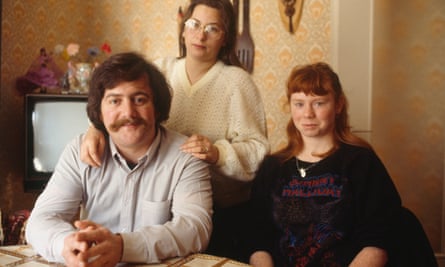
Episode 3, “The Father’s Vengeance,” plunges into the abyss of vigilante justice, a sequence so visceral it’ll haunt your dreams. Consumed by rage, Jean-Marie takes matters into his own hands. On a snowy November night, he lures Laroche to a remote spot and shoots him point-blank—three bullets to the head, execution-style. “He killed my son,” Jean-Marie confesses later, his voice a hollow echo of paternal fury. The courtroom spares him the full weight of murder—five years, served just three—citing the unbearable provocation. But the cost? Irreversible. The family splinters further, alliances shifting like sand. Christine, now a widow in all but name, faces the unimaginable: accusation. Episode 4, “The Mother on Trial,” exposes the investigation’s ugliest underbelly, a toxic brew of incompetence and misogyny that leaves you seething. Despite alibis and exonerating evidence, prosecutors zero in on her—interrogating her for 11 days straight, stripping her dignity with questions about her sex life, her “provocative” sweaters, even the size of her breasts. “Was she aroused that day?” one investigator muses on camera, his casual sexism a slap across time. Handwriting “experts” declare her the Raven, ignoring contradictions. The trial becomes a spectacle, her grief dissected like evidence: too composed to be innocent, too emotional to be credible. Acquitted after months of hell, Christine emerges scarred, her interviews laced with quiet defiance. “They broke me to build their story,” she says, and in that moment, the series indicts not just the killer, but a system that devours the vulnerable. It’s heart-shattering, this portrayal of a mother gaslit into villainy, her son’s memory weaponized against her. Viewers, especially women, will feel the echo of every unjust scrutiny, the rage bubbling like the Vologne itself.
Yet Who Killed Little Gregory? refuses to let despair dominate; Episode 5, “Echoes of the Raven,” hurtles forward through decades of dead ends and desperate reinvestigations. The 1990s bring new handwriting analyses that clear Christine but finger Marcel and his wife, Jacqueline—relatives who allegedly masterminded the harassment out of spite. Arrests follow, then releases; defamation suits fly like confetti. The 2000s drag on in limbo, the case a national scar. Then, 2017: DNA on the rope matches none of the suspects, but traces point to… a relative’s sewing kit? Three arrests—again, family—end in freedom, the evidence too contaminated, too contested. As of 2024, the file gathers dust, but Jean-Marie and Christine soldier on, their second son a bittersweet reminder of life’s persistence. The finale weaves these threads with poignant grace—side-by-side interviews of graying suspects denying to the grave, the Raven’s final letter read aloud like a curse. No resolution, just the hollow ring of unanswered questions. It’s this unresolved ache that makes the series so addictive: each episode peels back layers, only to reveal more rot, mirroring the family’s endless vigil.

What elevates Who Killed Little Gregory? beyond the true-crime glut is its unflinching intimacy. De Lestrade’s camera lingers not on gore, but on faces—wrinkled by time, etched with unspoken accusations. Archival clips pulse with authenticity: the Raven’s calls replayed in eerie silence, funeral crowds parting like a biblical sea. The score, a sparse drone of strings and whispers, amplifies the isolation, turning Vosges forests into labyrinths of the soul. At 50 minutes per episode, it’s paced like a thriller—cliffhangers that aren’t gimmicks, but genuine gasps: a suspect’s alibi crumbles, a letter’s postmark betrays proximity. The emotional chaos? Overwhelming. You’ll rage at the bungled forensics, weep for the parents’ stolen normalcy, and—darkest of all—find yourself theorizing alongside them, sifting clues like a detective gone rogue. It’s disturbing in its humanity: how jealousy festers into filicide, how media turns tragedy to tabloid fodder, how justice, when it falters, leaves voids that swallow generations.
In a streaming era bloated with serial-killer schlock, this docuseries stands as a beacon of devastating authenticity. It doesn’t glamorize the hunt; it humanizes the hunted, forcing us to confront the monsters in our own backyards—familial grudges that bloom into something unspeakable. By dawn’s light, after that final episode, you’ll stare at the ceiling, Grégory’s innocent eyes burned into your mind. Netflix has struck gold again, unearthing a saga so shattering it redefines obsession. Watch it if you dare—but brace yourself. The Raven’s shadow lingers, and once it finds you, there’s no escaping the call.