In the dim, unforgiving light of a Liverpool police cell, a man lay alone on the cold floor, his life ebbing away from a lethal cocktail of heroin and cocaine coursing through his veins. James Riley, aged 44, had been arrested just hours earlier on suspicion of drug offences. When a police officer remarked, “You’re in the shit now,” Riley’s quiet response—”Not half”—would prove chillingly prophetic. By the following evening, on March 15, 2023, he was pronounced dead at the Royal Liverpool University Hospital. This was no ordinary custody death; it was the final chapter in a life scarred by one of Britain’s most infamous crimes—the murder of toddler James Bulger.
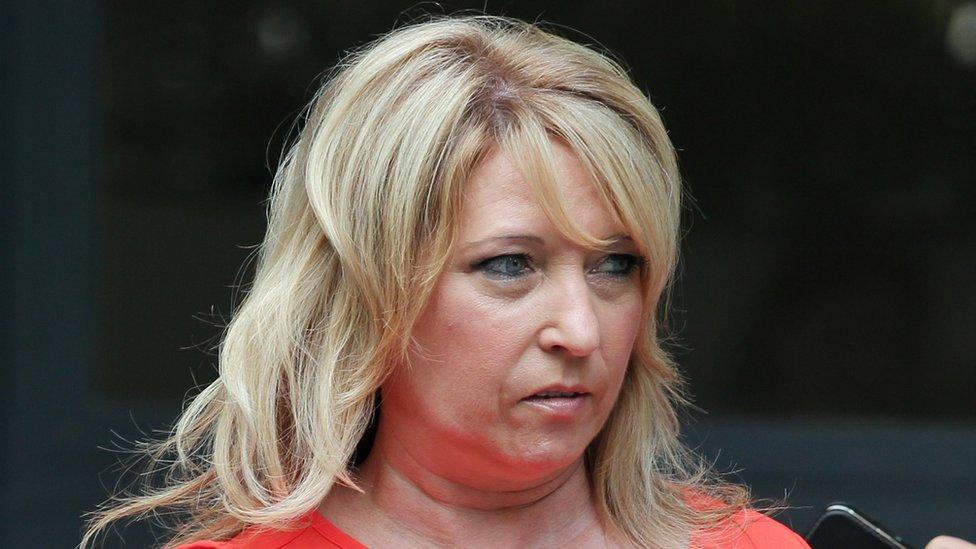
More than three decades earlier, as a 14-year-old boy playing near a railway line in Walton, Liverpool, James Riley and his brother Terence stumbled upon a horror that would haunt them forever: the mutilated body of two-year-old James Bulger. The discovery shattered Riley’s young life, propelling him into a spiral of addiction, crime, and untreated trauma. His mother, Julie Riley, has long insisted that her son was “forgotten” after that fateful day in February 1993, denied the counseling and support he desperately needed. At a recent inquest in May 2025, Julie broke down as she described her “funny, cheeky” boy who was “always smiling.” “I talk to his photo every night,” she said, her voice trembling. “I miss him so much.”
This story is one that hurts to read—a poignant reminder of how unresolved pain can fester over years, claiming lives long after the original tragedy. James Riley deserved better. His death underscores the hidden victims of high-profile crimes: the witnesses, the discoverers, the innocents caught in the aftermath.

shutterstock.com

thetimes.com
.jpg)
nbcnews.com
The Crime That Shocked a Nation: The Murder of James Bulger
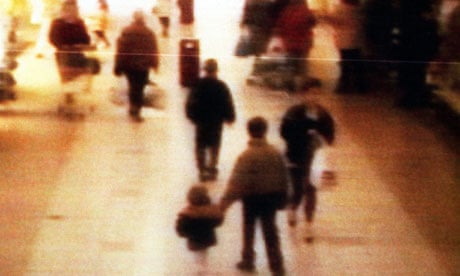
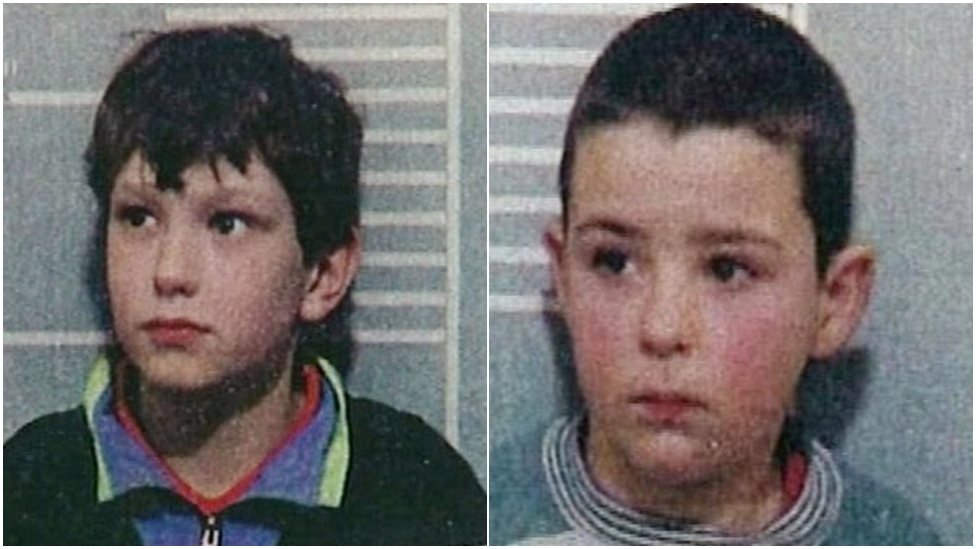
To understand James Riley’s tragedy, we must revisit the events of February 12, 1993. Two-year-old James Bulger was shopping with his mother, Denise Fergus (then Denise Bulger), at the New Strand Shopping Centre in Bootle, Merseyside. In a momentary distraction at a butcher’s shop, Denise let go of her son’s hand. Grainy CCTV footage captured the unimaginable: two 10-year-old boys, Jon Venables and Robert Thompson, leading the trusting toddler away by the hand.
The boys, skipping school that day, wandered the streets with James for over two miles, subjecting him to unimaginable cruelty along the way. Witnesses saw them kicking and hitting the child, but mistook it for rough play. Eventually, they took him to a secluded railway line near Walton. There, they tortured him—battering him with bricks, stones, and an iron bar, inflicting 42 injuries. They placed his body on the tracks, hoping a train would disguise the murder as an accident. A passing train severed the body in two.
Two days later, on February 14, four teenagers—including James Riley and his brother Terence—discovered the remains while playing near the tracks. The sight was beyond comprehension: a small child’s body, brutally assaulted and dismembered. The nation reeled when police revealed the killers were children themselves—the youngest convicted murderers in modern British history.
Venables and Thompson were tried as adults in a highly publicized trial, convicted, and sentenced to detention at Her Majesty’s pleasure. Released in 2001 with new identities, Venables has since been recalled to prison multiple times for child pornography offenses. The case sparked furious debates on youth justice, evil in children, and societal failures.
theguardian.com

bbc.co.uk
bbc.com
But amid the outrage focused on the killers and the victim’s family, little attention was paid to the boys who found the body. James Riley, just 14, was thrust into the epicenter of a national nightmare without any psychological support.
A Boy Broken: The Immediate Aftermath
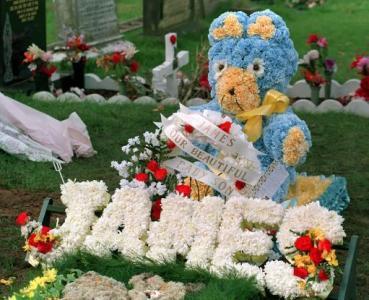
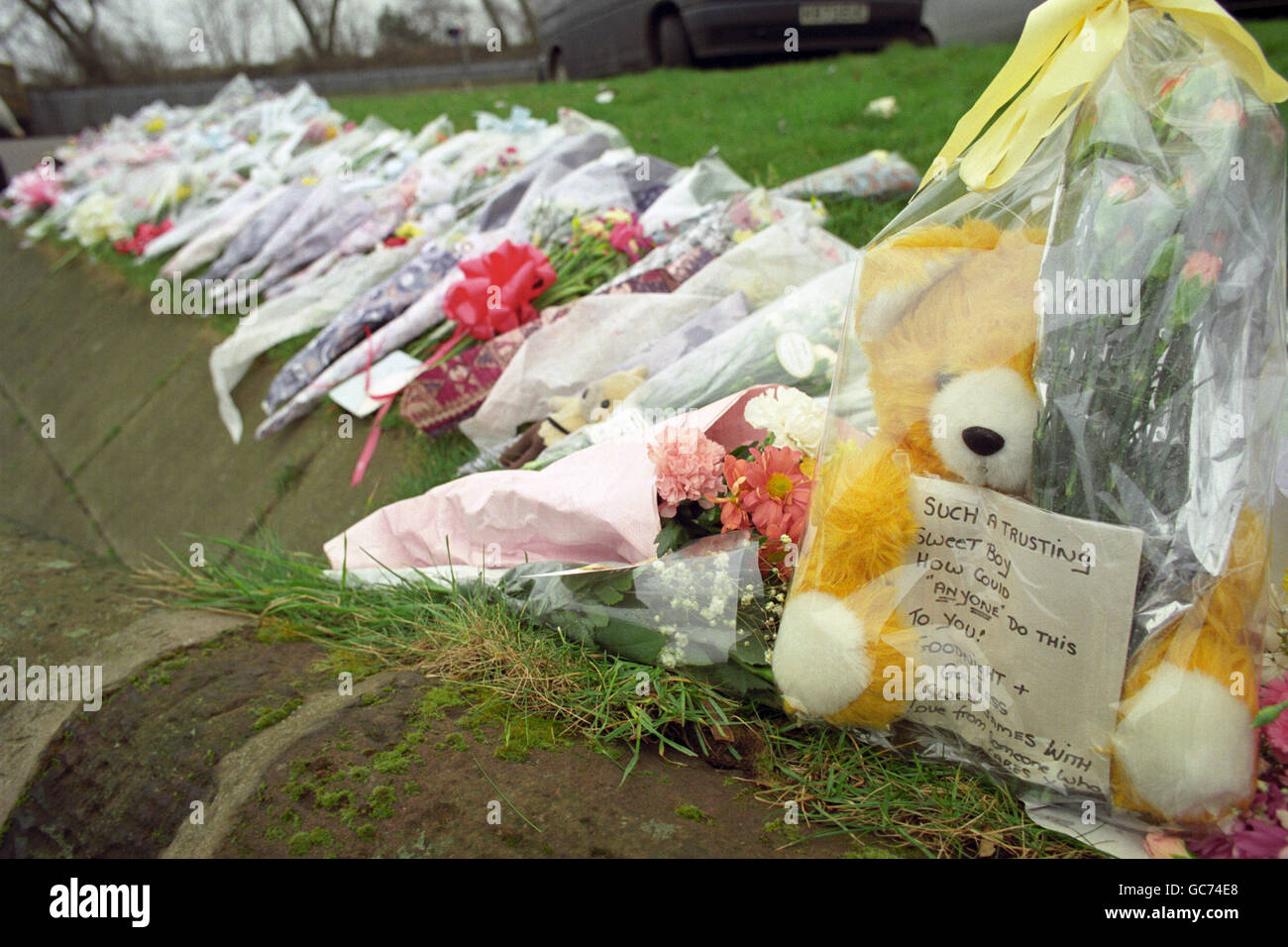
Imagine being 14 and stumbling upon such a scene. The railway embankment in Walton became a place of unspeakable dread. Floral tributes soon piled up, transforming the grim site into a makeshift memorial. But for Riley and his brother, there was no such solace.
Family members later revealed that James “changed totally” after the discovery. A cheerful, well-mannered boy became withdrawn and tormented. His grandmother noted in 2003 that neither grandson ever spoke of it. Instead, Riley turned to alcohol and drugs to numb the pain. By his late teens, he was experimenting with crack cocaine—a path that would define much of his adult life.
Experts in trauma recognize this pattern. Discovering a violent death, especially of a child, can cause severe post-traumatic stress disorder (PTSD), depression, and survivor guilt. Dr. Sarah Helps, a clinical psychologist specializing in childhood trauma, explains: “Witnessing or discovering extreme violence at a young age can rewire the brain’s stress response. Without intervention, individuals often self-medicate with substances, leading to addiction and criminal behavior as coping mechanisms.”
In Riley’s case, no counseling was offered by authorities. His mother Julie has repeatedly stated that Merseyside Police and social services “forgot” about him after initial statements. “He should have had support,” she told the inquest. “But he was left to face it alone.”
paimages.co.uk
facebook.com
alamy.com
Riley’s brother Terence echoed similar struggles, citing PTSD in court appearances for his own offenses. The Riley brothers became unwitting collateral damage in the Bulger saga—lives derailed by proximity to evil.
A Life of Struggle: Addiction, Crime, and Desperation
Over the years, James Riley amassed over 40 convictions, ranging from theft to drug-related offenses. He became a known addict, cycling in and out of the criminal justice system. Court defenses repeatedly highlighted the 1993 trauma as the root cause. In one hearing, his lawyer stated: “His problems can be traced back to when he was 14… That led him to try crack cocaine, and his problems spiraled.”
Riley’s life was marked by vulnerability. In 2021, he was found dumped on an Aberdeen street, half-naked and clutching a knife, after fleeing gang debt collectors. He had relocated temporarily but couldn’t escape his demons.
By March 2023, Riley was back in Liverpool, cycling through familiar streets shadowed by poverty and addiction. On March 14, police spotted him on a bicycle near Great Homer Street, suspecting drug dealing. Officer PC Hurd used his vehicle to block Riley’s path—a maneuver later scrutinized. Arrested around 9:45 PM, Riley was taken to St Anne Street Police Station.

policestationreps.com

liverpoolecho.co.uk
During booking, the officer’s casual remark about being “in the shit” elicited Riley’s resigned “Not half.” He appeared intoxicated, so he was placed on rest periods. Healthcare assessments noted substance influence but didn’t escalate to hospital transfer.
The Final Hours: A Death in Custody
Overnight and into March 15, Riley’s condition deteriorated. A post-mortem revealed he had swallowed packages of drugs—three wraps of heroin and crack cocaine—likely before arrest to conceal them. Known as “body packing,” this desperate act is common among dealers facing capture, but ruptures can prove fatal.
Around 5 PM, staff found him unresponsive on the cell floor. Resuscitation failed; he was pronounced dead at hospital. The inquest, concluding in May 2025, ruled death by cocaine and heroin toxicity. The jury found that swallowed drugs were the source, and while medical checks presented “missed opportunities,” they didn’t contribute to the outcome.
The Independent Office for Police Conduct investigated but cleared officers of misconduct. Yet questions linger: Could earlier hospital referral have saved him? Why no recognition of his vulnerability from past trauma?
A Mother’s Grief and a System’s Failure
Julie Riley attended the six-day inquest, preparing a heartfelt statement. She painted a picture of her son as a boy: “well-mannered and dressed lovely.” The trauma, she insisted, was the turning point. Denise Fergus, James Bulger’s mother, has campaigned tirelessly for justice in her son’s case, but the discoverers’ plight highlights broader oversights.
bbc.co.uk

shutterstock.com
Mental health experts decry the lack of support for secondary trauma victims. In high-profile cases, focus remains on primary victims and perpetrators, leaving witnesses adrift. UK custody deaths—over 100 since 2010, many drug-related—expose systemic gaps in vulnerable detainee care.
Riley’s story is a wake-up call. Addiction fueled by untreated PTSD is a silent epidemic. As substance misuse rises post-pandemic, with cocaine seizures at record highs, more lives hang in balance.
Rest Easy, James Riley: A Life That Deserved Healing
James Riley’s death closes a sorrowful loop from 1993. A boy who innocently found horror paid the ultimate price decades later. His mother’s nightly conversations with his photo speak to enduring love amid profound loss.
In a society quick to judge addicts and offenders, Riley’s tale urges compassion. Trauma doesn’t expire; it demands attention. He was funny, cheeky, always smiling—until he wasn’t.
Another life lost, not to violence, but to pain that never healed. Rest easy, James. You deserved better.